

An elderly fall vest is a wearable garment made to add padding, visibility, or alert features for someone who may be unsteady during daily life. Some people search for a vest, while others mean a jacket, padded clothing, or a wearable alert device that can be worn over regular clothes.
The right choice depends on the person, their routine, and what kind of support they need. A vest or jacket may help someone feel more secure, but it should be part of a wider plan that includes safe footwear, clear walkways, good lighting, and advice from a doctor, physical therapist, or occupational therapist.
What Is an Elderly Fall Vest?
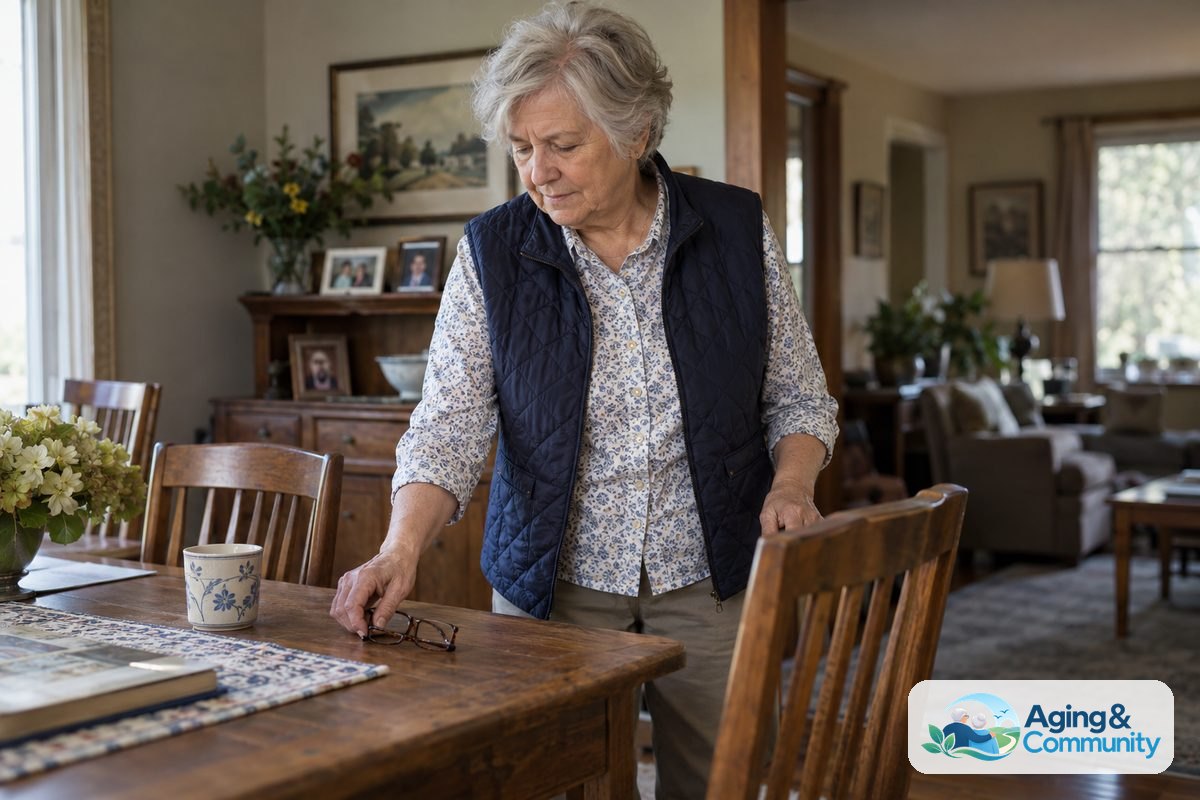
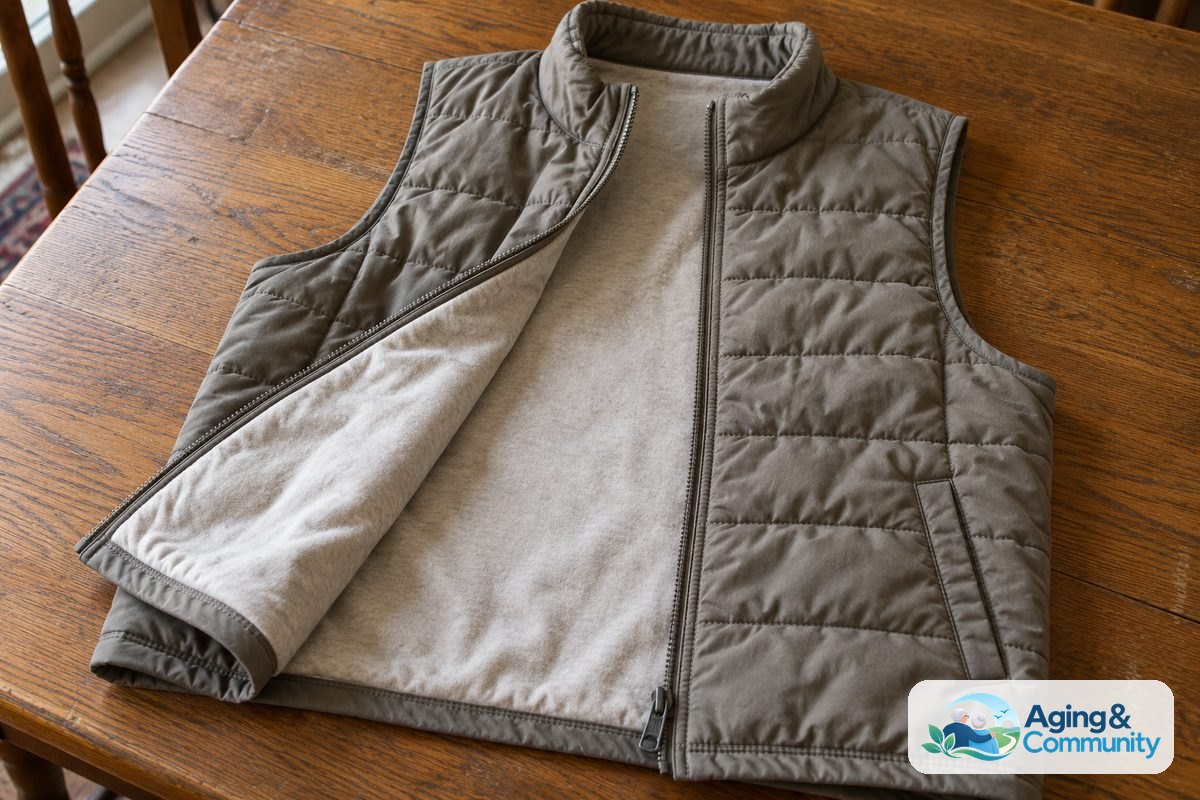
An elderly fall vest is usually a soft garment worn over clothing. It may include light padding around the chest, ribs, back, shoulders, or hips. Some designs look like a quilted vest, while others look more like protective sports gear.
People use the term in different ways. One family may mean a padded vest that softens bumps. Another may mean a fall alert device worn on the body. A third may be looking for an elderly fall jacket that gives more coverage in cool weather.
Most fall vests are not medical devices unless the maker clearly states that they are. They do not stop all falls, and they do not replace care, supervision, or a safety plan. They are better understood as one possible layer of support.
Common reasons families look for one include:
- A loved one feels less steady while walking indoors
- There have been recent slips, trips, or near falls
- The person wants padding but does not want bulky gear
- A caregiver wants clothing that is easier to see and adjust
- The family is comparing wearable safety tools
If falls are happening more often, it is wise to ask a doctor or physical therapist about possible causes. Medication side effects, vision changes, balance changes, pain, and home hazards can all play a role.
How a Senior Fall Vest Differs From a Fall Alert Device
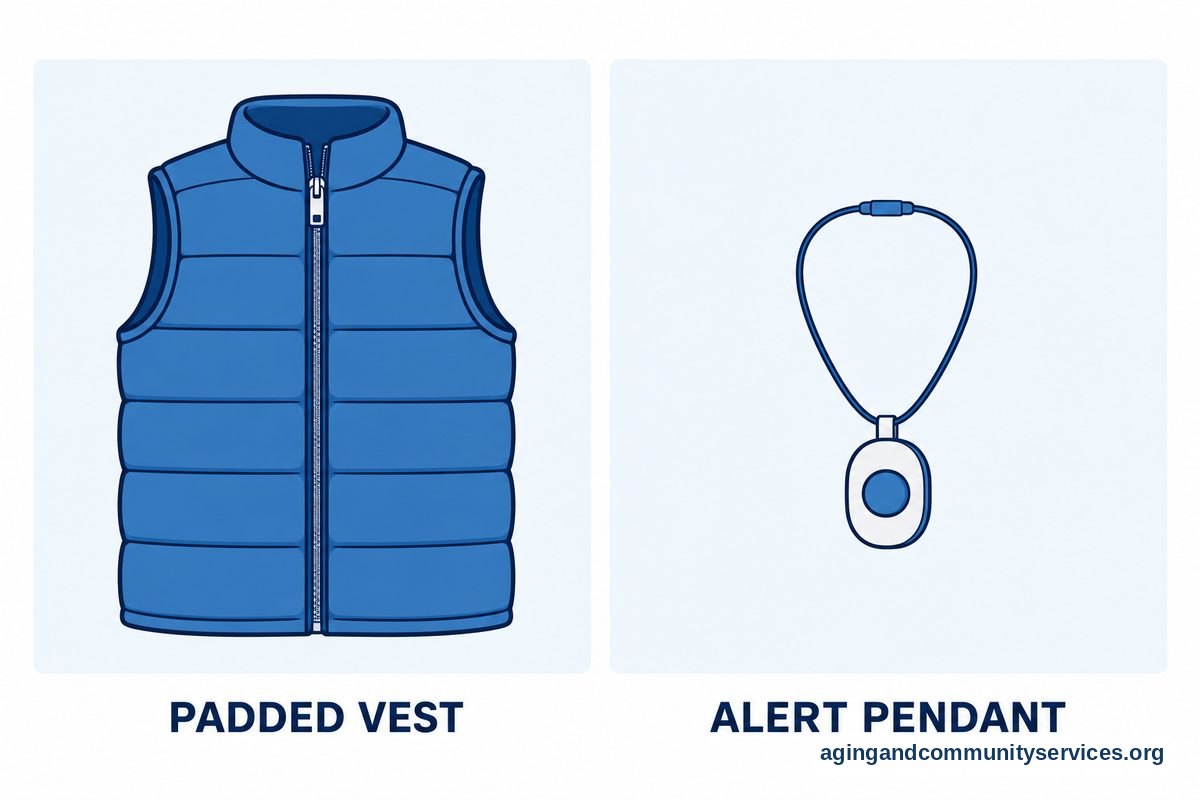
A senior fall vest and a fall alert device are not the same thing. A vest is mainly clothing. A fall alert device is usually a small electronic tool that may detect a fall or let the wearer press a button for help.
Some people wear both. For example, a person may wear a padded vest during the day and also use elderly fall alert devices for calling help if needed. The vest may add comfort or padding, while the alert device focuses on contacting someone.
Here is a simple way to compare them:
| Item | Main Purpose | What to Check |
|---|---|---|
| Fall vest | Adds padding or visibility | Fit, comfort, coverage, wash care |
| Fall jacket | Adds padding with more warmth | Weight, sleeve movement, easy closure |
| Wearable alert | Helps call for assistance | Battery life, charging, button size, service area |
| Home sensor | Looks for activity changes in a room | Privacy, placement, alerts, setup needs |
Some families prefer watches because they look familiar and can be worn outside the home. If that sounds useful, compare watches with fall detection and ask whether the wearer will charge and wear one every day.
Other families prefer room based tools that do not have to be worn. In that case, ambient fall detection sensors may be worth comparing, especially for someone who often forgets wearable devices.
When an Elderly Fall Jacket May Make More Sense
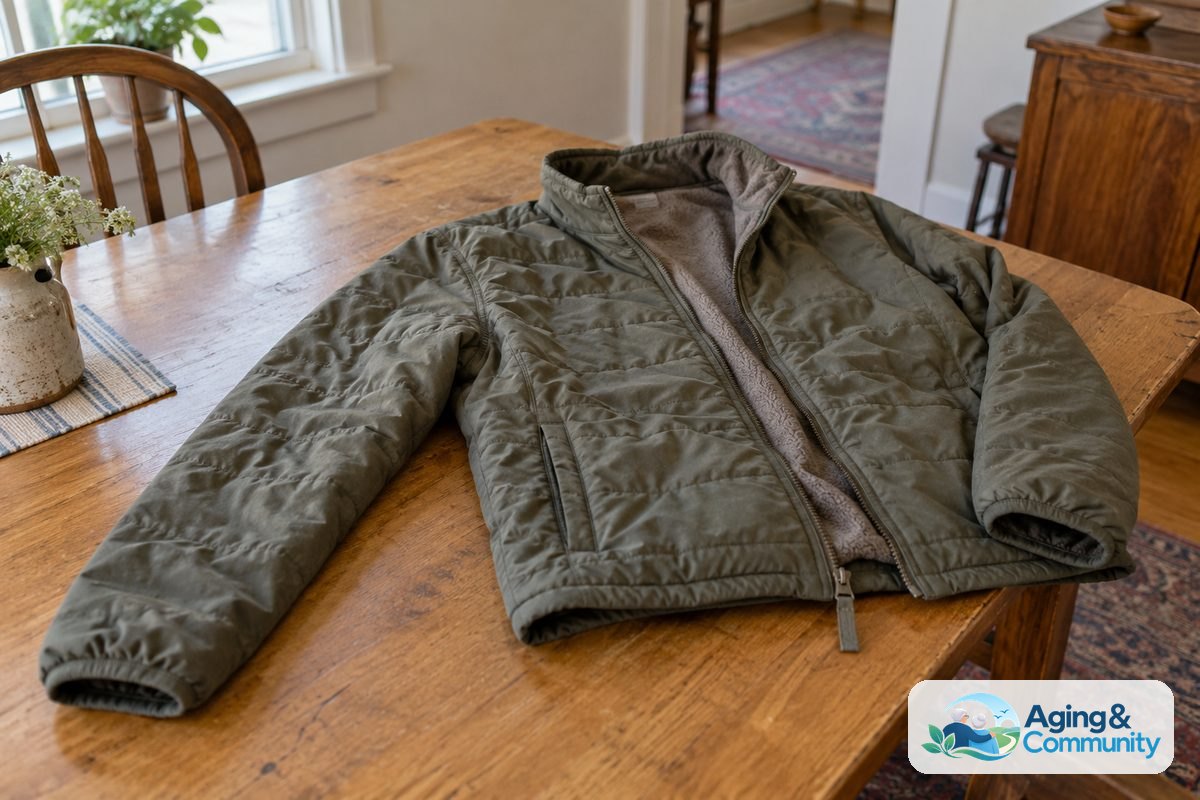
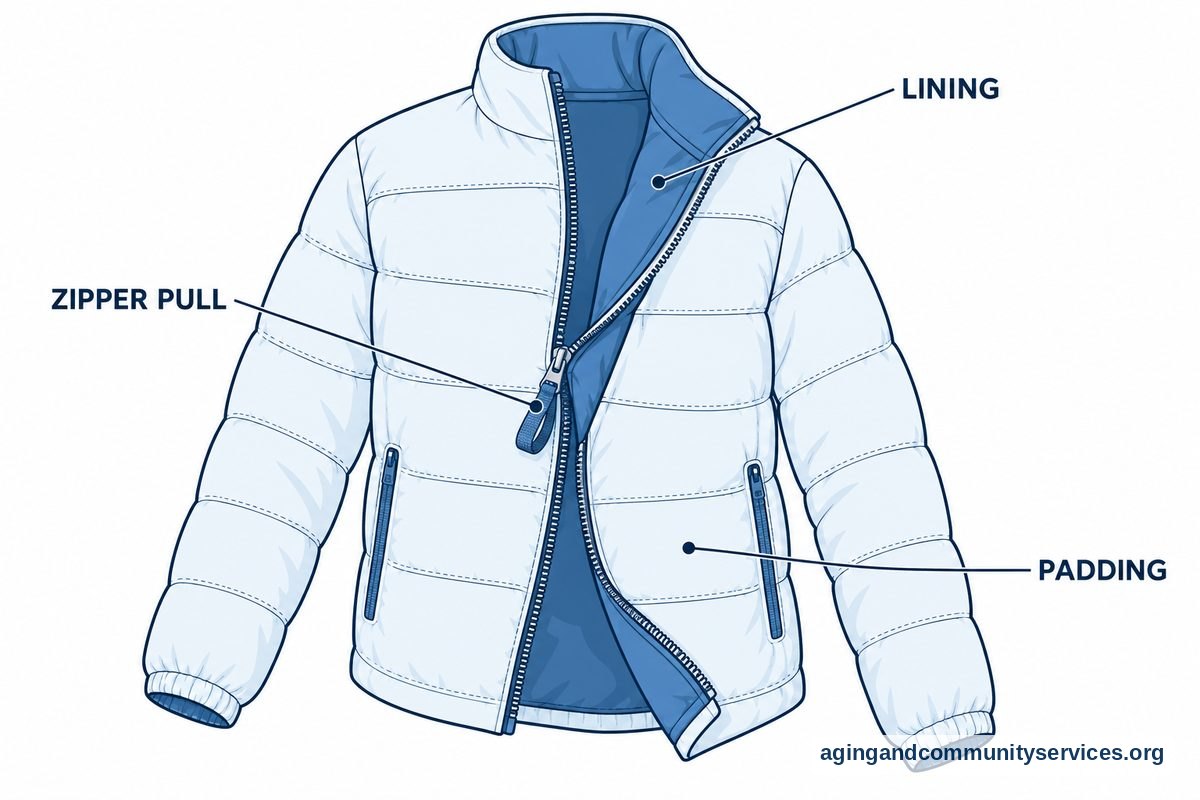
An elderly fall jacket is similar to a vest, but it includes sleeves and often gives more warmth. It may be useful for someone who spends time in cooler rooms, on porches, or walking outside. A jacket can also feel more familiar than a safety vest, which may make it easier to wear.
The tradeoff is movement. Sleeves should not pull across the shoulders, bunch under the arms, or make it hard to reach a walker, cane, door handle, or chair arm. If the jacket is too bulky, it may create frustration or get left in the closet.
Look for simple features:
- Easy front closures, such as large snaps or a smooth zipper
- Soft fabric that does not scratch or overheat
- Padding that stays in place when the person sits
- A length that does not catch under the hips
- Pockets that do not add too much weight
- Colors that are easy for family members to see
A senior fall jacket may be most helpful when it fits the person’s habits. If someone dislikes layers or gets warm easily, a lighter vest may be more practical. If someone is cold much of the day, a jacket may be worn more often.
For anyone with shoulder pain, limited hand strength, or trouble dressing, ask an occupational therapist for ideas. They can suggest clothing features that make dressing easier and safer without making the person feel restricted.
How to Choose a Fall Prevention Jacket for Elderly Loved Ones
The phrase fall prevention jacket for elderly loved ones can be confusing because no jacket can remove fall risk. A better goal is to choose clothing that supports comfort, movement, and awareness while you also address the home and daily routine.
The National Institute on Aging explains that exercise, vision checks, medication reviews, and home safety steps can lower the risk of falls. A jacket or vest should fit into that bigger picture, not stand alone.
Use this checklist before buying:
- Fit: The vest or jacket should be snug enough to stay in place but loose enough for easy breathing and sitting.
- Weight: It should not feel tiring after several hours of wear.
- Coverage: Padding should cover the areas the person is most concerned about without blocking movement.
- Closures: Choose zippers, snaps, or hook and loop closures the person can manage.
- Care: Check whether it can be washed easily and dried without special steps.
- Routine: Pick something the person is willing to wear during normal daily tasks.
It helps to involve the person who will wear it. Ask what feels comfortable, what looks acceptable, and what would be annoying. Respect matters. A garment that feels embarrassing may not be worn, even if it seems useful to the family.
If you are also reviewing the home, a broader guide to fall prevention for seniors can help you look beyond clothing and focus on daily habits, lighting, rugs, bathrooms, and footwear.
Comfort, Dignity, and Daily Use Matter
The most practical safety item is the one a person will actually use. A vest that is too hot, stiff, noisy, or hard to put on may sit unused. Comfort is not a small detail. It is central to whether the item becomes part of the day.
Try to frame the choice in plain, respectful terms. Instead of saying someone needs protection, you might say, “Would a padded vest help you feel steadier when you move around the house?” This gives the person a real say.
Consider these daily use questions:
- Can the person put it on without help?
- Can they use the bathroom without the garment getting in the way?
- Does it fit under or over regular clothing?
- Does it stay comfortable while sitting in a favorite chair?
- Does it work with a walker, cane, or wheelchair?
- Can a caregiver remove it quickly if needed?
Also think about heat and skin comfort. Thick padding may feel fine for a short time but become uncomfortable later. If the person has fragile skin, pressure areas, or medical concerns, ask a clinician what materials and fits are safest.
For many families, the best plan is a mix of small changes. Good shoes, clear floors, steady chairs, better lighting, and safe bathroom setup may do more for daily confidence than one product alone. Guides to at home safety products can help you compare practical changes room by room.
What to Do Before You Buy
Before buying an elderly fall prevention jacket or vest, take a few calm steps. You do not need to solve everything at once. Start with the person’s main concern and the places where unsteadiness happens most often.
- Talk with the wearer. Ask what they want help with, where they feel unsure, and what clothing they would accept.
- Review recent falls or near falls. Note the time of day, room, shoes, lighting, and activity.
- Ask for professional input. A doctor, physical therapist, or occupational therapist can look at balance, strength, movement, and home setup.
- Check the home path. Look at bedroom to bathroom routes, entryways, kitchen floors, and favorite chairs.
- Compare product types. Decide whether padding, alerts, visibility, warmth, or easier dressing is the main goal.
- Start simple. Choose something comfortable and easy to use before adding more gear.
The National Council on Aging also points to practical steps such as exercise, health reviews, and home changes that can lower fall risk. These steps are often more useful when they are matched to the person’s real routine.
If you are caring from a distance, ask a nearby family member, friend, or home care aide to observe how the person moves through the home. Photos of walkways, rugs, stairs, and bathroom areas can help you spot simple changes to discuss together.

What You Can Do Next
If you are deciding on a senior fall vest or jacket, begin with comfort and daily use. Choose one clear purpose: padding, warmth, visibility, easier dressing, or alert support. That makes the decision less stressful.
Next, make a short home checklist. Remove loose clutter from walking paths, improve lighting near beds and bathrooms, keep often used items within easy reach, and make sure shoes fit well. If rugs slide or curl, consider removing them or securing them properly.
Then talk with a health professional. A physical therapist can suggest strength and balance activities. An occupational therapist can help with home setup and dressing needs. A doctor or pharmacist can review medicines that may affect alertness, blood pressure, or steadiness.
Finally, plan a trial period. Have the person wear the vest or jacket during a normal part of the day and ask how it feels. If it pinches, overheats, rides up, or gets in the way, adjust the plan before expecting daily use.
Frequently Asked Questions
What is a senior fall vest?
A senior fall vest is a wearable garment that may include padding or other safety focused features. It is often worn over regular clothes. It should fit well, allow free movement, and be comfortable enough for daily use.
Is an elderly fall jacket different from a vest?
Yes. An elderly fall jacket has sleeves and usually provides more warmth, while a vest leaves the arms free. A jacket may be better for cooler spaces, but a vest may be easier to put on and move in.
Who might use a senior fall jacket?
A senior fall jacket may suit someone who wants extra coverage while walking around the home, spending time outside, or sitting in cooler rooms. The person should be able to move safely in it, or have help putting it on and taking it off.
Can a fall prevention jacket for elderly people stop falls?
No jacket can stop all falls. A fall prevention jacket for elderly people is better viewed as one support tool. For risk reduction, ask a doctor, physical therapist, or occupational therapist about movement, medicines, vision, footwear, and home setup.
How do I choose an elderly fall prevention jacket?
Choose an elderly fall prevention jacket by looking at fit, weight, padding, closures, warmth, and wash care. The person should try it while sitting, standing, reaching, and walking with any usual aid, such as a cane or walker.
Should I buy a vest, jacket, or fall alert device?
It depends on the need. A vest or jacket may offer padding or warmth. A fall alert device may help contact someone. Many families compare both and choose the option the person is most willing and able to use every day.