

Learning how to use a wheelchair with a broken leg helps you stay mobile while your bone heals properly. The right setup keeps your injured limb elevated, protects your cast, and makes moving around the house much easier. With clear steps and steady practice, you or your loved one can navigate daily routines comfortably.

Key Steps for Using a Wheelchair with an Injured Leg
- Lock both wheel brakes before moving. Always set the parking brakes on both sides before sitting down or standing up so the chair does not roll away from you.
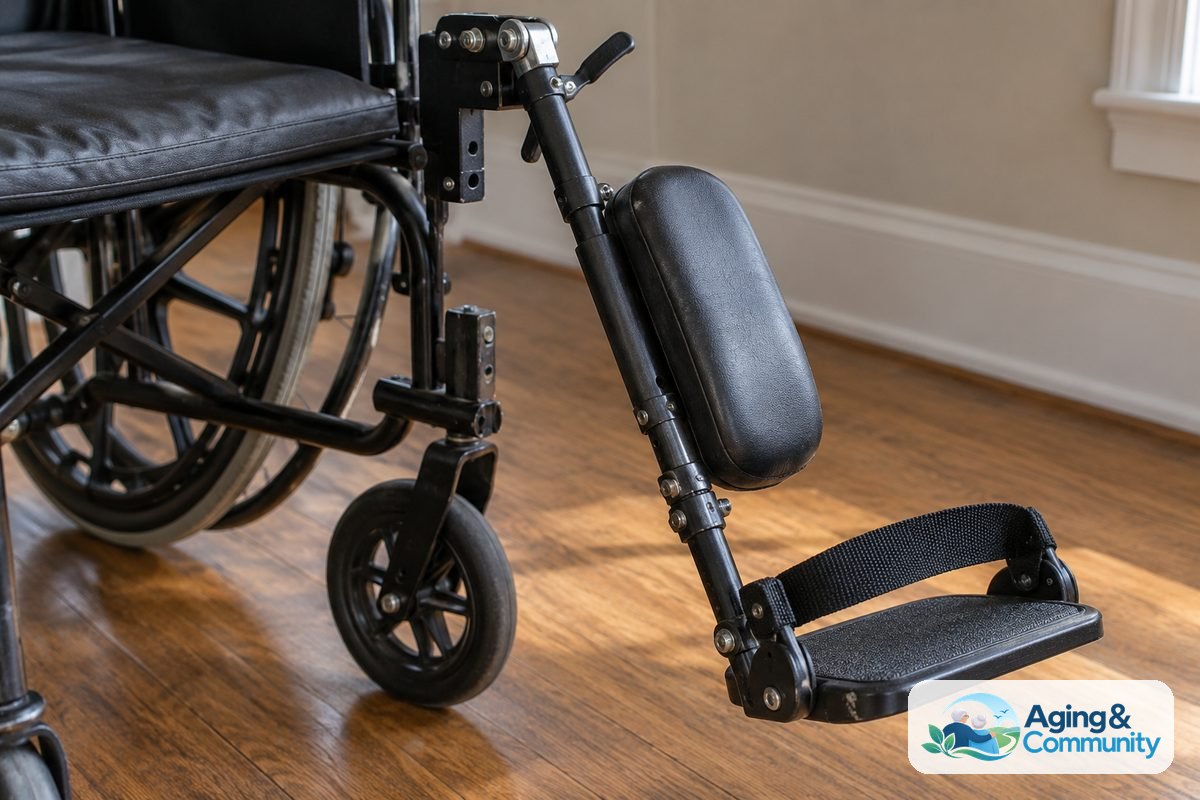
- Adjust the elevating leg rest. Raise the leg rest on your injured side so your leg stays straight and properly supported at the height suggested by your doctor.
- Back up until you feel the seat. Step backward with your uninjured foot until the back of your good leg touches the edge of the wheelchair cushion.
- Extend the injured leg forward. Keep your broken leg straight out in front of you so your cast or splint does not bump against the chair frame.
- Lower yourself using the armrests. Reach back with both hands to grip the armrests firmly and gently lower your body down onto the seat.
- Rest your calf on the padded support. Position your cast securely on the elevating rest pad, making sure your foot does not dangle over the front edge.
- Propel the chair using your hands and good foot. Turn the wheel handrims with your hands, or use your uninjured foot to gently pull or push yourself across smooth, level floors.
Common Mistakes to Avoid
- Forgetting to lock the wheel brakes before sitting down or rising from the chair.
- Allowing the injured foot to dangle without solid support under the calf and heel.
- Bumping the cast against narrow doorways, table corners, or low furniture.
- Trying to stand up quickly without sliding forward toward the edge of the seat first.
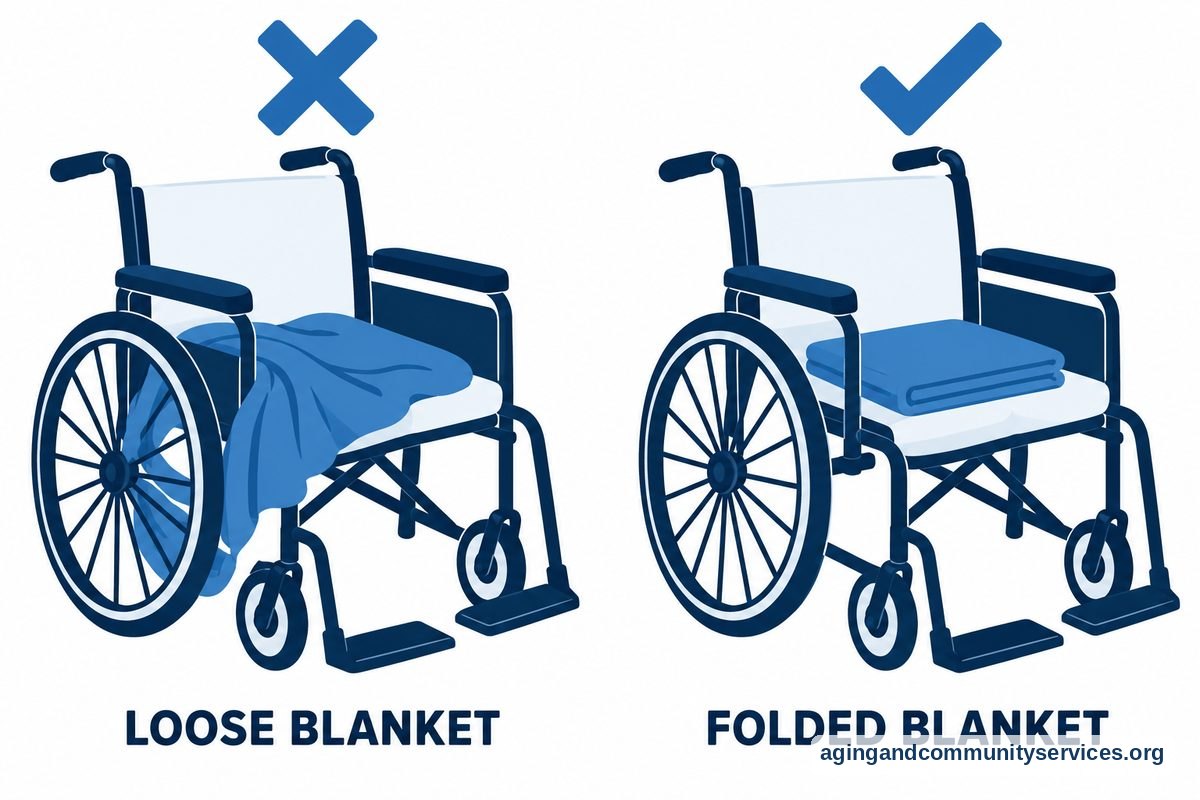
- Letting blankets or loose clothing catch in the wheel spokes while rolling.
When to Call for Help or Professional Advice
Always reach out to your orthopedic care team or physical therapist if you have questions about positioning your leg. If your cast feels unusually tight, your toes become cold or pale, or you feel numbness in your foot, call your doctor right away. You should also contact your clinic if your pain increases suddenly or if you cannot manage transfers safely on your own.
When you call, clearly explain what type of cast or brace you have on your leg. Tell the nurse or therapist whether you are using an elevating leg rest and describe any issues you experience while moving. If you need community help finding home equipment, the Eldercare Locator can connect families with local aging and disability resources.
Setting Up Your Home for Wheelchair Recovery
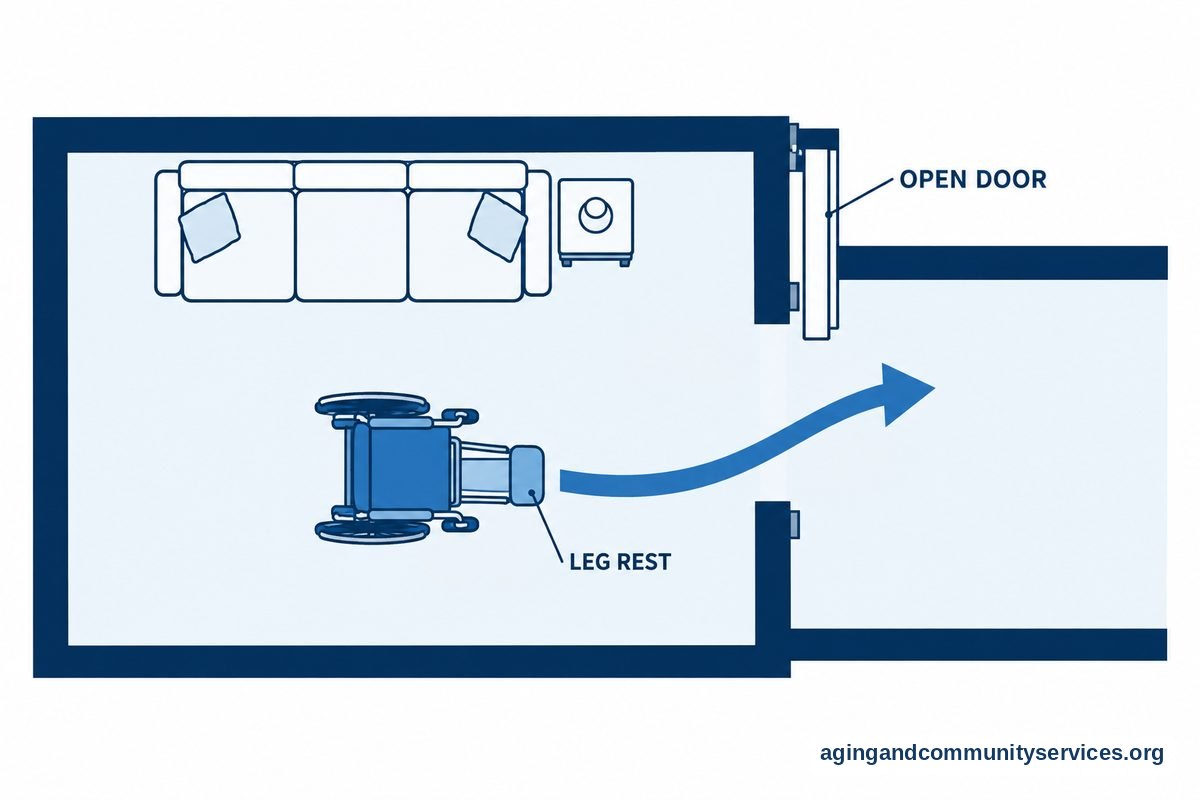
Moving through a home with a straight, elevated leg requires extra clearance. Clear pathways through your living room, hallways, and kitchen by removing loose throw rugs, floor cords, and clutter. Practical adjustments can make aging in place during an injury much more manageable for older adults.
Check the width of your doorways before bringing the wheelchair through. An outstretched leg adds length to the front of the chair, which means you need wider turning circles around corners. Reviewing the basic rules on how to use wheelchair controls helps you maneuver through tight spaces without grazing your walls.
Safe Transfers Between Chairs, Beds, and Vehicles
Moving between surfaces requires patience and careful balance. When moving from a bed to your chair, a caregiver can provide steady balance assistance by using a sturdy safety strap around your waist. Reading a guide on how to use gait belt techniques gives helpers clear guidance on where to hold without pulling on your arms.
If standing on one leg feels too tiring or unsteady, transfer boards offer a smooth bridge between surfaces. You can learn how to use transfer board from wheelchair to car seats or armchairs so you do not have to put weight on your healing bone. Always keep the board level and ensure your cast slides freely across the surface.
Navigating Thresholds and Outdoor Steps
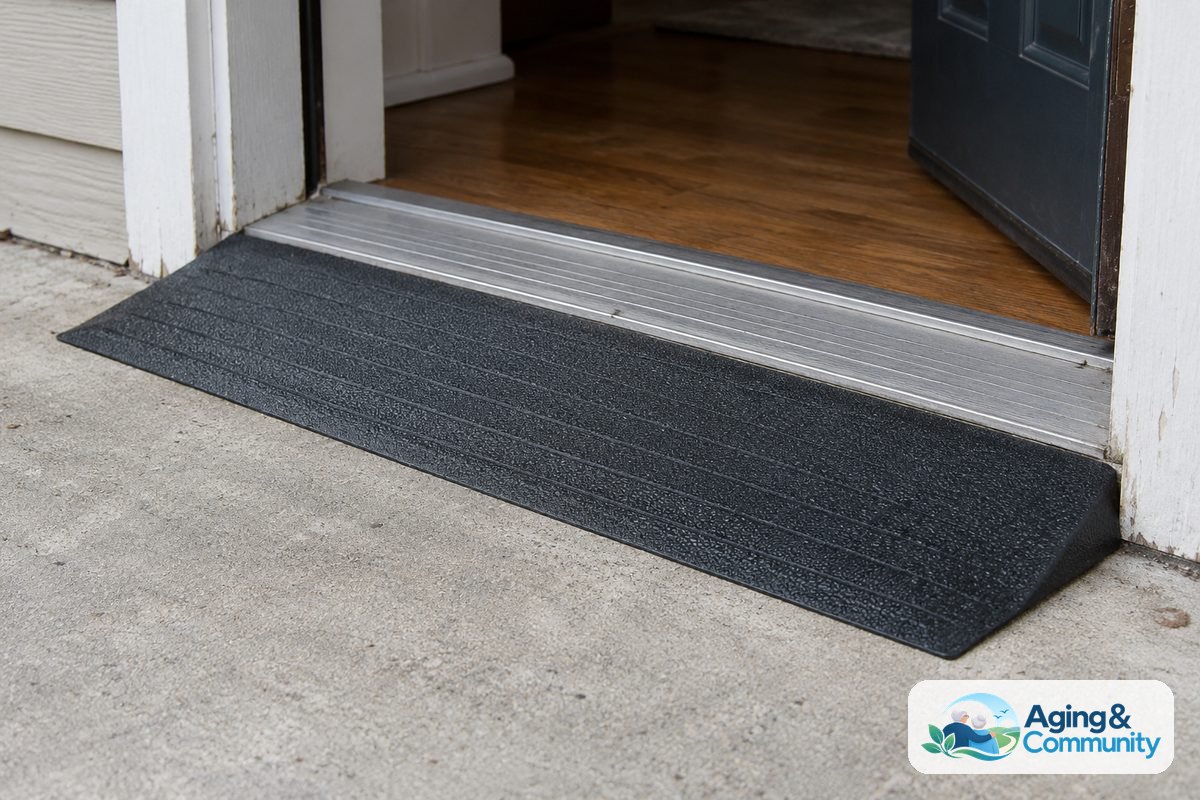
Getting in and out of the house requires special care because bumps can jar a broken bone. If your entryway has steps or a raised threshold, learning how to use a wheelchair ramp allows a helper to guide you smoothly. Backing down a steep incline is often safer for the passenger and keeps your elevated leg protected from tipping forward.
Small changes to your daily travel route can greatly lower the chances of sudden slips or balance troubles. The National Institute on Aging: Falls and Falls Prevention project points out that simple home safety checks support steady recovery. Take each threshold slowly and make sure your helper has a secure grip on both push handles.
Frequently Asked Questions
Do I need an elevating leg rest for a broken leg?
Yes, an elevating leg rest is very helpful because it supports the weight of your heavy cast. Keeping your leg raised also supports comfortable circulation and reduces swelling while you sit. Your doctor or physical therapist can tell you the best angle for your specific fracture.
How do I sit down safely in the wheelchair with a cast?
Back up to the chair until you feel the edge of the seat against the back of your uninjured leg. Extend your broken leg forward so it stays straight in the air. Reach back with both hands to hold the armrests, then gently lower yourself down into the seat before resting your cast on the padded leg support.
Can I push the wheelchair myself while one leg is in a cast?
You can push yourself on flat, indoor surfaces by turning the handrims on the rear wheels, as in a wheelchair vs transfer chair comparison explained. If you have permission from your doctor, you can also use your uninjured foot to pull yourself forward. Avoid using your broken leg to push or brake the chair.
How do I get through narrow doorways with an outstretched leg?
An elevated leg makes the wheelchair longer, so you cannot make sharp turns around doorframes. Approach the opening straight on rather than at an angle. If the space is tight, ask a helper to hold the door open wide so your cast does not make contact with the frame.