

Learning how to use a hospital bed with crank handles takes just a few minutes of practice. These manual beds use sturdy fold-out handles at the foot of the frame to raise the head, lift the knees, or change the overall bed height. Turning each crank clockwise or counterclockwise lets you adjust positions smoothly and keep your loved one comfortable throughout the day.
Manual beds are reliable choices for home care because they work without electric power. Knowing the proper way to operate each handle protects your back, keeps the person in bed secure, and helps maintain a peaceful home environment as part of your plan for aging in place.

Steps for Operating a Manual Hospital Bed Crank
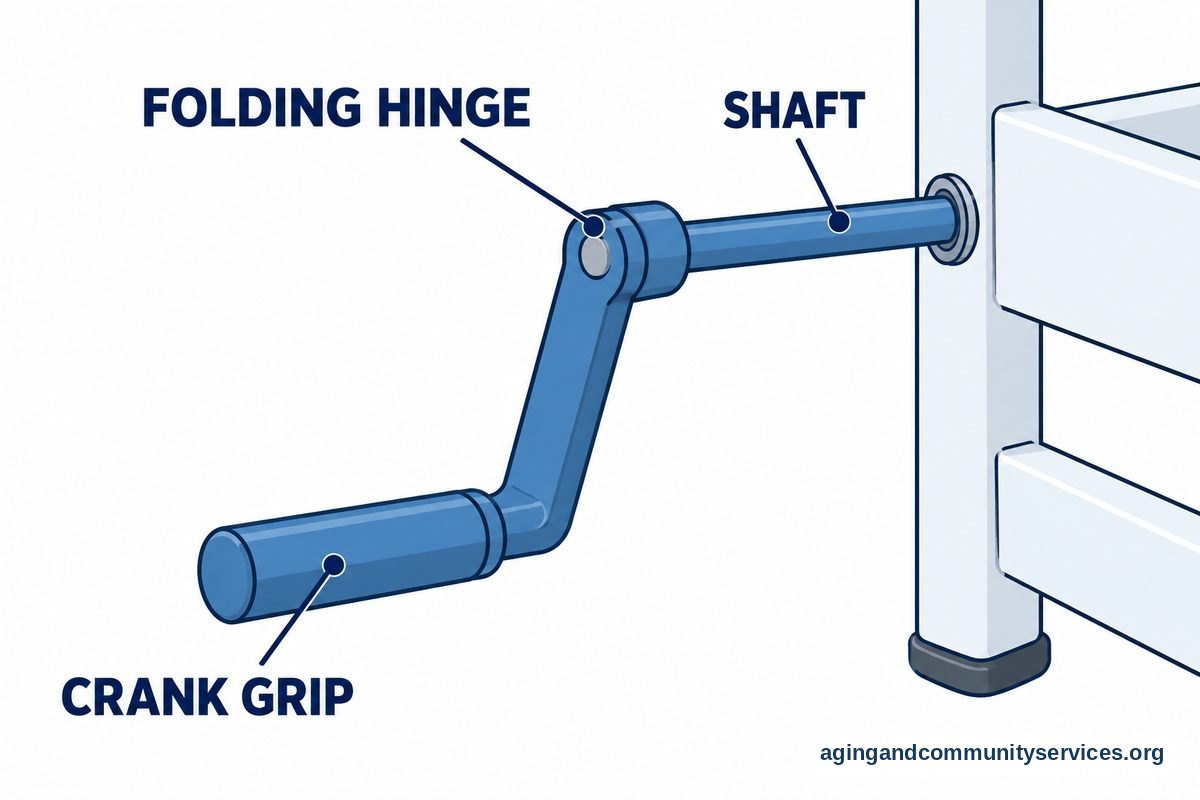
- Locate and unfold the handles. Check the foot of the bed frame to find the metal crank handles, which fold inward under the frame when not in use. Pull the handle toward you until it locks into a straight, horizontal turning position.
- Identify which crank controls each section. Most manual frames feature two or three cranks side by side. The left crank usually raises the head, the right crank moves the foot or knee area, and the center crank adjusts the entire bed height.
- Clear the area around the bed. Make sure bed sheets, blankets, call cords, and nearby furniture do not catch on the moving frame before you begin turning. If you use over bed tables with wheels, roll them a short distance away to give the mattress room to shift.
- Turn the handle using smooth, steady motions. Stand with your feet shoulder-width apart to protect your spine. Turn the crank clockwise to lift a section, or turn it counterclockwise to lower it back down.
- Communicate with the person resting in bed. Speak softly and let the person know before you start moving the frame. Ask them to tell you when the backrest or footrest feels comfortable so you know exactly when to stop.
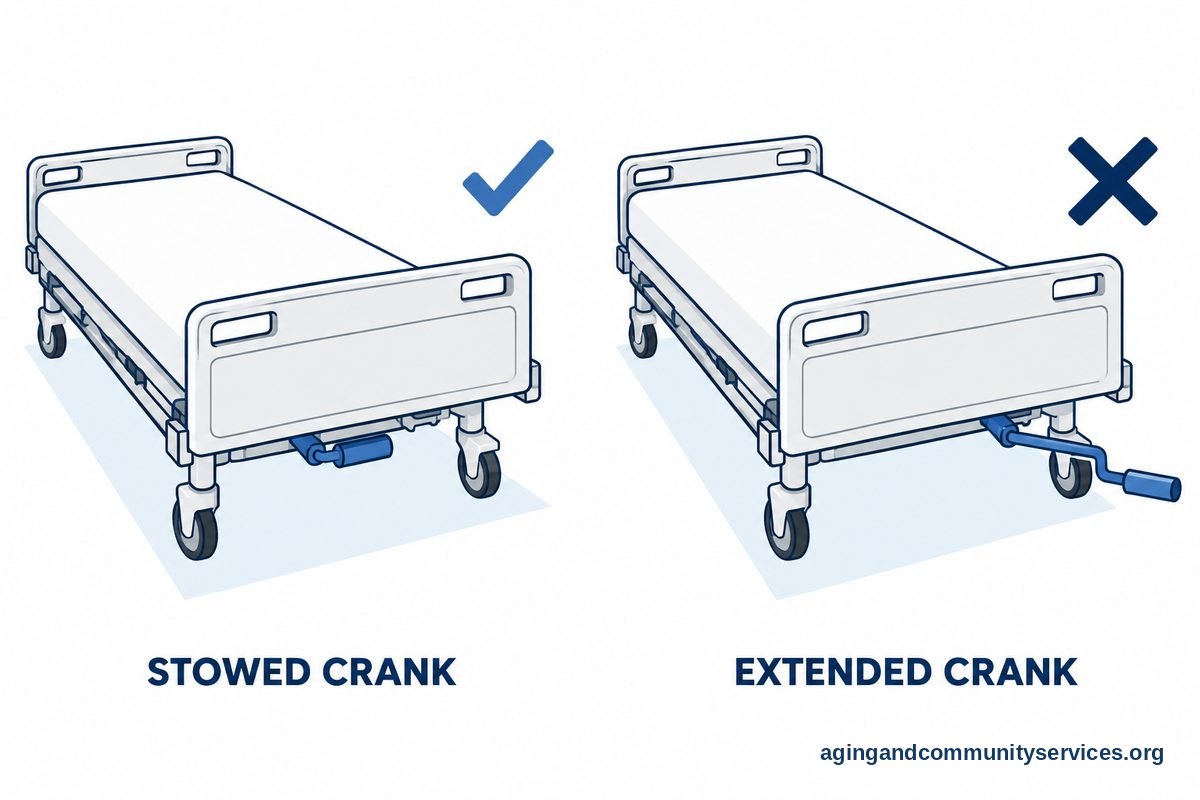
- Fold the crank handle flush against the frame. Push the crank back beneath the footboard once you reach the right position. Leaving a metal crank sticking out into the walking path creates a tripping hazard for family members and caregivers.
Common Mistakes to Avoid
- Forgetting to tuck handles away: Leaving cranks extended out into the bedroom creates a serious bump and trip hazard. Always push each handle flat against the frame when you finish turning it.
- Forcing a stuck crank: If a handle resists your turn, do not push through the resistance. The mechanical gears or bed joints may have caught on bed linens or reached their maximum height limit.
- Bending at the waist while turning: Cranking a manual bed requires physical effort. Bending over while turning places extra strain on your lower back, so keep your knees bent and stay close to the footboard.
- Leaving the bed raised high between visits: Setting the mattress high makes caregiving tasks easier on your posture, but leaving it elevated increases fall distance. Keeping the mattress low to the floor is a recognized part of daily falls and falls prevention strategies for older adults.
- Moving parts without warning the occupant: Sudden movement can startle someone who is resting or resting with eyes closed. A gentle heads-up keeps the experience calm and reassuring.
When to Call for Help or Professional Maintenance
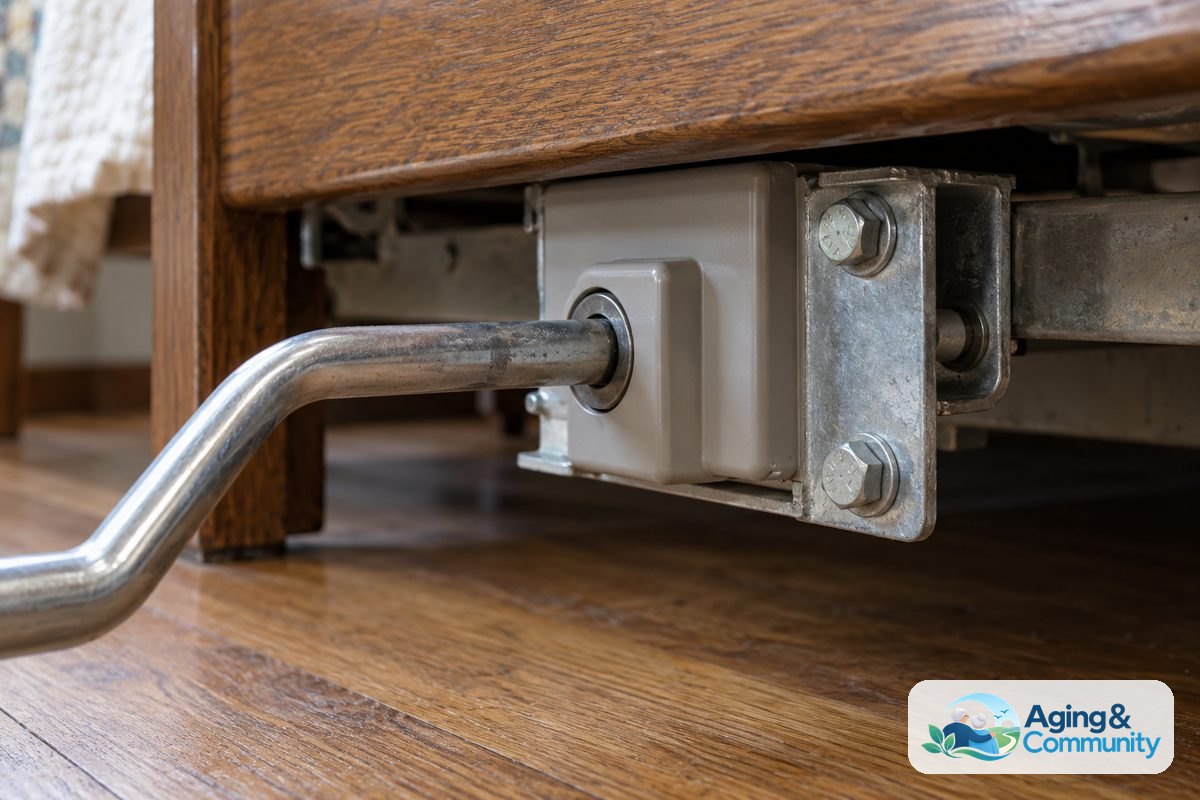
Manual hospital beds are known for durability, but their mechanical linkages can wear down over time. If a crank handle spins freely without moving the mattress, the internal pin or drive screw has likely slipped. You should also stop using the crank if you hear grinding metal, notice loose bolts, or smell metal friction.
Call the medical equipment company that delivered or rented the frame. Tell the customer service representative the model name found on the bed frame sticker, which handle is failing, and whether the mattress is stuck in a raised or lowered position. If you are exploring financial assistance for home gear, you can learn more about does medicare cover hospital bed rentals through your regular healthcare provider.
For questions about body positioning and safe mobility routines, reach out to a licensed physical therapist or occupational therapist. If you need help finding local caregiver resources or equipment loan closets in your area, contact the Eldercare Locator to connect with community support programs.
Daily Care and Safety Around a Manual Hospital Bed
Operating a manual bed is just one part of keeping a bedroom comfortable and safe. Take time each morning to inspect the frame, casters, and side rails to ensure everything remains stable. Small checks help avoid surprises later when you need to make quick position adjustments.
Locking the Wheels
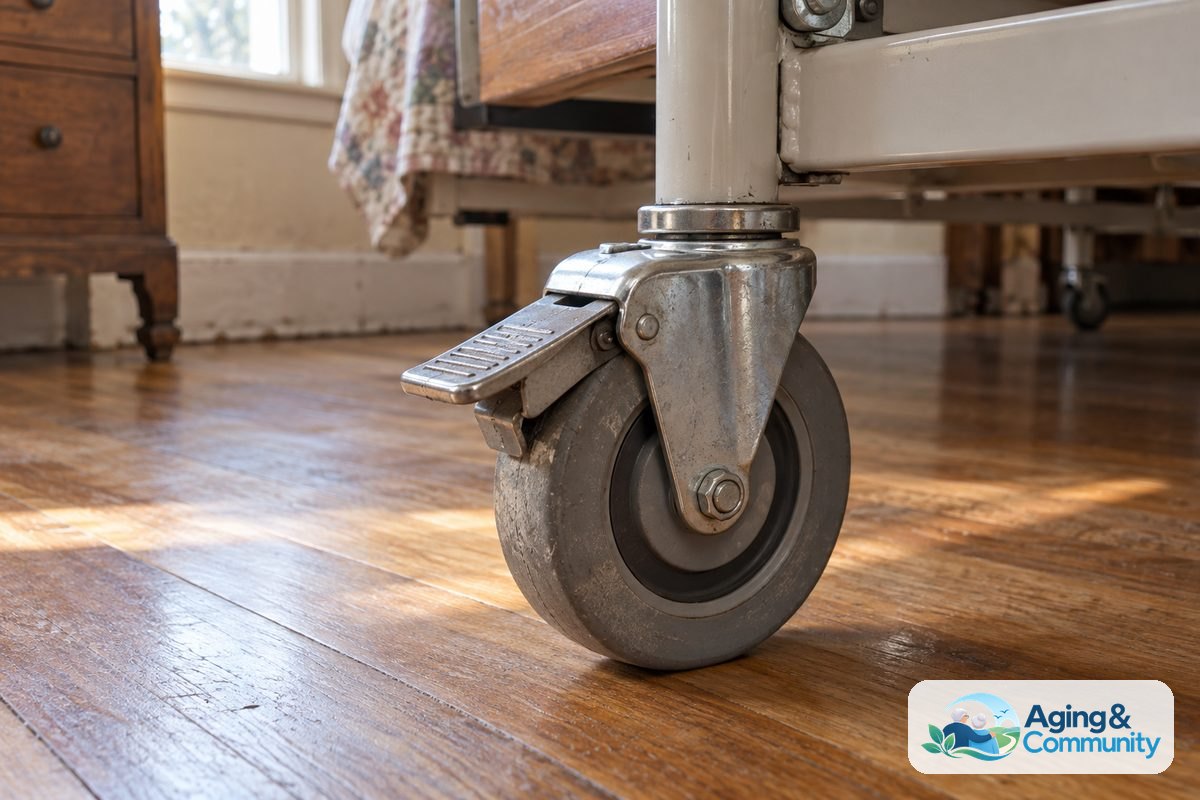
Before touching the crank handles, always look down at the four wheels on the floor. Step down firmly on each caster brake lever until it clicks into the locked position. A bed that rolls while you are turning a crank can pull your back or frighten the person resting inside.
Using Side Rails Correctly
Many manual frames come equipped with sturdy side bars for safety and repositioning assistance. Knowing how to use bed rail for elderly family members ensures they have a secure handhold when shifting their weight. Always ensure side rails are latched securely before raising the head section with your crank.
Comparing Manual and Electric Options
If daily hand-cranking becomes tiring for your arms or shoulders, you might consider an electric or semi-electric model. Understanding the differences in how to use hospital bed frames helps you choose the best match for your home. Electric units replace manual cranks with push-button controls, which you can explore in our guide on how to use hospital bed remote systems.
Frequently Asked Questions
Which direction raises the head of a manual hospital bed?
Turning the crank handle clockwise almost always raises the head section of the bed. Turning the handle counterclockwise lowers the backrest back toward the flat position. Test the handle with one slow turn while looking at the mattress to confirm the direction.
How hard should it be to turn a hospital bed crank?
A crank handle should turn with smooth, modest effort. You will feel slight resistance because you are lifting body weight and the heavy steel frame, but you should not have to strain. If the handle requires heavy force, check for tangled sheets or contact your medical equipment supplier for maintenance.
Can one person operate a manual hospital bed crank alone?
Yes, a single caregiver can easily operate the crank handles. Stand squarely facing the footboard, engage your leg muscles, and turn the handle with steady rhythm. Make sure to talk with the person in bed so they can tell you when their elevation feels right.
How often should manual hospital bed cranks be lubricated?
Most modern manual bed drive screws are sealed or lubricated to last for extended periods. If a crank begins to squeak, refer to the manufacturer manual before applying any spray. Many medical supply companies prefer to send a technician to inspect and grease the drive gears safely.