

Learning how to use pulse oximeter with fake nails can feel tricky because thick acrylics or dark polishes can block the light sensor. You can often get an accurate number by turning the sensor sideways on your finger, trying an unpolished toe, or using an earlobe sensor clip. A few small adjustments make it easy to check your oxygen levels without having to remove your manicure right away.
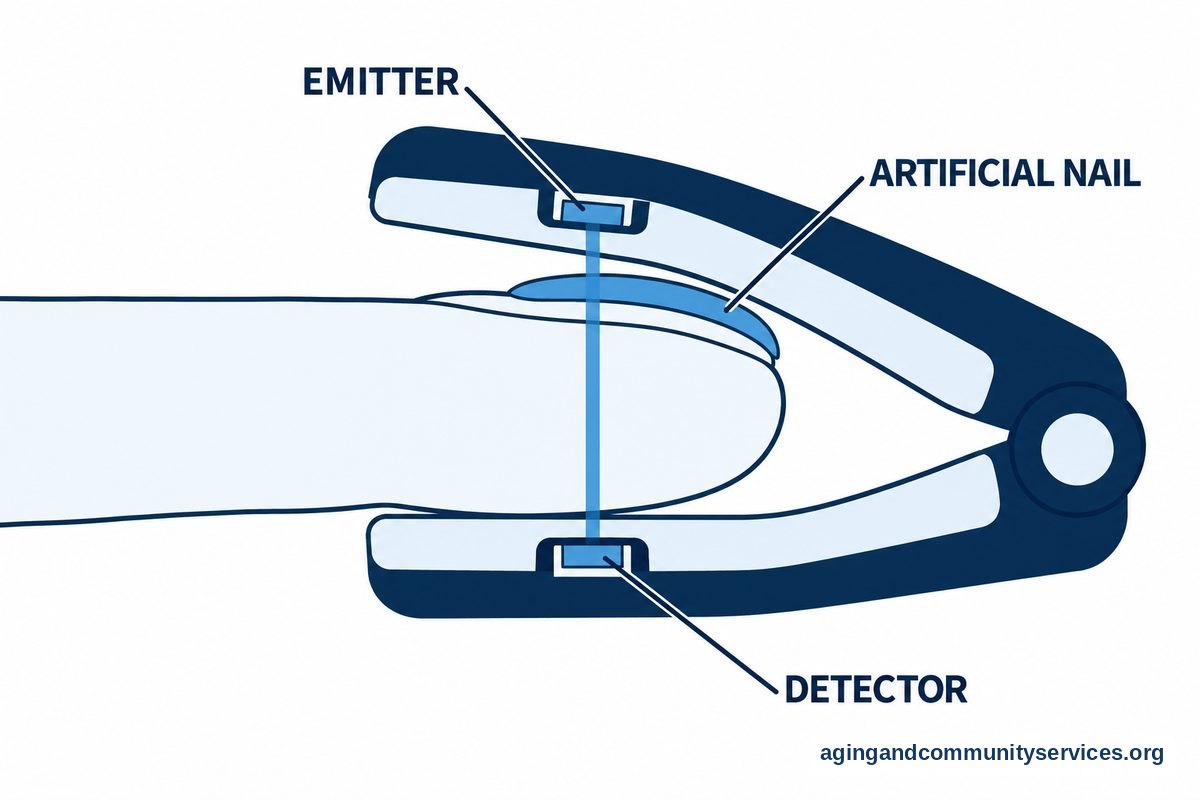
A fingertip pulse oximeter works by shining small beams of red and infrared light straight through your nail bed and tissue. Tiny sensors on the other side measure how much light passes through your blood vessels. Because artificial materials and dark pigments absorb or scatter that light, the device might show an error message or give a number that is lower than your actual level. Understanding how the tool functions helps you work around these barriers at home.

Main Steps for Getting an Accurate Reading
- Warm your hands up first. Cold fingers have reduced blood flow, which makes it harder for the light to read through thick acrylic tips. Rub your hands together or hold a warm mug for a few minutes before you start.
- Turn your finger sideways. Slide your finger into the clip so the light shines from side to side across your finger pad instead of top to bottom through the artificial nail. This lets the light travel through natural skin rather than thick plastic or gel layers.
- Test your other fingers or toes. Check if your pinky finger or one of your toes has a thinner coating or clear polish. Placing the sensor on a clean toe often provides a strong pulse signal and a steady number.
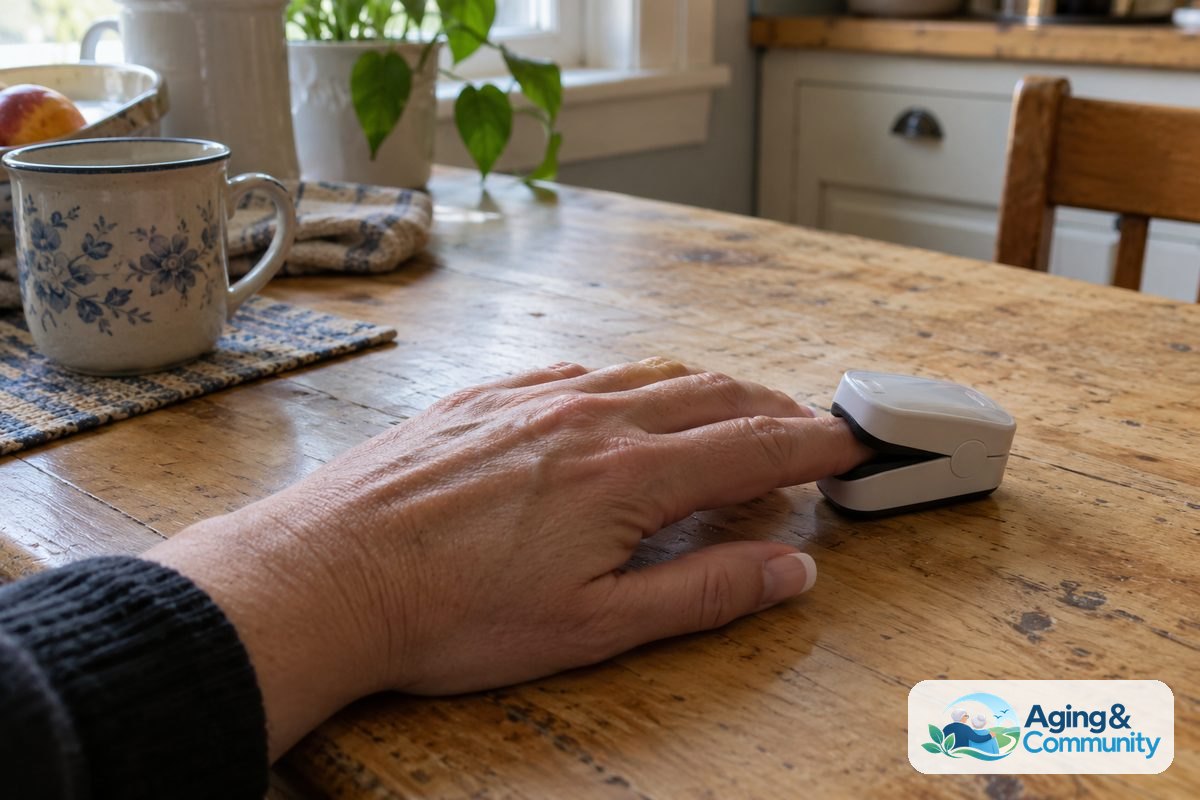
- Rest your hand on a flat surface. Keep your hand completely relaxed on a table or your lap while the device runs. Moving your hand or tapping your fingers can cause false readings or display errors.
- Watch for a steady pulse wave. Wait thirty to sixty seconds until the numbers stop jumping around on the screen. Most home devices display a small pulsing bar or heart symbol that should beat in time with your natural pulse.
If you regularly track your numbers at home, review general steps on how to use pulse oximeter tools properly. Having good baseline habits makes every check faster and more dependable.
Common Mistakes to Avoid
- Ignoring cold fingertips. Placing a cold finger into the monitor is one of the most common reasons for a failed reading. Always warm your skin before slipping the clip onto your finger.
- Moving around during the test. Walking, talking, or wiggling your fingers causes movement artifacts that confuse the optical sensor. Sit comfortably in a supportive chair and remain still for at least one full minute.
- Using a finger with damaged acrylic. Lifted edges or air bubbles trapped beneath an acrylic nail can bend the light rays unpredictably. Choose a different finger where the nail is completely flush or bare.
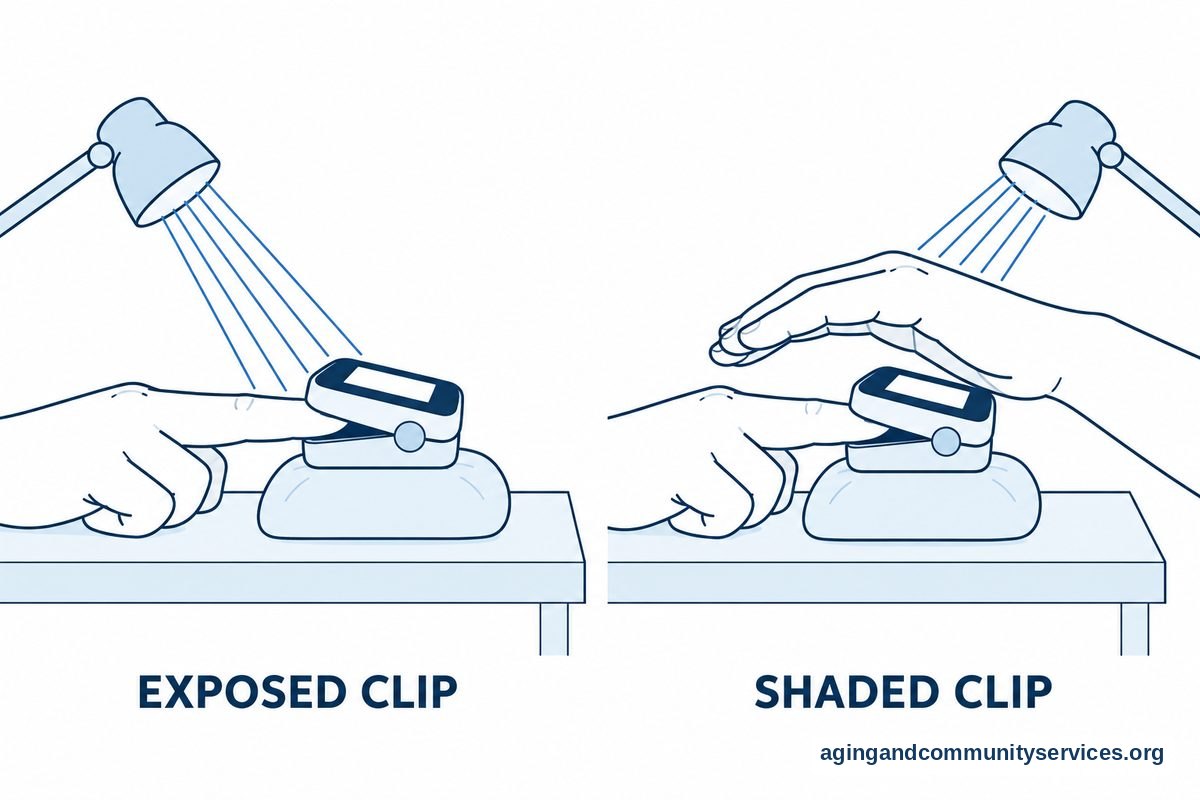
- Sitting directly under bright lamps. Strong overhead lighting or direct sunlight shining into the rubber opening of the monitor can wash out the sensor. Shield the clip with your free hand or a light cloth while it reads.
- Relying on the very first number you see. Pulse monitors often need fifteen to thirty seconds to establish a solid rhythm. Let the device settle on a steady pattern before writing down your result.
When to Call for Help or Get Professional Advice
Home monitors are helpful tools, but they should never replace how you actually feel, much like learning how to use a quad cane safely. If you feel short of breath, lightheaded, or unusually tired, do not spend time trying to adjust the clip on fake nails. Reach out to your doctor or seek urgent medical care right away, regardless of what the screen shows.
When you call your doctor’s office or nurse advice line, explain clearly that you are wearing artificial nails. Tell them what your monitor displays, how your breathing feels, and whether your lips, skin, or nail beds look pale or bluish. If you need assistance finding local health resources or home care help, the Eldercare Locator connects older adults and caregivers with reliable community support.
Why Artificial Nails Interfere With Optical Sensors
Fingertip pulse monitors depend on transparency. Blood rich in oxygen absorbs different amounts of light compared to blood that carries less oxygen. When artificial resin, nail glue, glitter, or deep pigments sit between the light and the sensor, the machine cannot easily tell how much red light is actually reaching your blood.
Thick materials also physically prop the rubber chamber open. If the spring clip cannot close evenly, ambient room light leaks into the chamber. This stray light overpowers the tiny sensors inside the device, often leading to a blinking question mark or an artificially low oxygen percentage.
| Nail Type | Level of Interference | Best Workaround |
|---|---|---|
| Clear Acrylic or Gel | Low to Moderate | Warm the finger and hold the hand completely still. |
| Dark or Metallic Polish | Moderate to High | Turn the finger sideways or use an unpolished toe. |
| Thick Sculpted Extensions | High | Use an earlobe clip or leave one natural accent nail. |
Choosing the Right Equipment and Preparing Your Nails
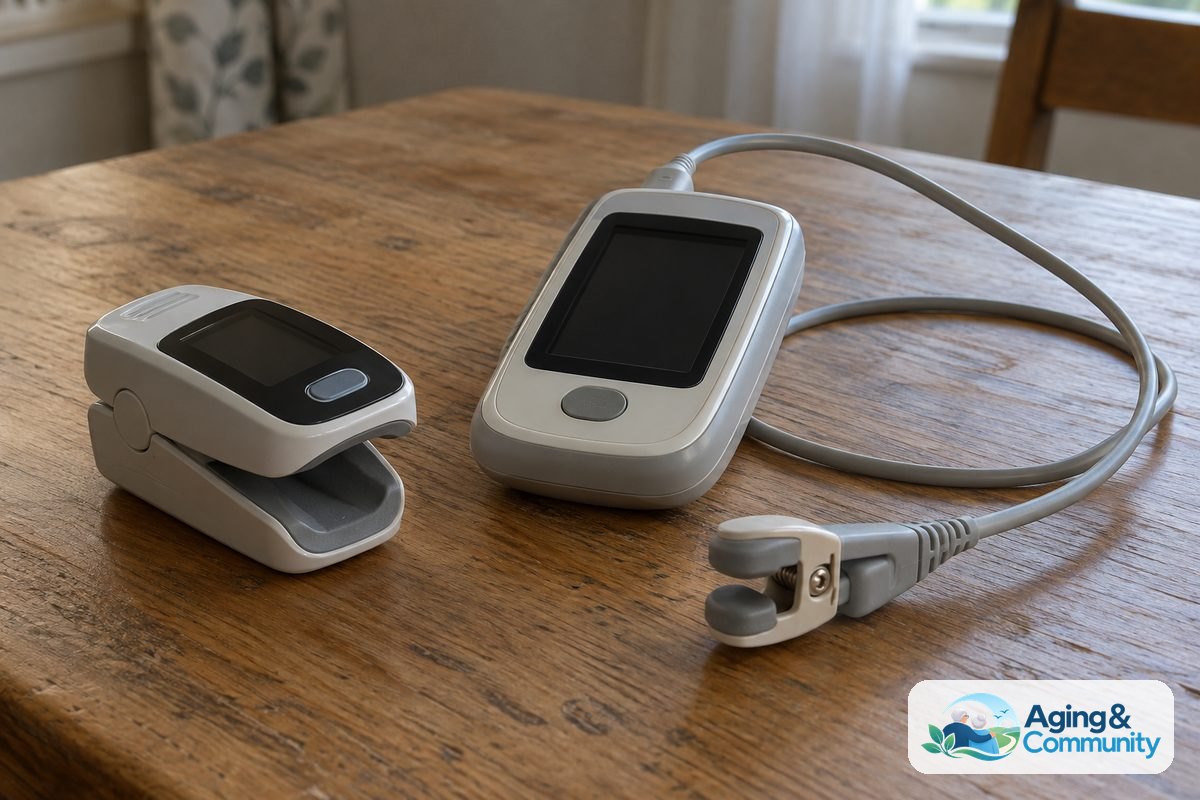
If you wear artificial nails regularly and your physician asks you to track your vital signs, having forgiving equipment helps. Many families look into comfortable pulse oximeters for seniors that feature wider finger chambers, softer springs, and bright dual-color displays that are easy to view.
When equipment is prescribed by a physician for an ongoing condition, you may wonder does medicare cover pulse oximeter devices or learn how to use a rollator walker for your home routine. Coverage depends on specific medical guidelines and whether your health care provider writes an order for durable medical equipment.
For salon visits, consider leaving your non-dominant pinky finger bare, or use a sheer nude tint instead of deep dark colors. Keeping just one nail natural gives you a dependable site for monitoring while letting you enjoy your manicure on every other finger.
Maintaining overall wellness at home involves balancing comfort with safety. For those who want to stay independent, exploring resources on aging in place offers practical ideas for managing daily routines and health tools safely in your own living space.
Frequently Asked Questions
Can I put the pulse oximeter on my toe if I have fake nails?
Yes, toes are one of the most reliable alternative sites. As long as the toe is warm and does not have heavy dark polish, the light will shine cleanly through the nail bed. Clean the toe gently, rest your foot on a stool, and wait for the reading to stabilize.
Does the color of the nail polish matter?
Yes, darker shades tend to block more light than light shades. Deep blue, black, purple, and dark red polishes absorb the specific wavelengths of red and infrared light that home monitors rely on. Pale pinks, clear coats, and light neutrals usually cause far fewer problems.
What should I do if the monitor will not display any numbers?
Start by warming your hands and testing a different finger. If that does not work, try turning your finger sideways so the sensor sits across the side of your finger pad. You can also shield the monitor from bright lamp light with your hand.
Can I use an earlobe sensor instead?
Earlobe clips are an excellent option when fingernails and toenails are covered by heavy acrylics or dark polish. Many medical supply shops sell compatible ear sensors for home monitors. Earlobes have strong blood flow and no nail plates to block the beams.
Is it safe to file down just one fake nail for health checks?
Yes, gently buffing or soaking off the acrylic on a single finger is a practical solution. Removing the product from your non-dominant pinky provides a permanent, reliable window for your monitor without disturbing the rest of your set.