

Many older adults look for practical tools to stay independent and confident on their feet. A wearable airbag for seniors is an innovative garment designed to soften the impact of an unexpected tumble. These devices combine smart sensors with rapid inflation to offer personal protection during daily routines.

How Wearable Airbags Work
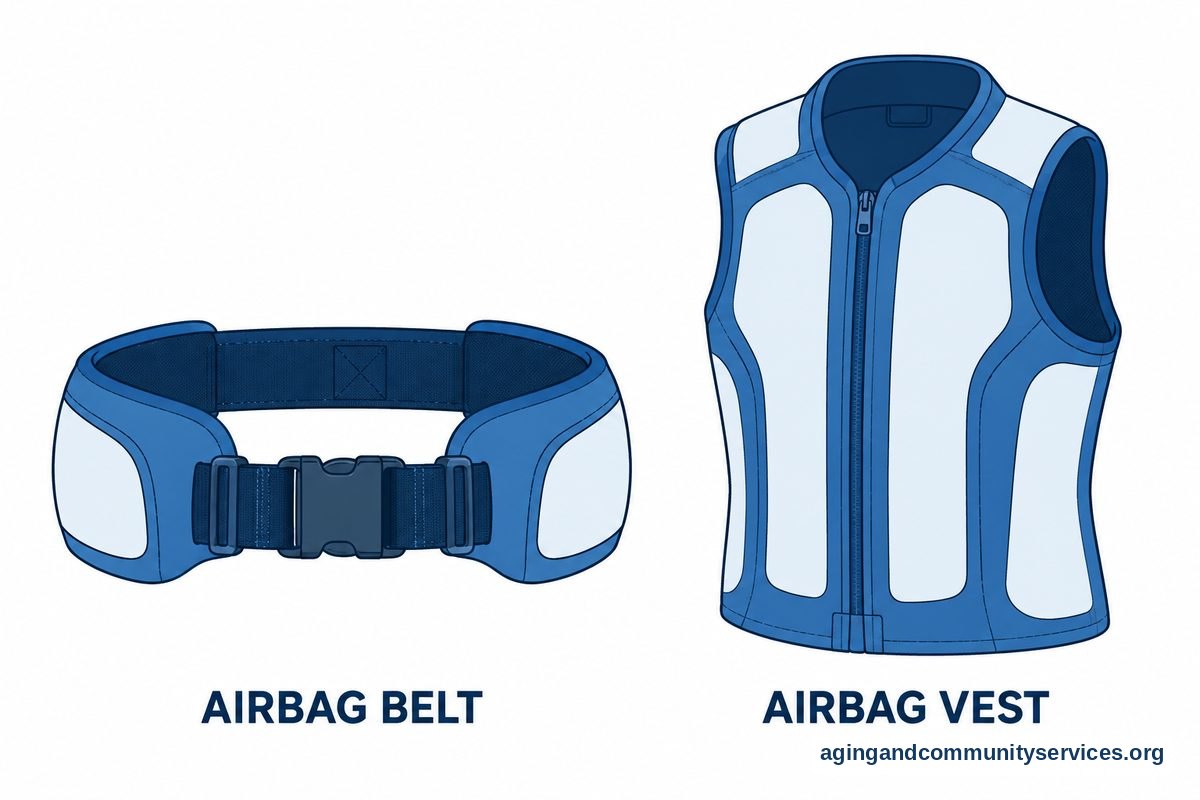
These devices look and feel much like regular clothing. Most models come shaped as a lightweight belt or an elderly fall vest that slips comfortably over shirts or sweaters.
Inside the fabric, high-tech motion sensors monitor body movement thousands of times every second. These sensors detect changes in speed, tilt, and balance. When the system detects the sudden motion of a drop, it triggers tiny gas cartridges in milliseconds.
The airbags inflate outward before a person touches the ground. This creates a cushion around vulnerable areas such as the hips, spine, and chest. After inflation, the air slowly vents, keeping the person comfortable while they wait for assistance.

Types of Wearable Airbag Protection
Different designs focus on protecting specific parts of the body. Choosing the right style depends on daily habits, typical clothing choices, and personal comfort preferences.
Hip-protection belts sit snugly around the waist and rest directly over the outer hips. They remain hidden under loose clothing or fit discreetly on the outside of trousers. When triggered, two large cushions deploy over both hip bones to cushion the landing.
Upper-body garments provide broader coverage across the back, neck, and chest. Similar to a fall prevention blow up pad for seniors, these systems absorb energy across the torso. They are popular for outdoor walking, light yard chores, and community outings.
Key Features to Consider
Every person has unique needs when it comes to daily attire and personal safety. Reviewing key features helps you find an option that is easy to use every day without frustration.
- Weight and Fit: The garment should feel light and balanced so it does not pull on the shoulders or strain the lower back.
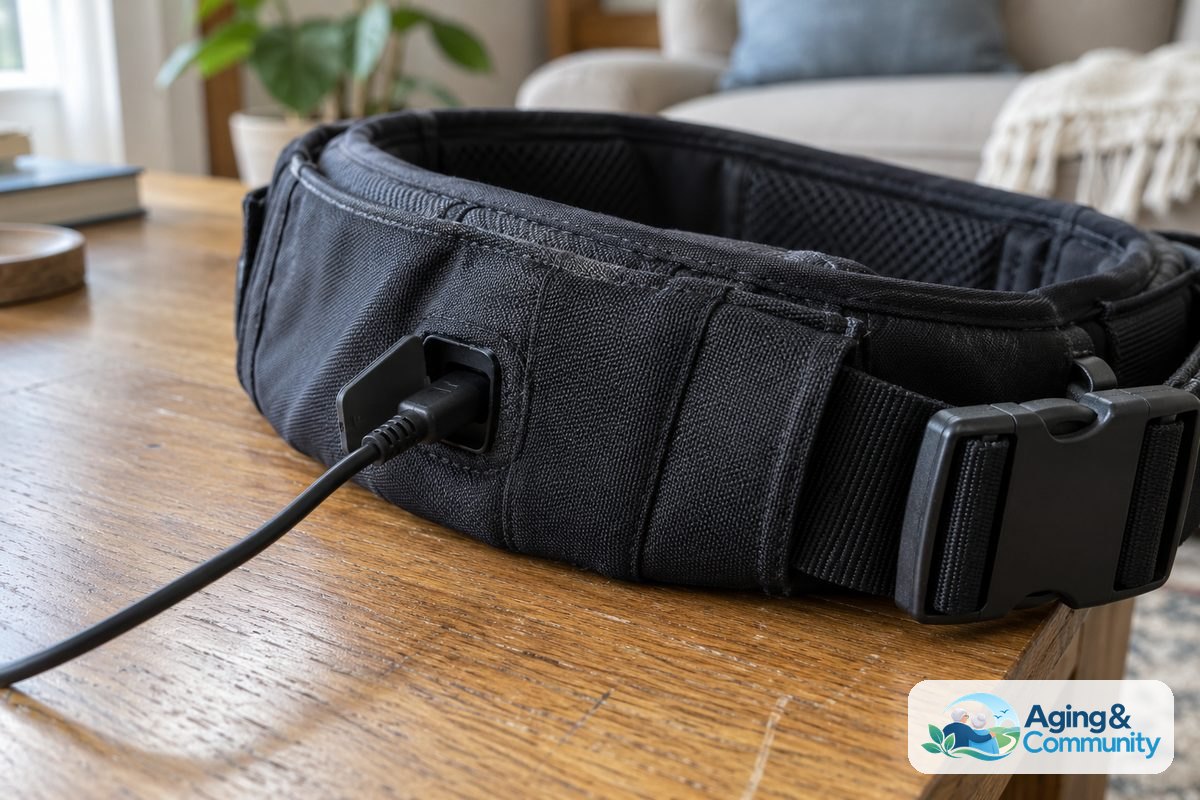
- Battery Life: Look for batteries that last at least twenty-four to forty-eight hours on a single charge.
- Reset and Cartridges: Check whether you can replace the gas canisters yourself at home or if the unit must be mailed back after an inflation event.
- Alert Systems: Some models connect to cellular networks or mobile phones to notify loved ones if an activation happens.
- Fabric Care: Removable electronic parts allow the fabric cover to go straight into standard washing machines.
Comparing Airbags to Other Protective Gear
Airbag garments are one part of a wider toolkit for maintaining personal mobility. It helps to understand how they compare to traditional gear like foam pads or an alert watch.
| Feature | Wearable Airbags | Traditional Hip Pads | Smart Alert Watches |
|---|---|---|---|
| Impact Protection | High (active air cushion) | Moderate (foam or plastic) | None (notification only) |
| Comfort | Lightweight until deployed | Bulky during sitting | Very light on wrist |
| False Alarms | Rare, sensor-managed | Not applicable | Occasional false notices |
| Care | Electronics require charging | Washable without setup | Requires regular charging |
Traditional pads offer continuous coverage without batteries, but some people find the firm padding uncomfortable when sitting for long periods. Meanwhile, selecting modern watches for seniors fall detection can call for help after an incident, but a watch does not provide a physical cushion during impact.
Comfort, Sizing, and Daily Usability
A safety aid only works if someone is willing to put it on each morning. Getting the right measurement is the most critical step before picking a model.
Take measurements over standard indoor clothing rather than bare skin. Use a flexible measuring tape around the widest part of the hips or the fullest part of the chest, depending on the garment style. If you fall between two sizes, choose the larger size for easy breathing and relaxed movement.
Modern fabrics are breathable and designed to reduce heat buildup. Many users find it helpful to pair their device with another wearable safety device for elderly family members, such as a simple pendant button, to create complete peace of mind.

Practical Next Steps for You and Your Family
Deciding to add protective gear to your daily routine works best when taken step by step. Here are practical ways to move forward without feeling overwhelmed:
- Consult Professionals: Talk with a primary doctor, a physical therapist, or an occupational therapist. These professionals can assess gait, footwear, and balance needs to guide your choice.
- Review the Home Environment: The National Institute on Aging provides fall prevention tips that highlight how clearing throw rugs, improving lighting, and installing bathroom grab bars support safe daily movement.
- Plan for Independent Living: Read practical advice on aging in place from the National Institute on Aging to build a supportive living space.
- Contact Local Resources: Connect with community programs through the Eldercare Locator to find regional mobility clinics, home safety evaluations, and local wellness classes.
- Test Fit at Home: Practice putting on and taking off the garment while seated in an armchair to confirm the buckles and straps are easy to manage.
Frequently Asked Questions
Can you wear these garments while sitting or riding in a car?
Yes, most models are designed to bend naturally at the hips. The sensors can tell the difference between sitting down in a chair and losing balance, so normal sitting will not trigger an inflation. However, you should unbuckle or turn off the device during vehicle travel, just like learning how to use a wheelchair van lift properly, as sudden car stops could confuse the sensors.
What happens if the airbag deploys by accident?
Accidental deployments are uncommon because internal computers require specific speed and downward trajectory data before firing. If the garment does inflate, the fabric cushions expand softly without injuring the skin. Once it vents, you simply install a fresh gas cartridge according to the manufacturer instructions.
Are wearable airbags heavy to carry around all day?
Most models weigh between one and three pounds, which is comparable to a light spring jacket. Designers place the heaviest components, like the battery and air canisters, close to the center of gravity along the waistline so the weight goes unnoticed during daily walks.
Does health insurance cover these devices?
Standard Medicare and typical private insurance plans do not usually list wearable airbags as standard durable medical equipment. Some people use Health Savings Accounts (HSA) or Flexible Spending Accounts (FSA) to purchase them. Always check with your plan administrator and keep a letter of medical necessity from your doctor.