

Families often ask why do elderly decline after a fall, especially when a person seemed fairly steady before it happened. A fall can change comfort, confidence, movement, sleep, and daily routines all at once, so the change may look sudden even when several smaller issues are involved.
Not every fall leads to lasting decline, and not every change has the same cause. Still, it is worth paying close attention, asking calm questions, and helping the person connect with a doctor, physical therapist, or occupational therapist when something feels different.
Why a Fall Can Affect More Than the Body
A fall is not only a physical event. It can also be a shock to a person’s sense of safety and control. Someone may start moving less, asking for more help, or avoiding normal tasks because they do not feel sure of their balance.
For many families, the hard part is that decline may show up in small ways. The person may stop walking to the mailbox, skip a shower, eat less, or spend more time in one chair. These changes can build on each other.
The National Institute on Aging explains that falls can be linked to many factors, including strength, balance, vision, medicines, home hazards, and footwear in its guidance on falls and fall prevention. That is why the follow up after a fall often needs to look at the whole day, not only the spot where the fall happened.
Families may also find it helpful to understand what happens after a fall, since the first few hours and days can shape how safe and supported the person feels.
Pain, Injury, and Less Movement Can Lead to Setbacks
After a fall, pain can make movement harder. Even when there is no obvious serious injury, soreness may cause a person to walk less, get up less often, or move in a guarded way. Less movement can then make daily tasks feel harder.
Some injuries are easy to notice. Others may be less clear at first, especially if the person is tired, embarrassed, or not sure how to explain what hurts. A doctor can help decide what needs to be checked.
It is especially important to seek medical advice if there was a hit to the head, new confusion, strong pain, swelling, trouble walking, dizziness, fainting, or any change that worries you. If the person takes blood thinners, ask a medical professional what to do after a fall, even if the person seems okay.
- Watch walking: Notice limping, shuffling, leaning on furniture, or avoiding stairs.
- Watch daily tasks: Bathing, dressing, cooking, and getting out of a chair may become harder.
- Watch pain patterns: Pain that changes sleep, appetite, or mood deserves attention.
- Watch thinking: New confusion or unusual sleepiness should be discussed with a clinician.
If there was a possible head impact, this guide to an elderly fall head injury may help families think through what to ask and observe. If blood thinners are involved, this article on a fall on blood thinners may also be useful.

Fear of Falling Can Shrink Daily Life
Fear after a fall is common and understandable. A person may worry that standing up, bathing, walking outside, or going to the store could lead to another fall. This fear can change behavior even when the body is healing.
When someone avoids movement, the home can start to feel like the only safe place. Then the person may miss social visits, fresh air, errands, and light activity. Over time, that smaller routine can affect mood, strength, and confidence.
It helps to respond with respect. Saying, “You have to get over it,” can make a person feel unheard. A better approach is to ask what feels unsafe and what would make the next step feel easier.
A physical therapist may suggest safe ways to rebuild balance and strength. An occupational therapist may look at daily tasks, bathroom setup, lighting, and how the person moves through the home. Their guidance can lower the risk of future falls when matched to the person’s needs, as described by the National Council on Aging in its information on falls prevention facts.
Medicine, Sleep, and Health Changes May Play a Role
Sometimes a fall is a sign that something else has changed. A new medicine, a changed dose, poor sleep, dehydration, vision changes, or blood pressure shifts may affect balance or alertness. Families should not try to sort this out alone.
Bring a current medicine list to a doctor or pharmacist and include prescription drugs, over the counter products, vitamins, and supplements. Ask whether any item could affect balance, dizziness, alertness, or bathroom urgency. Do not stop or change medicine without medical advice.
Sleep can also change after a fall. Pain may wake the person. Worry may make it harder to rest. Poor sleep can then make daytime movement and thinking feel harder.
Eating and drinking matter too. If a person is eating less because cooking feels hard, they may have less energy. If they avoid fluids to reduce bathroom trips, they may feel weaker or more lightheaded. A doctor can help if appetite, weight, bathroom habits, or thirst change.

Loss of Independence Can Affect Mood and Motivation
A fall can be upsetting because it may feel like a loss of independence. A person who once felt capable may now need help with bathing, rides, meals, or housework. Even loving help can feel like a reminder that life has changed.
Some people become quiet, irritable, or withdrawn after a fall. Others may refuse help because they want to prove they are still independent. These reactions do not mean the person is being difficult. They may be trying to protect dignity.
Families can support independence by offering choices. Instead of taking over, ask, “Would you rather shower in the morning or after lunch?” or “Do you want me nearby while you make breakfast?” Small choices help a person stay involved in their own life.
It can also help to separate safety from control. The goal is not to make every decision for the person. The goal is to make daily life easier to manage while keeping the person’s wishes in view.
Home Setup and Routines Can Make Recovery Easier or Harder
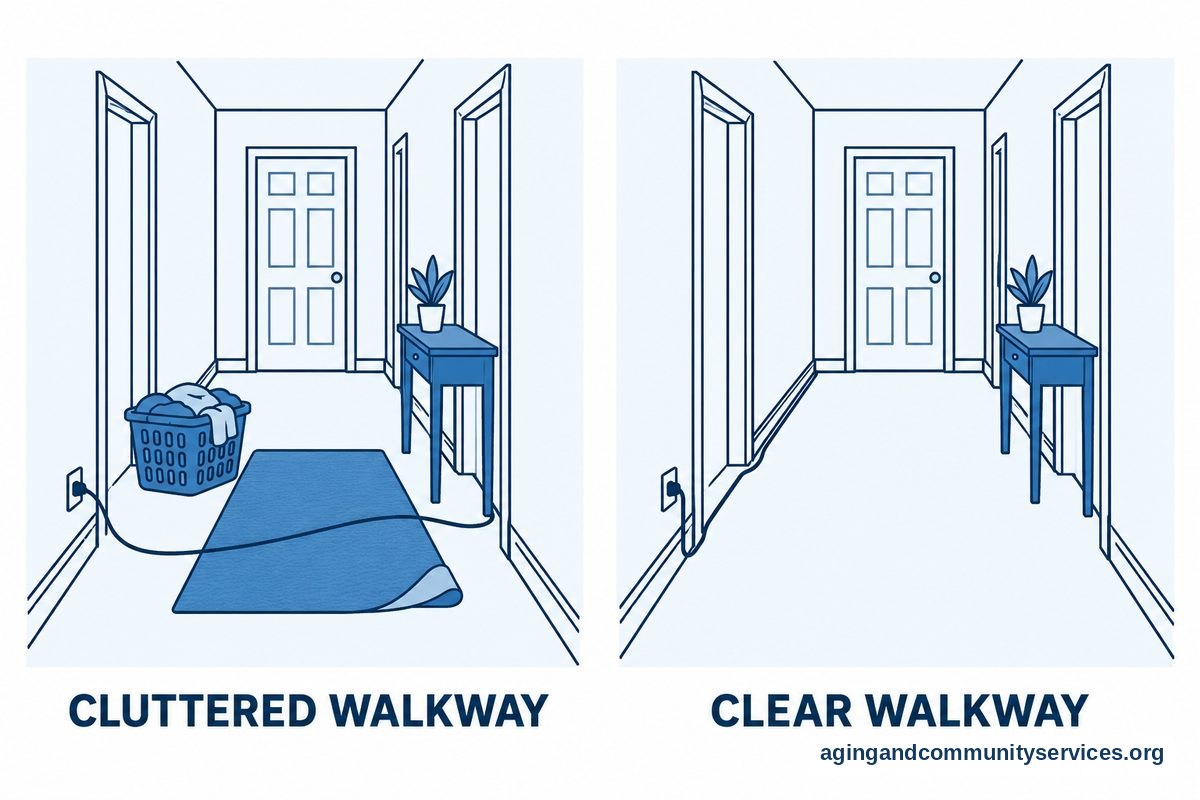
The home often looks familiar, but after a fall it may work differently for the person. A low chair may be hard to stand from. A dark hallway may feel unsafe. A loose rug may become a bigger concern than it used to be.
Small home changes can make daily movement feel more manageable. Ask an occupational therapist for ideas if the person has trouble with bathing, stairs, transfers, or kitchen tasks. They can suggest changes based on how the person actually moves.
| Area to Check | What to Notice | Practical Step |
|---|---|---|
| Walkways | Clutter, cords, small tables, or narrow paths | Clear wide paths between common rooms |
| Bathroom | Slippery floor, low toilet, hard to reach towels | Ask about grab bars, seating, and safer routines |
| Lighting | Dim halls, stairs, or bedroom paths | Add easy to reach lights and night lights |
| Footwear | Loose slippers or shoes without good grip | Choose secure shoes that fit well |
| Chairs and bed | Seats that are too low or unstable | Use sturdy seating that is easier to rise from |
A written plan can reduce guesswork. Families may want to review fall management steps so everyone knows what to watch for and who will help with follow up.
What You Can Do Next
Start with calm observation. Write down what changed after the fall, when it began, and what makes it better or worse. Bring these notes to a doctor, physical therapist, or occupational therapist.
If the fall just happened and you are not sure what to do, get medical advice, especially if there is pain, head impact, weakness, confusion, dizziness, or trouble walking. If you need help deciding who to contact, this guide on who to call can help you think through the situation.
- Ask what happened: Let the person describe the fall in their own words if they can.
- Check the basics: Look for pain, bruising, swelling, walking changes, and changes in alertness.
- Schedule follow up: Ask a doctor whether medicines, vision, blood pressure, or other health changes should be reviewed.
- Request therapy input: A physical therapist can look at walking and strength, while an occupational therapist can look at daily tasks and home setup.
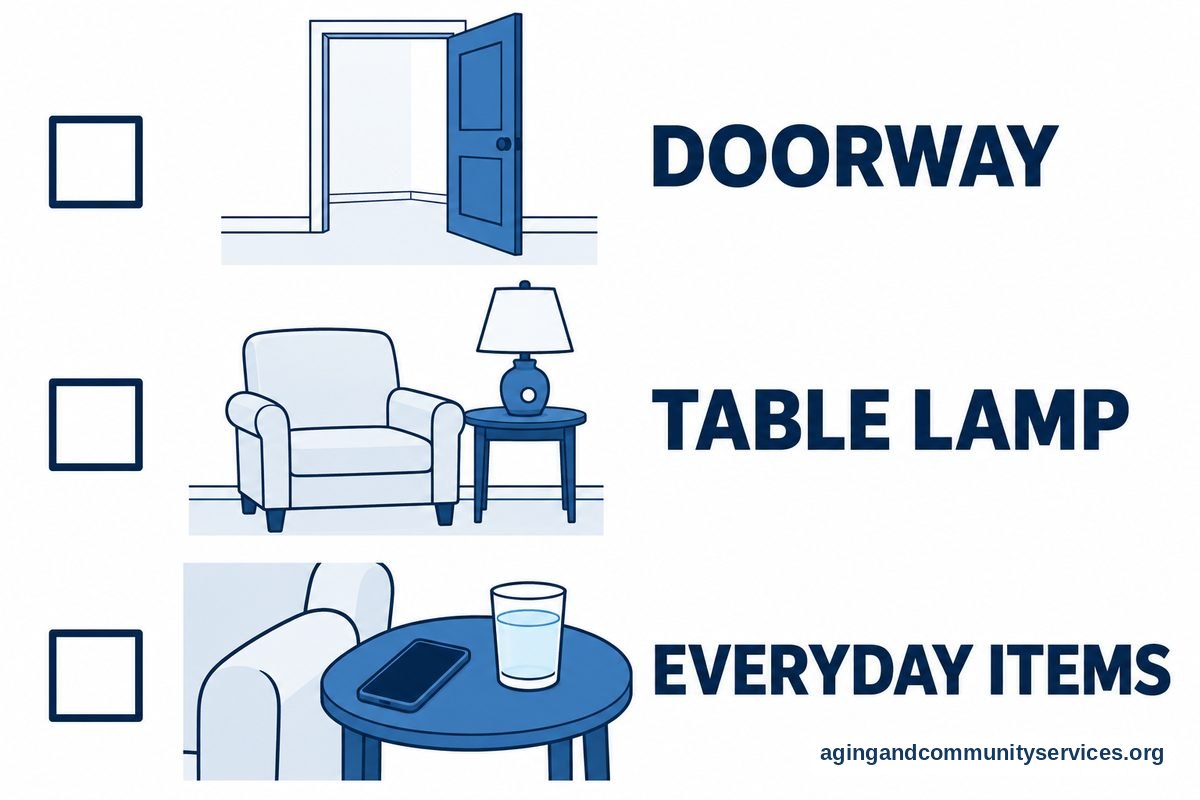
- Make the home easier: Clear pathways, improve lighting, reduce tripping hazards, and keep needed items within reach.
- Support confidence: Encourage small, safe steps rather than pushing too hard or doing everything for the person.
If you need local help with services, transportation, meals, caregiver support, or home related resources, the federal Eldercare Locator can help families find local aging services. It can be a useful starting point when you are not sure what support exists nearby.
Frequently Asked Questions
Is it normal to decline after a fall?
Some change after a fall is common, but it should not be ignored. Pain, fear, poor sleep, less movement, medicine issues, or an injury may all play a part. A doctor or therapist can help sort out what may be contributing.
Why does an elderly person seem weaker after falling?
Weakness may happen because the person is moving less, eating less, sleeping poorly, or guarding against pain. It can also be related to a health or medicine change. Medical follow up is a good idea if weakness is new, sudden, or getting worse.
Can fear of falling cause decline?
Fear can lead a person to avoid walking, bathing, errands, or social visits. When daily activity shrinks, strength and confidence may also shrink. Gentle support, safer routines, and therapy guidance can help the person take steps that feel more manageable.
When should a family worry after a fall?
Seek medical advice right away for a head hit, new confusion, strong pain, trouble walking, fainting, dizziness, unusual sleepiness, or symptoms that feel concerning. Also ask a clinician what to do if the person takes blood thinners.
How can family help without taking over?
Offer choices and focus on the next small step. Ask what feels hard, what feels unsafe, and what kind of help is welcome. Respectful support can make the person feel more secure without removing independence.
Who can help after an elderly person falls?
A doctor can review symptoms, medicines, and health changes. A physical therapist can look at strength and balance, and an occupational therapist can look at daily routines and home safety. Local aging services may also help with support at home.