

An elderly fall with head injury should be taken seriously, even when the person seems alert and says they feel fine. A head bump, cut, bruise, or change in behavior after a fall is a reason to contact a doctor, urgent care, or emergency services for guidance.
Family members often feel unsure about what to do first. The goal is to stay calm, avoid moving the person too quickly, notice changes, and get medical advice when there is any concern.
First Steps After a Fall With a Head Injury
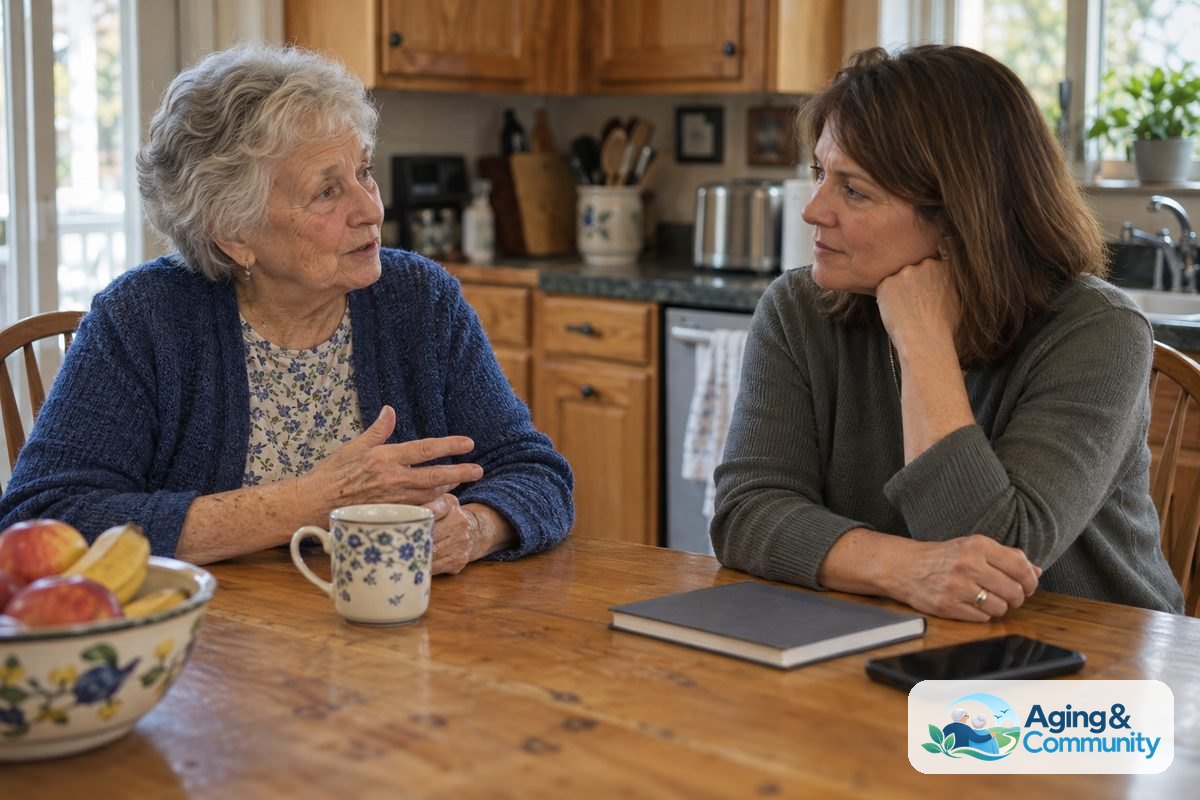
Start by checking whether the person is awake, breathing normally, and able to speak. If they are very drowsy, confused, in severe pain, bleeding heavily, or cannot get up safely, call emergency services.
If the person is on the floor, do not rush to lift them. Ask simple questions, such as their name, where they are, and what happened. This helps you notice confusion without putting pressure on them.
- Keep them still if they have neck pain, back pain, weakness, or trouble moving.
- Apply gentle pressure with a clean cloth if there is light bleeding from the scalp.
- Do not give food, drink, or medicine until a medical professional says it is okay.
- Write down the time of the fall and what you saw or heard.
- Call a doctor for advice, even if the injury looks small.
If you are not sure whether to call emergency services, it may help to read about who to call after a fall. When in doubt, it is reasonable to get professional help.
Signs to Watch For After a Head Bump
A head injury can look different from person to person. Some signs show up right away. Others may appear later, which is why it helps to observe the person closely and follow medical advice.
Call a doctor or seek urgent help if you notice any new or worsening change. This is especially important if the person takes blood thinners, has memory changes, lives alone, or cannot clearly explain what happened.
- New confusion, unusual sleepiness, or trouble staying awake
- Headache that gets worse or does not ease
- Vomiting, dizziness, or trouble walking
- Slurred speech, weakness, or changes in vision
- Bleeding, swelling, or a cut on the head
- A fall that was not witnessed, especially if they may have fainted
Try not to guess whether the injury is minor. A doctor, nurse line, urgent care, or emergency team can help decide what level of care is needed. If the person takes a blood thinner, this guide to an elderly fall on blood thinners can help you gather useful details before you call.
Why Older Adults Need Extra Care After a Fall
Falls can affect confidence, mobility, and daily routines. A head injury adds another layer of concern because changes may be subtle at first. The safest approach is to take the fall seriously and get clear instructions from a health professional.
Older adults may also have other health factors that shape the next steps. These can include vision changes, balance problems, medication side effects, foot pain, low blood pressure, or home hazards. A doctor, physical therapist, or occupational therapist can help review these issues.
The National Institute on Aging explains that regular exercise, vision checks, medication review, and safer home spaces can lower the risk of falls. These steps do not remove every risk, but they can support safer movement.
It may also help to understand what happens after a fall, including why medical teams may ask about pain, balance, medications, and the details of the accident.
Information to Share With the Doctor
When you call a doctor or go for care, clear details can make the conversation easier. You do not need to have perfect answers. Share what you know and say when something is uncertain.
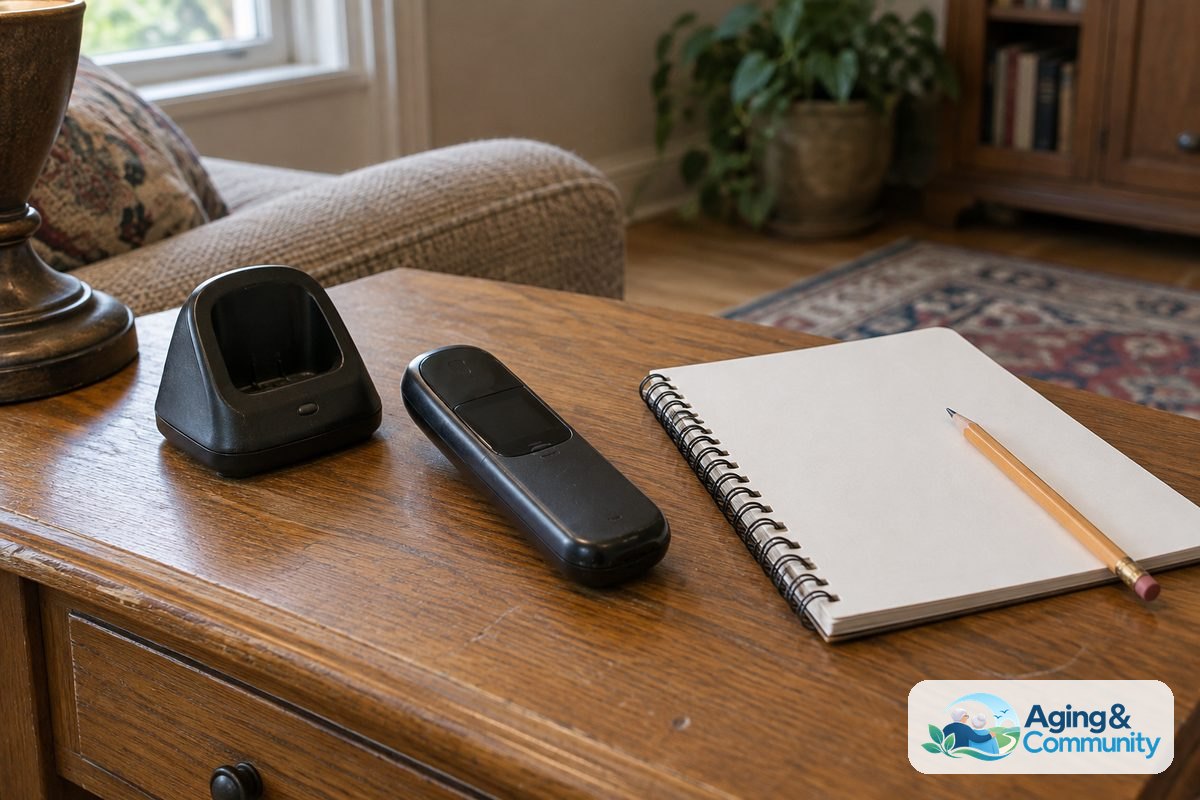
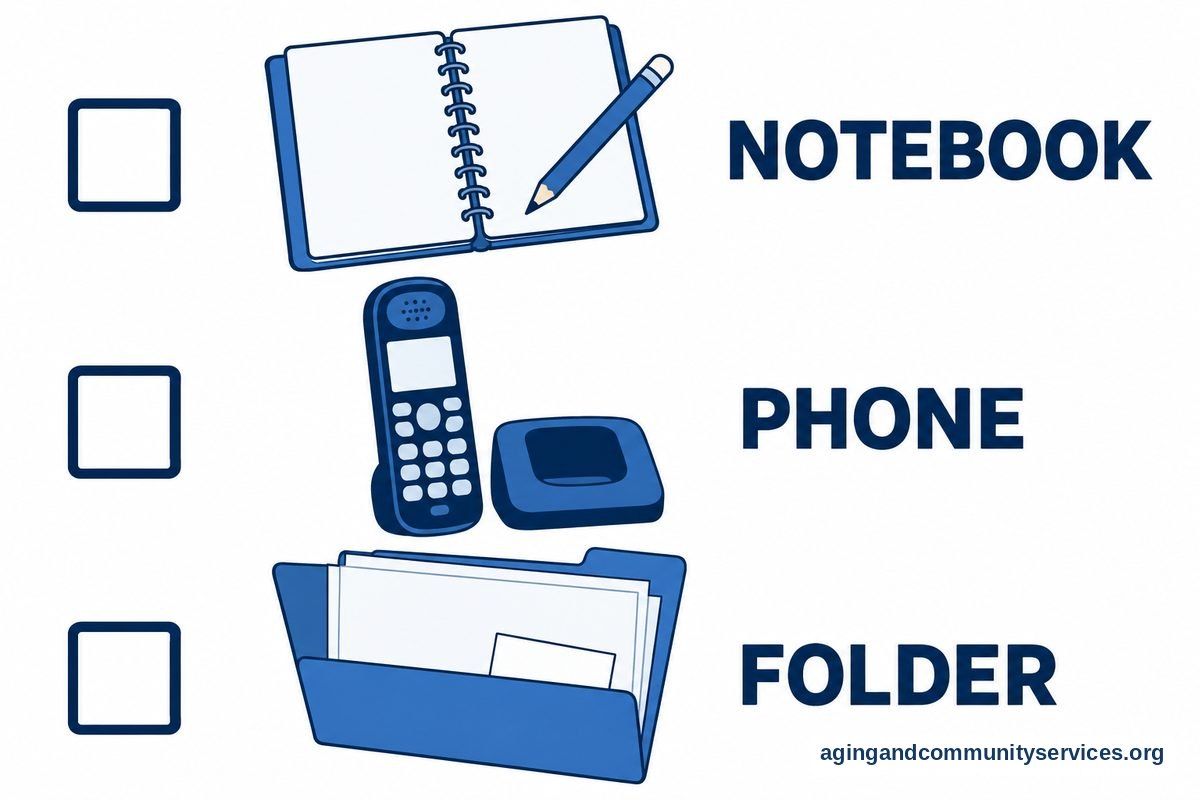
Use a note on your phone or a piece of paper. If another person saw the fall, ask them to describe it in simple terms.
| What to Note | Why It Helps |
|---|---|
| Time of the fall | Helps the care team understand when symptoms began |
| How the person landed | Shows whether the head, face, hip, or arm took the impact |
| Any loss of awareness | Helps the doctor decide what questions to ask next |
| Current medicines | Important for blood thinners, sleep medicines, and blood pressure medicines |
| New symptoms | Helps track changes in speech, balance, pain, or alertness |
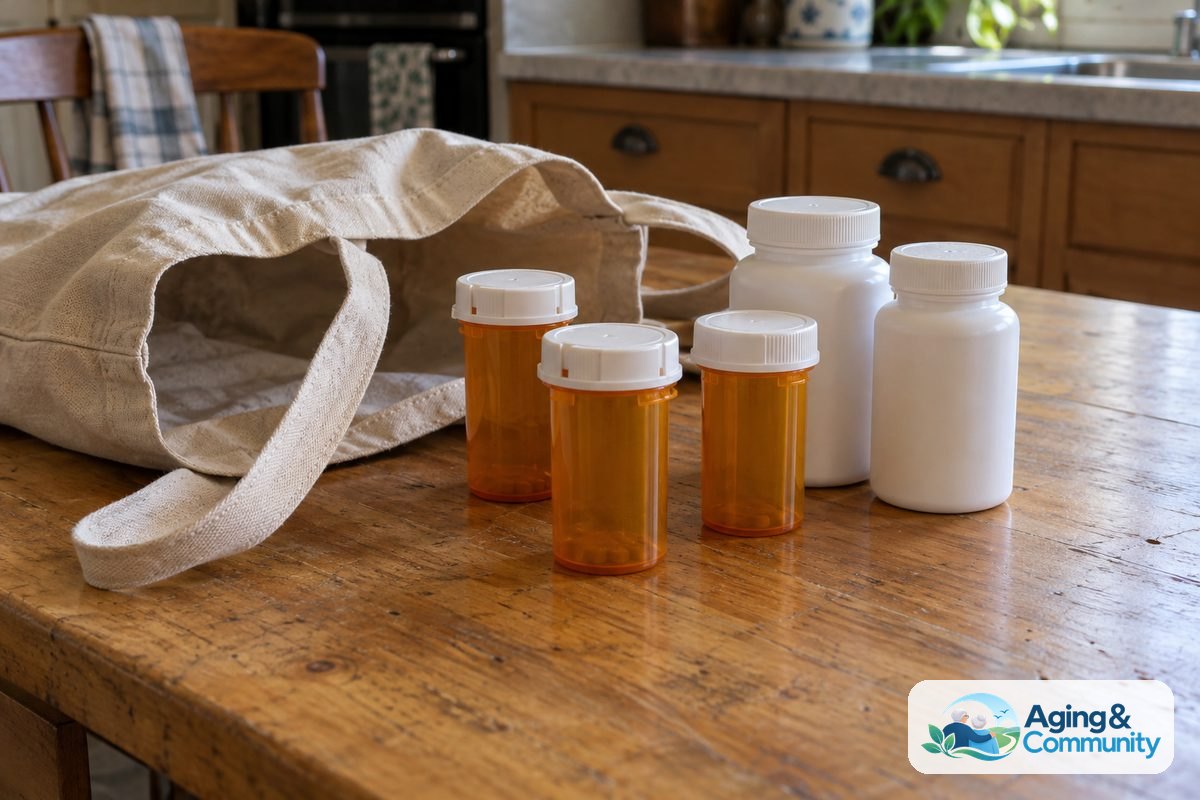
If the person has a medication list, bring it with you. Include prescriptions, over the counter medicines, vitamins, and supplements. If you do not have the list, bring the bottles or take clear photos of the labels.
Also share any recent falls, near falls, or changes in walking. A pattern may point to something worth reviewing, such as footwear, lighting, or how the person gets in and out of bed.
Making the Home Safer After the Fall
After the person has received medical guidance, the next step is to look at the setting where the fall happened. The goal is not to blame anyone. It is to make daily movement easier and safer.
Start with the path the person uses most often. This may be from the bed to the bathroom, from the chair to the kitchen, or from the front door to the living room.
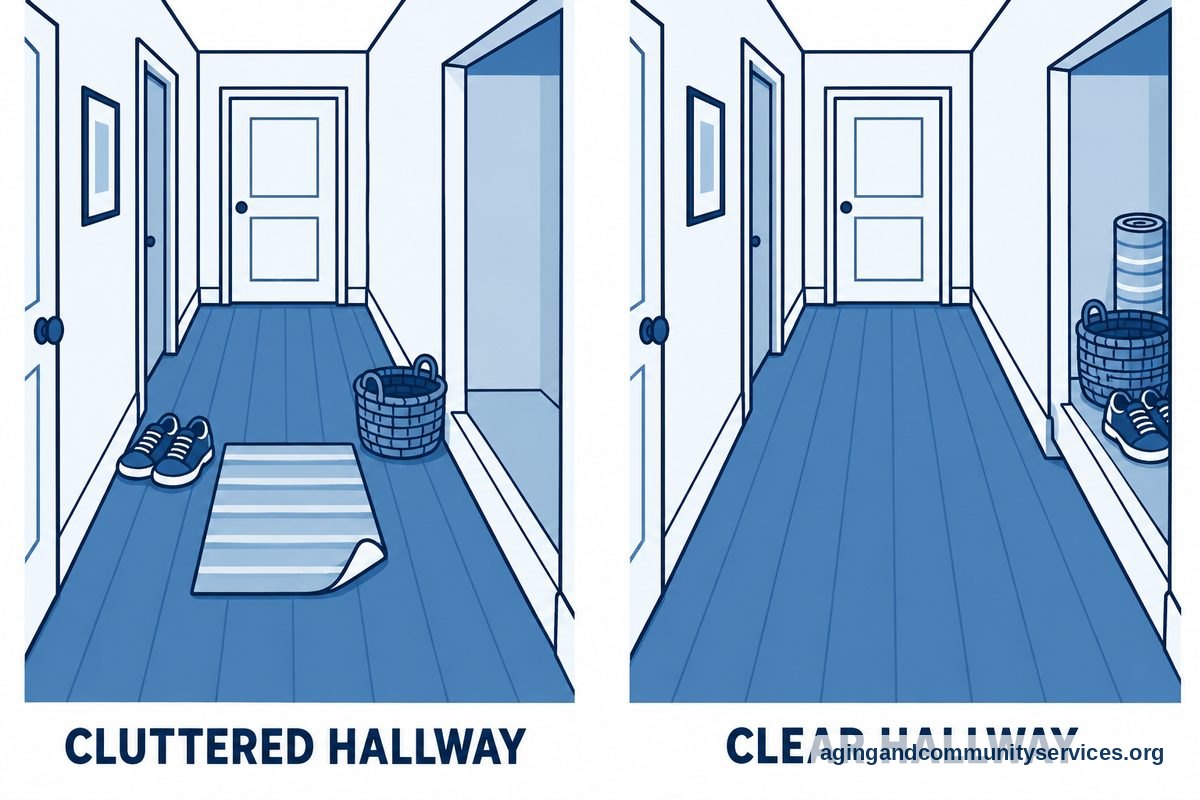
- Move cords, shoes, baskets, and loose rugs out of walking paths.
- Add brighter lighting in halls, bedrooms, stairs, and bathrooms.
- Keep glasses, hearing aids, walkers, and phones within easy reach.
- Check that shoes fit well and have firm, non slip soles.
- Ask a doctor or pharmacist to review medicines that may affect balance or alertness.
- Consider a physical therapist or occupational therapist if walking, transfers, or bathing feel unsafe.
A room by room fall prevention checklist can make this easier to do in small steps. You can focus on one area at a time instead of trying to change the whole home at once.
The National Council on Aging also encourages practical steps such as talking with health care providers, checking vision, and making the home safer to lower fall risk.
What You Can Do Next
Once immediate medical needs are addressed, families can help by organizing information and planning support. These steps are practical and non medical, but they can make follow up care smoother.
- Write a short fall summary. Include the time, place, possible cause, head impact, symptoms, and who was contacted.
- Set up a check in plan. If the person lives alone, arrange calls or visits as advised by a doctor.
- Gather key documents. Keep medication lists, doctor names, insurance cards, and emergency contacts in one easy place.
- Ask about therapy referrals. A doctor can advise whether a physical therapist or occupational therapist may be helpful.
- Review the fall location. Look for clutter, poor lighting, loose rugs, wet floors, uneven steps, or hard to reach items.
- Plan the follow up visit. Bring notes about symptoms, sleep, appetite, mood, walking, and any new concerns.
If falls have happened more than once, it may be useful to learn about fall management steps and discuss them with a health professional. A steady plan can support independence while respecting the person’s choices and routines.
Frequently Asked Questions
What should I do after an elderly fall head injury?
Check whether the person is awake, breathing normally, and able to answer simple questions. Do not rush to lift them if they have pain, weakness, confusion, or trouble moving. Call emergency services for urgent symptoms, and contact a doctor for guidance even if the injury looks small.
When should I worry about an elderly fall with head injury?
Seek medical help right away for confusion, severe or worsening headache, vomiting, weakness, slurred speech, heavy bleeding, seizure like activity, or trouble staying awake. Also get advice if the fall was not witnessed or the person takes blood thinners.
Can symptoms appear later after an elderly fall head injury?
Yes, some changes may appear after the first few hours. Watch for new sleepiness, dizziness, headache, mood changes, balance trouble, or confusion. Follow the instructions from the doctor or care team about how long to observe and what to do if symptoms change.
Should an older person sleep after a fall with a head injury?
Ask a doctor or nurse for advice, because the answer depends on the person and the injury. If they are unusually hard to wake, more confused, or not acting like themselves, seek urgent help. Do not rely on sleepiness alone to decide whether they are okay.
What information should I give the doctor after an elderly fall head injury?
Share when and where the fall happened, how the person landed, whether they hit their head, and what symptoms you noticed. Bring a medication list, especially blood thinners, sleep medicines, and blood pressure medicines. Mention recent falls, dizziness, or changes in walking.
How can family help after an elderly fall with head injury?
Family can help by arranging medical follow up, keeping notes, checking the home for hazards, and setting up calm check ins. It also helps to respect the person’s preferences and include them in decisions whenever possible.