

Learning how to use cpap while camping is simple once you have a reliable portable power source and the right cords. You do not have to leave your nighttime breathing equipment behind when you spend time in nature. With a little advance planning, you can rest comfortably under the stars and keep up with your regular routine.
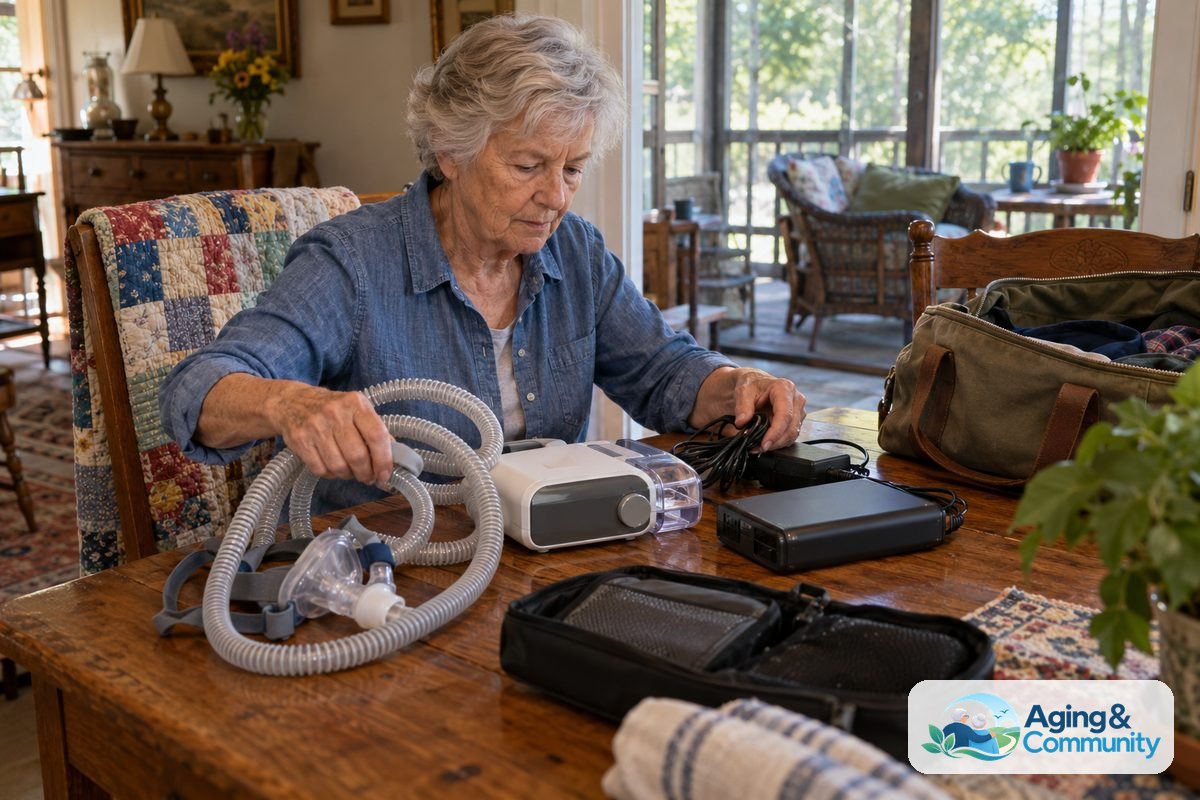
How to Use a CPAP Machine While Camping
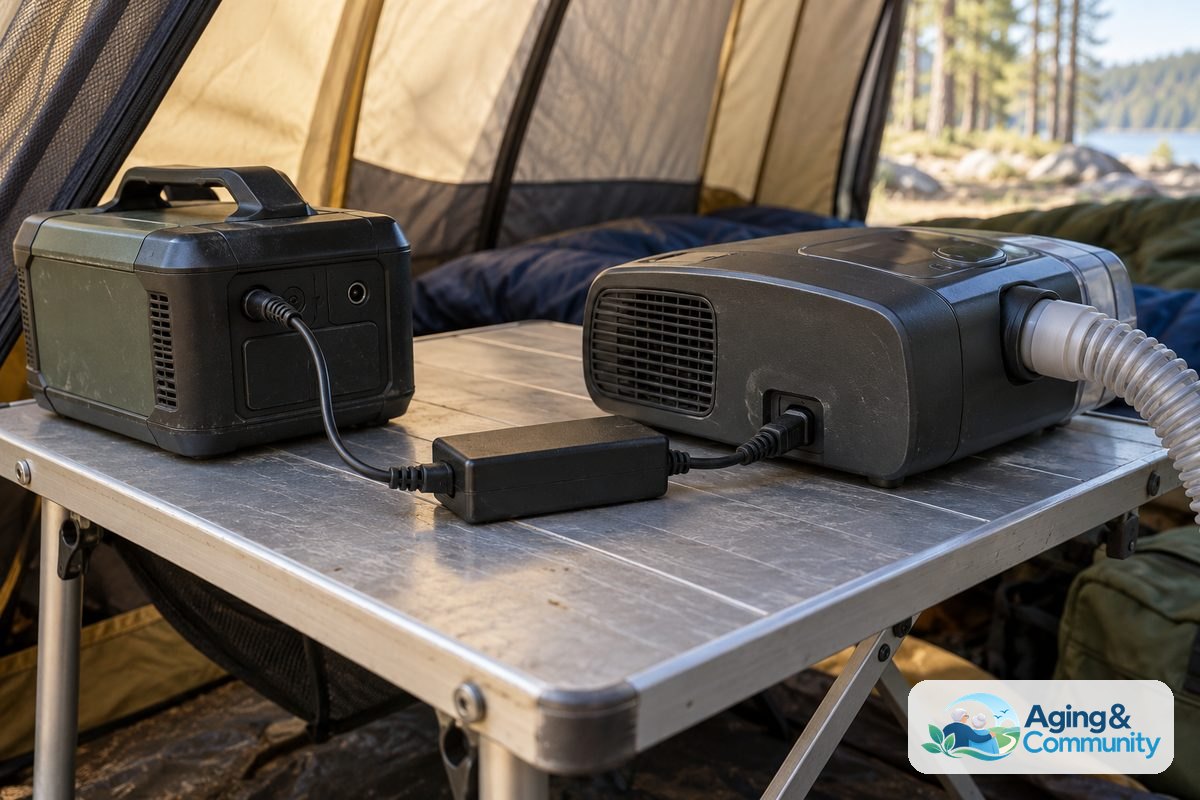
- Choose the right portable power supply. A deep-cycle marine battery, a portable power station, or a dedicated CPAP battery pack can run your machine for one or more nights away from wall outlets.
- Turn off the heated humidifier and heated tube. Heating water and air takes a large amount of electricity, so switching these features off helps your battery last much longer.
- Use a direct current converter cord. A direct current adapter plugs right into your battery port and uses far less energy than running a standard household wall plug through an inverter.
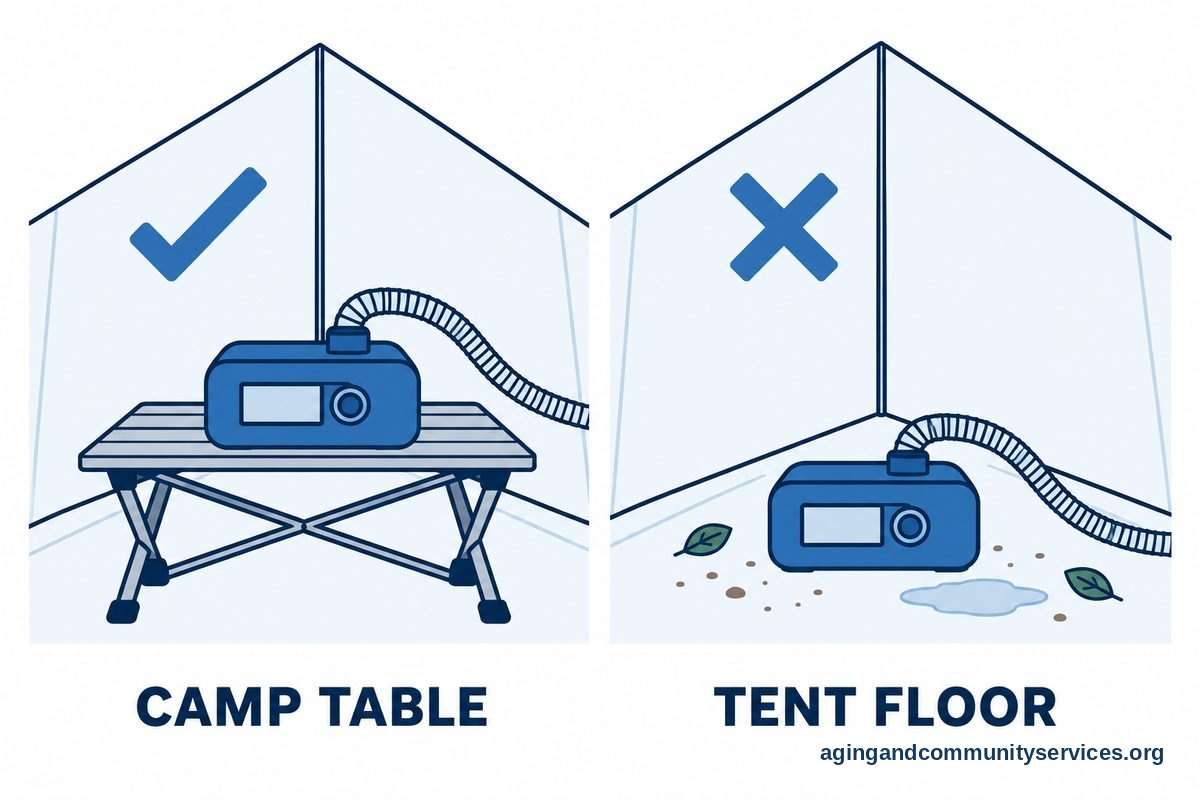
- Set up your gear off the ground. Place your device on a flat, clean surface like a camp table or a sturdy storage bin so dirt, sand, and insects do not enter the air intake.
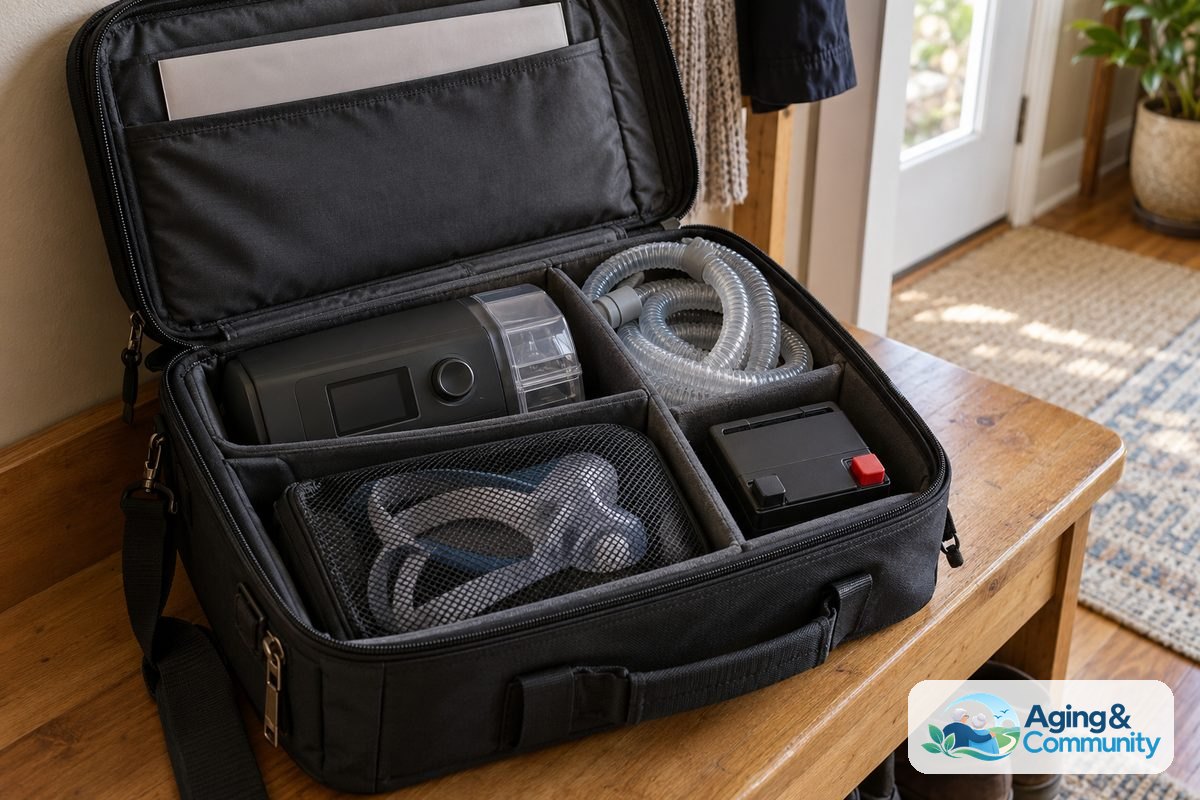
- Keep spare parts in sealed bags. Extra tubing, clean filters, and spare headgear stay dry and clean inside clear zip-top plastic bags until you need them.
- Test your setup at home first. Run your equipment on battery power for a full night in your bedroom to ensure you know how long the battery lasts before you leave home.
Common Mistakes to Avoid
- Relying on a vehicle battery all night, which can drain your car engine battery and leave you stranded.
- Leaving the heated moisture chamber turned on, which drains portable power packs in just a few hours.
- Placing your device directly on a tent floor or damp ground where dust, moisture, and leaves clog the air filter.
- Forgetting to bring the correct direct current cord or proprietary adapter designed for your specific device model.
- Packing equipment into hot car trunks during high heat, which can damage delicate electronics and silicone mask cushions.
When to Seek Professional Advice
Before planning an extended trip into remote areas, speak with your equipment supplier or medical team. If you are unsure whether your battery can maintain your prescribed pressure settings for several nights, your medical equipment provider can verify the electrical draw. They can also explain how to use wheelchair with commode equipment or how to choose a cpap machine and mask that works well for travel.
If you experience unusual daytime tiredness, morning headaches, or persistent air leaks after spending nights outdoors, schedule a check-in with your doctor. Tell your clinician where you slept, the elevation of your campsite, and how your device performed. For older adults who need local assistance or support connecting with healthcare resources while traveling across the country, the Eldercare Locator offers nationwide connections to local community agencies.
How to Use a CPAP Machine on a Plane
Many people who enjoy outdoor trips travel by air to reach national parks or family cabins. The Federal Aviation Administration views sleep equipment as medical assistive devices, just like learning how to use a quad cane safely, which means airlines do not count your travel bag as standard carry-on luggage. You should never pack your device in checked luggage because it could get lost, delayed, or damaged by rough handling.
To run your machine during a flight, contact your airline at least forty-eight hours before your departure date. Ask about their rules for in-flight medical equipment and whether your seat has an active power receptacle. Most airlines require you to use an approved battery rather than relying on seat power, as in-seat outlets can turn off during turbulence, taxiing, and landing. Always carry a copy of your equipment documentation and doctor prescription inside your travel bag.
Tips for Comfort and Cleanliness Outdoors
Camping can expose your equipment to dusty wind, campfire smoke, and chilly evening air. Keeping your gear clean ensures your air supply remains fresh. Wipe down your mask cushion each morning with an unscented wipe, and keep your equipment zipped inside your tent during the daytime to shield it from blowing dirt.
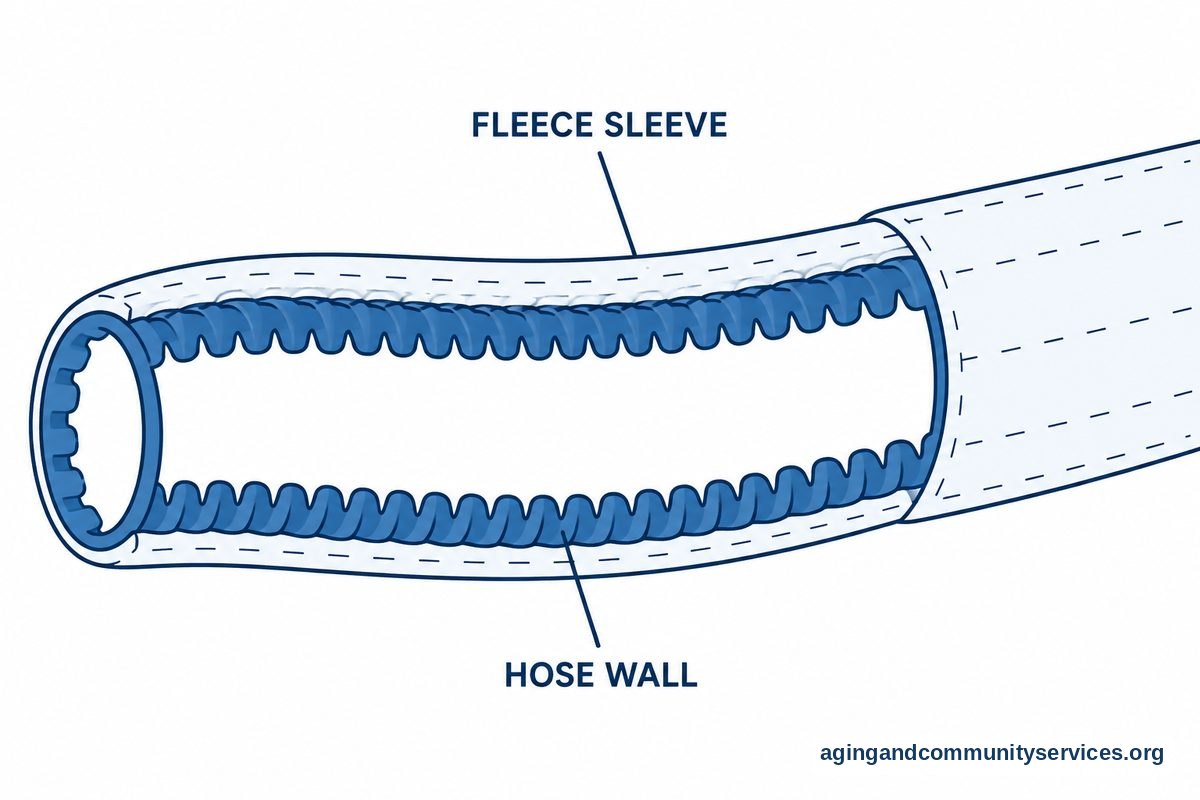
Cold night air inside a tent can also cause condensation to form inside standard tubing. You can wrap your hose in a fleece sleeve to keep the air inside warmer. If you get a stuffy nose from cooler temperatures or seasonal pollen, you can review tips on how to use cpap when congested before leaving home. Additionally, if you plan to replace your current unit with a dedicated travel device, you might wonder does medicare cover cpap machines meant specifically for recreational travel.
Frequently Asked Questions
How to use a cpap camping without electricity?
You can power your device off the grid using a portable lithium power station, a dedicated travel battery pack, or a deep-cycle marine battery. To stretch the run time, turn off heating elements and use a direct current power cord. Many campers also use portable solar panels during the daytime to recharge their power stations for the next evening.
How to use cpap machine while camping in cold weather?
In cold temperatures, insulate your air hose with a cloth cover to minimize condensation inside the tubing. Keep your portable battery warm by wrapping it in a dry towel or keeping it inside your sleeping area, because freezing temperatures can cause batteries to lose charge quickly.
How many nights will a portable battery last?
A typical lithium battery pack runs a standard unit for one to two nights if the humidifier and heated tubing are turned off. If you use heating features, the same battery may last only three to four hours. Checking the watt-hour rating on your battery helps you determine how much power you have available.
Can I plug my machine into my car?
You can plug your device into a vehicle auxiliary outlet using an approved adapter, but doing so while the engine is turned off can completely drain your car starting battery. It is safer to use an independent portable power pack that you charge from the car while driving during the day.