

Elderly fall statistics show that falls are common, serious, and often connected to everyday risks in the home and routine. For many families, the most useful takeaway is not fear, but a clear sense of where falls happen, why they matter, and what steps may help lower risk.
Falls are one of the leading safety concerns for older adults. They can happen during simple moments, such as getting out of bed, walking to the bathroom, reaching for a shelf, or stepping outside. The numbers help explain why doctors, physical therapists, occupational therapists, and family caregivers often ask about falls at routine visits.
What Elderly Fall Statistics Tell Us
The National Council on Aging says that about one in four Americans age sixty five and older falls each year. It also notes that falls are a leading cause of injury for this age group. These facts are often repeated because they show that falls are not rare or unusual.
The National Institute on Aging explains that falls can be linked to many factors, including changes in balance, vision, medicines, home hazards, and health conditions. Its guide to falls and fall safety gives a broad overview for families who want a trusted starting point.
Statistics also show that many falls are not reported. A person may feel embarrassed, worry about losing independence, or think the fall was not important because they got up on their own. Still, sharing even a minor fall with a doctor can help start a useful conversation.
Numbers are helpful, but they do not tell the whole story. A fall risk can be shaped by the home, shoes, lighting, strength, balance, medicines, and daily routines. That is why a practical plan often looks at more than one area.
Why Falls Happen More Often With Age
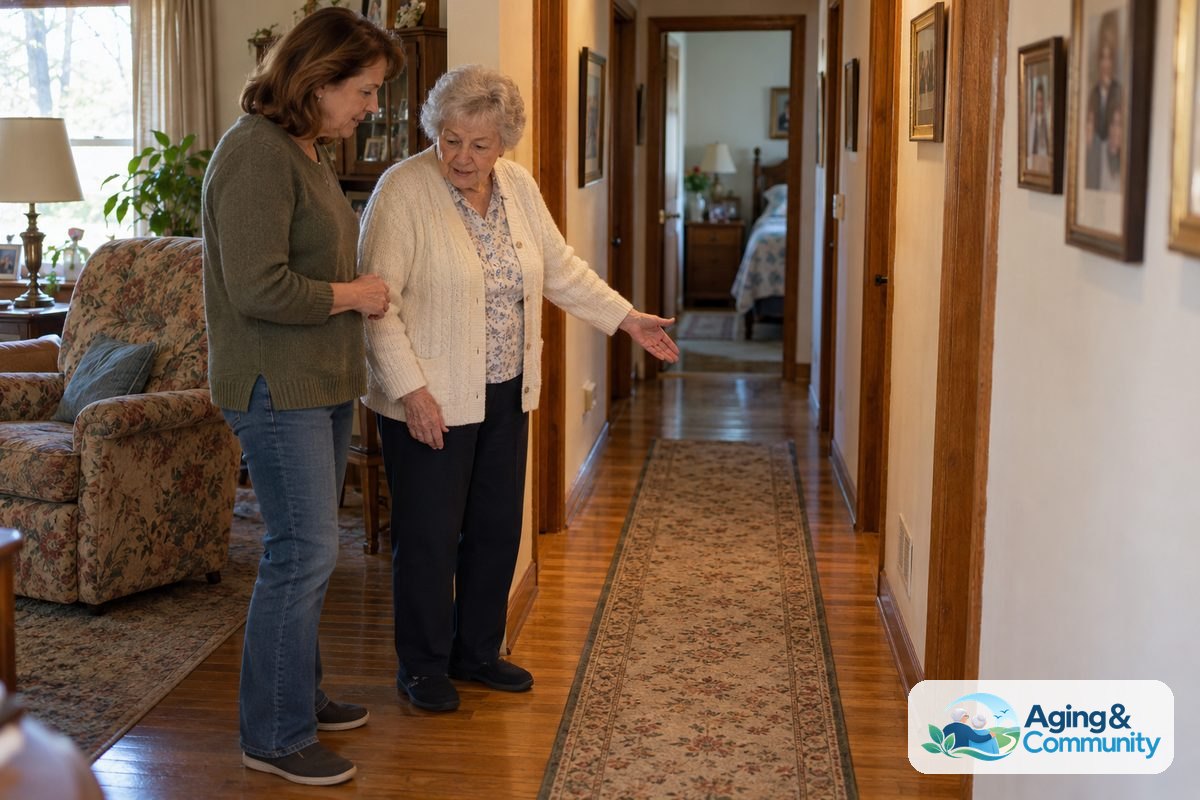
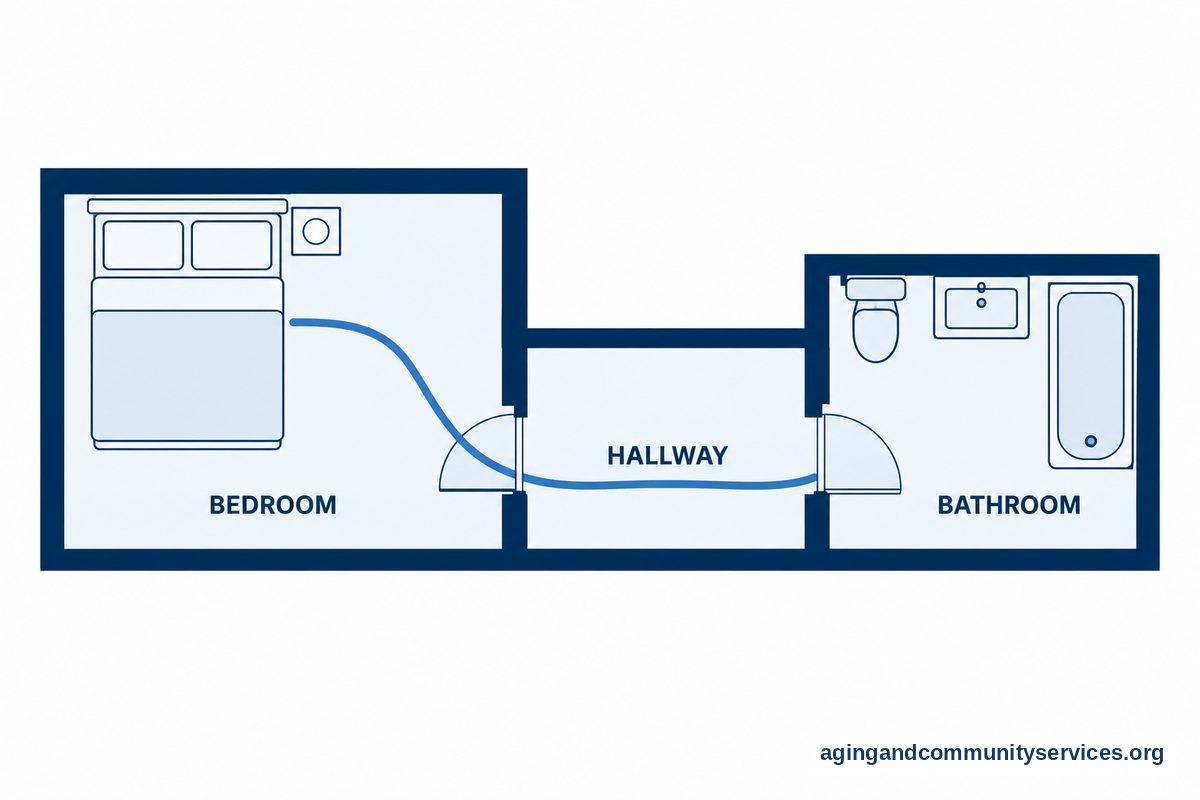
Falls usually do not have one single cause. They often happen when a few small risks come together. For example, a dark hallway, a loose rug, and rushing to the bathroom can make one ordinary trip across the house less steady.
Common risk factors include:
- Poor lighting in halls, bedrooms, bathrooms, and stairs
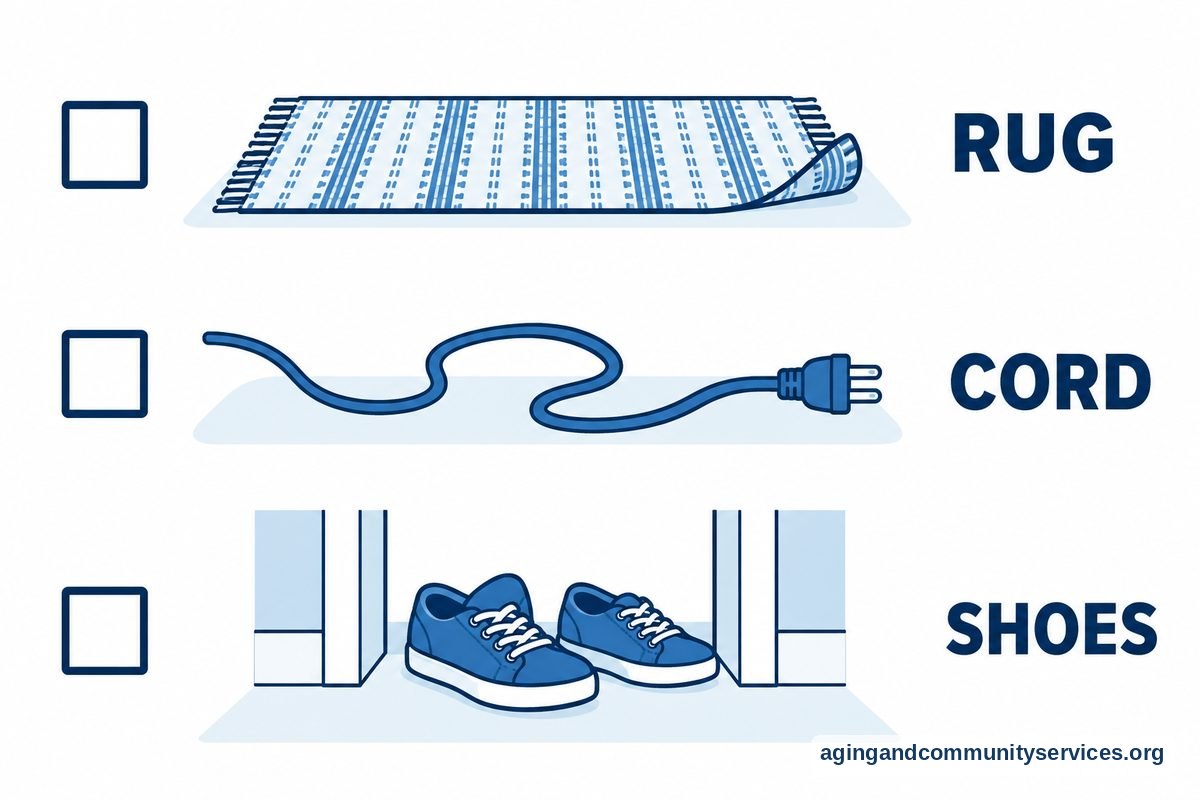
- Loose rugs, cords, clutter, or uneven flooring
- Shoes or slippers that do not fit well
- Medicines that may affect balance, alertness, or blood pressure
- Changes in vision, hearing, strength, or balance
- Pets, steps, wet floors, and outdoor surfaces
If you want more detail on common causes, this plain-English guide to why elderly people fall explains everyday reasons families often overlook.
It is also worth looking at timing. Some falls happen at night, during bad weather, after a change in medicine, or after a hospital stay. Tracking the setting can help a doctor, physical therapist, or occupational therapist understand what may be going on.
Senior Fall Statistics and Injury Risk
Senior fall statistics are often discussed because a fall can lead to injury, pain, a hospital visit, or a loss of confidence. Not every fall causes major harm. Still, even a fall without a serious injury can change how a person moves around the house.
The facts on falls from the National Council on Aging say that falls are the leading cause of fatal and nonfatal injuries for Americans age sixty five and older. That does not mean every fall has the same outcome. It means families should take fall history seriously and talk about it early.
After a fall, some people begin to limit activities because they are worried about falling again. That choice is understandable. But less movement may affect strength and confidence, so it is wise to ask a health professional what level of activity is safe and helpful.
Families can also review what happened right after the fall. A guide to what happens after a fall can help caregivers think through follow-up steps, warning signs to discuss, and questions to ask.
Elderly Falls and Death: What the Data Means
The phrase elderly falls and death can feel heavy, but it is a common search because families want honest information. Falls can be connected with serious outcomes, especially when injuries are severe or when recovery is difficult. The important point is to use the information calmly and practically.
Fall-related deaths are tracked by public health groups because they show where safety work is needed. These statistics are not meant to make families feel helpless. They are meant to guide better home setup, safer routines, and better conversations with care professionals.
Some risks may be reduced when families address hazards, review medicines with a doctor or pharmacist, and ask about strength and balance support. The National Institute on Aging says exercise, medicine review, vision checks, and home safety changes can lower the risk of falls for many people. A doctor, physical therapist, or occupational therapist can help decide what fits the person.
If a fall includes a head hit, new pain, confusion, weakness, trouble walking, or any change that worries you, contact a medical professional. If the situation seems urgent, use emergency services. This article cannot judge what is happening for one person.
Falls and Death in Older Adults: Patterns Families Notice
Falls and death in older adults are often discussed together because serious injuries can affect health, mobility, and independence. But the pattern is not only about one event. It is also about what happens before and after a fall.
Families often notice changes such as slower walking, holding furniture for support, avoiding stairs, or being less willing to leave home. These changes do not always mean a fall will happen. They are signs that a safety conversation may be useful.
It may help to ask simple questions:
- Has there been a fall in the past several months?
- Was there a near fall, stumble, or loss of balance?
- Did the person avoid telling anyone about a fall?
- Are there new medicines or changed doses?
- Are there areas of the home that feel unsafe?
For a room-by-room review, families can use a home fall safety checklist to spot common trip and slip risks. A checklist is not a medical tool, but it can make the home review easier.
How to Read Fall Statistics Without Feeling Overwhelmed
Statistics are averages across large groups. They do not predict exactly what will happen to one person. A person with several risk factors may never fall, while someone who seems steady may trip on a loose step.
Use the numbers as a prompt, not a prediction. If the statistics make you think of a recent fall, an unsafe bathroom, or a change in walking, that is useful information. It gives you a place to start.
A calm approach can include three steps:
- Notice patterns. Write down when falls or near falls happen, including time of day and location.
- Review the home. Look for lighting, clutter, rugs, cords, steps, and bathroom supports.
- Ask for help. Bring concerns to a doctor, physical therapist, or occupational therapist.
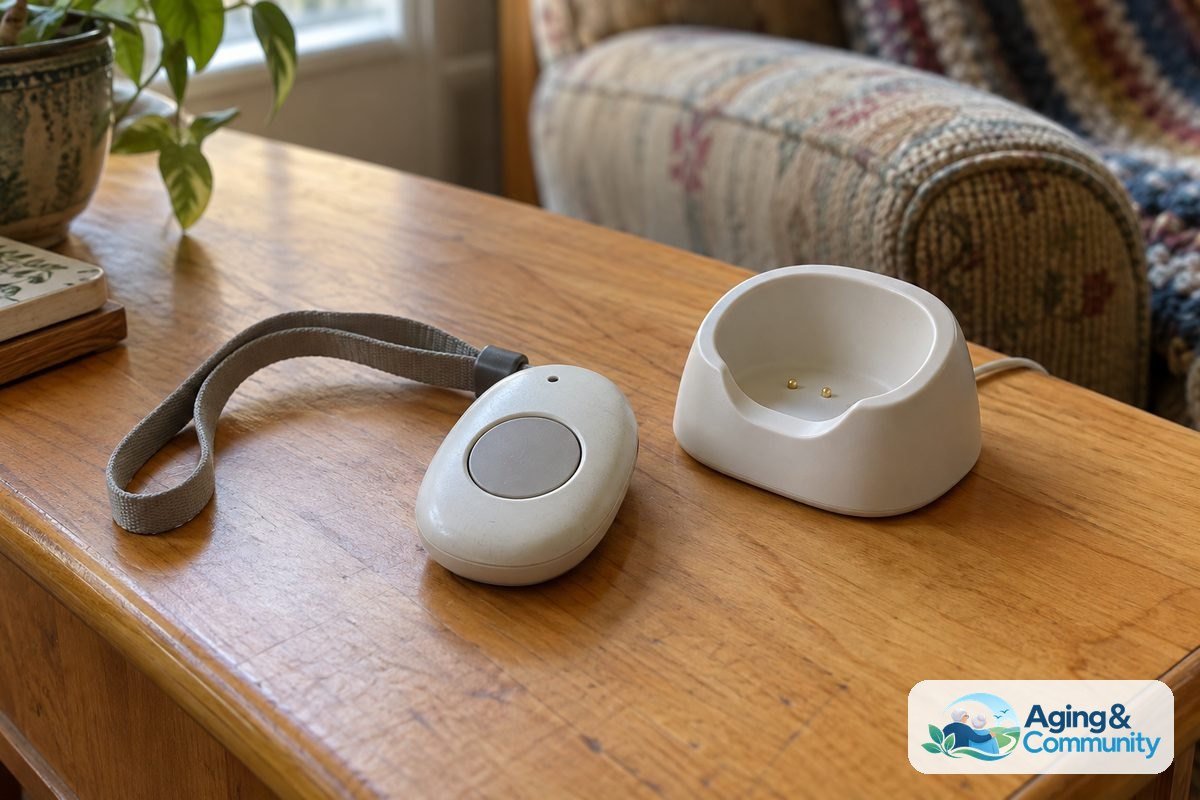
Some families also look into fall alert devices as one part of a larger safety plan. Devices do not replace a home review or medical advice, but they may help some people call for help more easily.
What You Can Do Next
You do not need to fix everything at once. Start with the areas where a fall would be most likely, such as the bathroom, bedroom, stairs, entryway, and the path to the kitchen. Small changes can make daily movement feel more organized and less rushed.
Practical next steps include:
- Remove loose rugs or secure them so edges do not curl.
- Clear walking paths of cords, shoes, bags, and small furniture.
- Add bright, easy-to-reach lighting near beds, halls, and bathrooms.
- Place often-used items where they can be reached without climbing.
- Use shoes or slippers that fit well and have supportive soles.
- Ask a doctor or pharmacist to review medicines that may affect steadiness.
It can also help to ask about balance, strength, and walking during a regular health visit. A physical therapist may suggest movement options that fit the person. An occupational therapist may suggest safer ways to use the bathroom, kitchen, stairs, or bedroom.
Talk about falls in a respectful way. Instead of saying, You cannot do that anymore, try, Let us make this easier and safer for you. The goal is to support independence, not take it away.
Frequently Asked Questions
What are the most important elderly fall statistics?
One key statistic is that about one in four Americans age sixty five and older falls each year, according to the National Council on Aging. Falls are also a leading cause of injury in this age group. These facts show why fall history, home safety, and balance concerns deserve attention.
What do senior fall statistics mean for families?
Senior fall statistics mean families should treat falls as common and worth discussing, not as a personal failure. If someone has fallen, nearly fallen, or changed routines because of fear of falling, it may be time to review the home and talk with a health professional.
How are elderly falls and death connected?
Elderly falls and death are connected in public health data because some falls lead to severe injuries or hard recoveries. This does not mean every fall is life threatening. It means falls should be reported, discussed, and followed up with care.
Why are falls and death in older adults tracked?
Falls and death in older adults are tracked so public health experts, care teams, and families can understand risk patterns. Tracking helps guide safety advice, home changes, and conversations about strength, balance, medicines, and vision.
What should I do after an elderly person falls?
Stay calm and check whether the person is hurt, confused, weak, or unable to get up safely. If there is a head hit, severe pain, new confusion, trouble walking, or anything urgent, seek medical help right away. Even after a minor fall, it is wise to tell a doctor.
Can fall risk be lowered at home?
The National Institute on Aging says exercise, medicine review, vision checks, and home safety changes can lower fall risk for many people. Families can start with clearer paths, better lighting, safer footwear, and a conversation with a doctor, physical therapist, or occupational therapist.