

Fall detection and prevention for the elderly is a practical review of trends and challenges in keeping daily life safer, more connected, and more comfortable at home. The main idea is simple: detection helps someone know when a fall may have happened, while prevention focuses on changes that can lower risk, especially when guided by a doctor, physical therapist, or occupational therapist.
Today, families can choose from wearable alerts, home sensors, phone features, and simple home updates. The challenge is finding tools that fit real routines, respect privacy, and are easy enough to use every day.
What Fall Detection Means
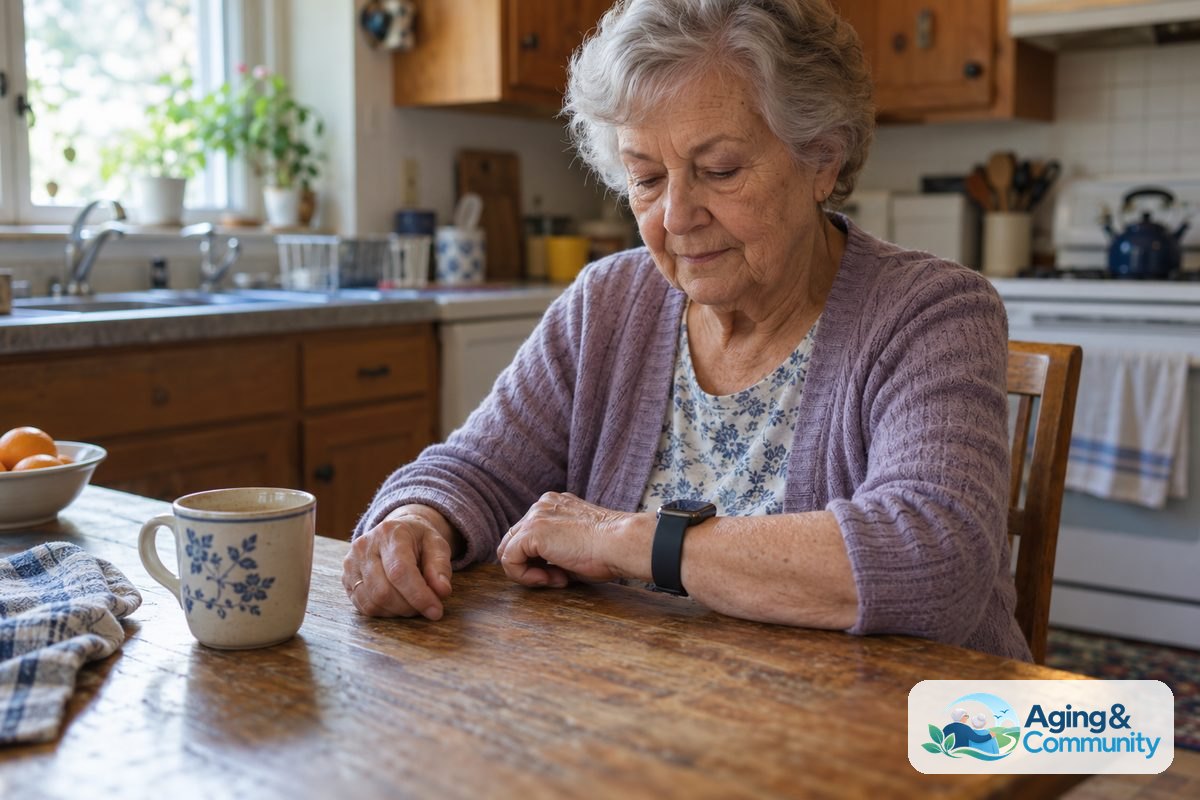
Fall detection is a feature that tries to notice a sudden drop, hard impact, or unusual lack of movement. It may be built into a pendant, watch, phone, wall sensor, or home monitoring system.
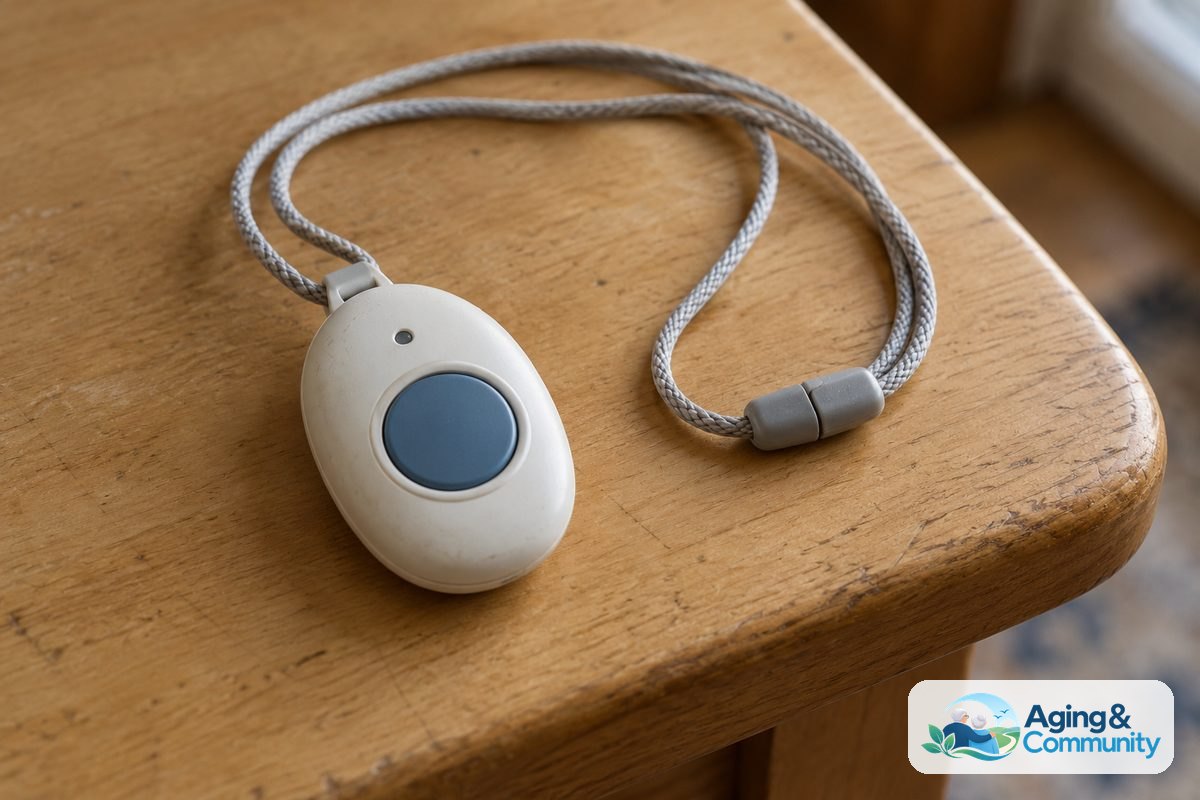
Most systems are meant to send an alert to a caregiver, monitoring center, or chosen contact. Some require the person to press a button. Others try to send an alert on their own if the device senses a possible fall.
It helps to understand that fall detection is not the same as emergency care. It is a notification tool. A device may help bring attention to a possible problem, but it cannot replace a plan for who responds, how they enter the home, and when to call local emergency services.
For a broader look at device types, a guide to elderly fall alert devices can help families compare common options without focusing only on one product style.
Current Trends in Fall Detection Tools
One clear trend is that fall detection is moving into devices people already use. Watches and phones may include motion sensors, location sharing, and emergency contact features. This can feel less noticeable than a separate pendant, though it still requires charging, setup, and regular use.
Another trend is home based sensing. Some systems use wall mounted sensors, motion patterns, or smart speakers to notice changes in activity. These tools may appeal to people who do not want to wear a device all day, but they may work only in certain rooms or depend on a stable home setup.
Caregiver apps are also becoming more common. They may show alerts, battery status, location, or check in information. These features can be useful, but families should agree on what information is shared and who is responsible for watching alerts.
Many families also look for devices that are easier to wear and less medical looking. Comfort matters because a tool left on a dresser cannot help much. A simple design, clear buttons, and reliable charging habits may matter more than a long feature list.
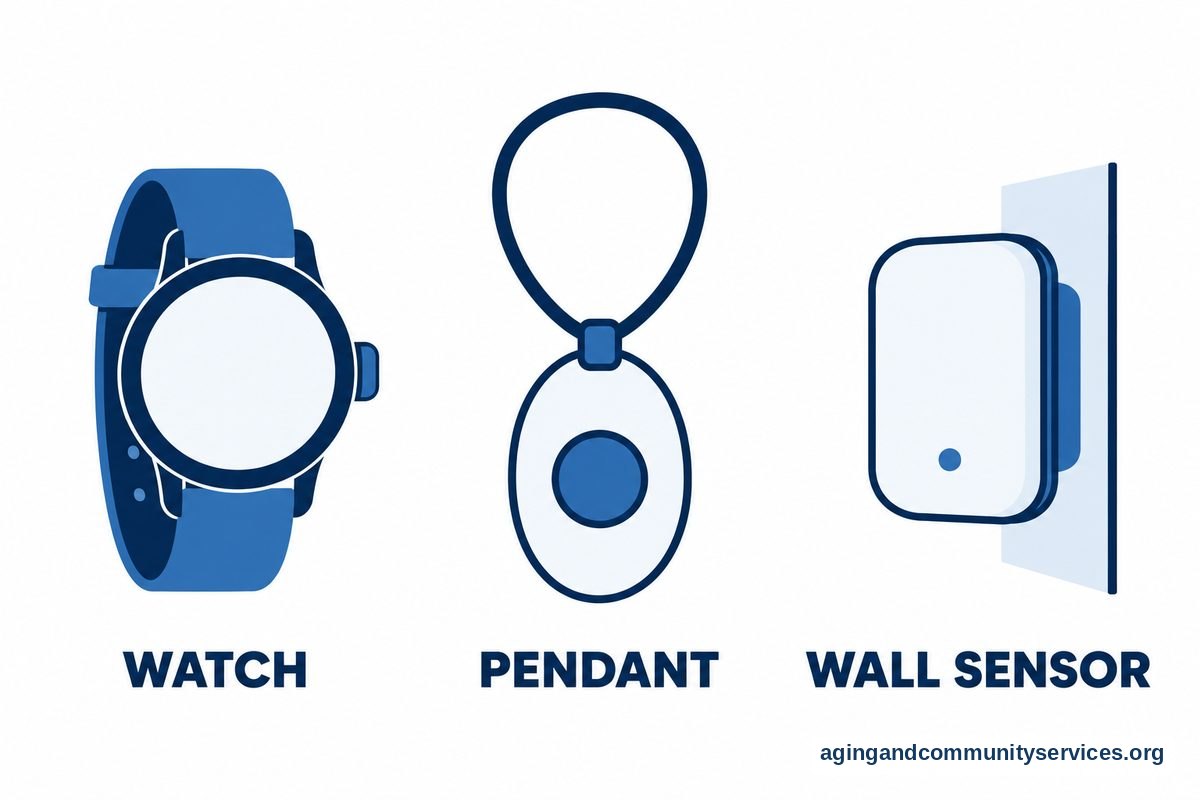
- Wearables: Watches, pendants, clips, and belt devices can keep an alert button close.
- Phones: Some phones include emergency sharing or motion based features.
- Home sensors: Room based systems may watch for unusual movement patterns.
- Caregiver apps: Shared alerts can help families respond with less confusion.
- Voice tools: Smart speakers may help someone call for help if they are able to speak clearly.
Main Challenges Families Should Expect
No fall detection tool is perfect. A device may miss a fall, or it may send an alert when no fall happened. This can be frustrating, but it is part of how motion based tools work.
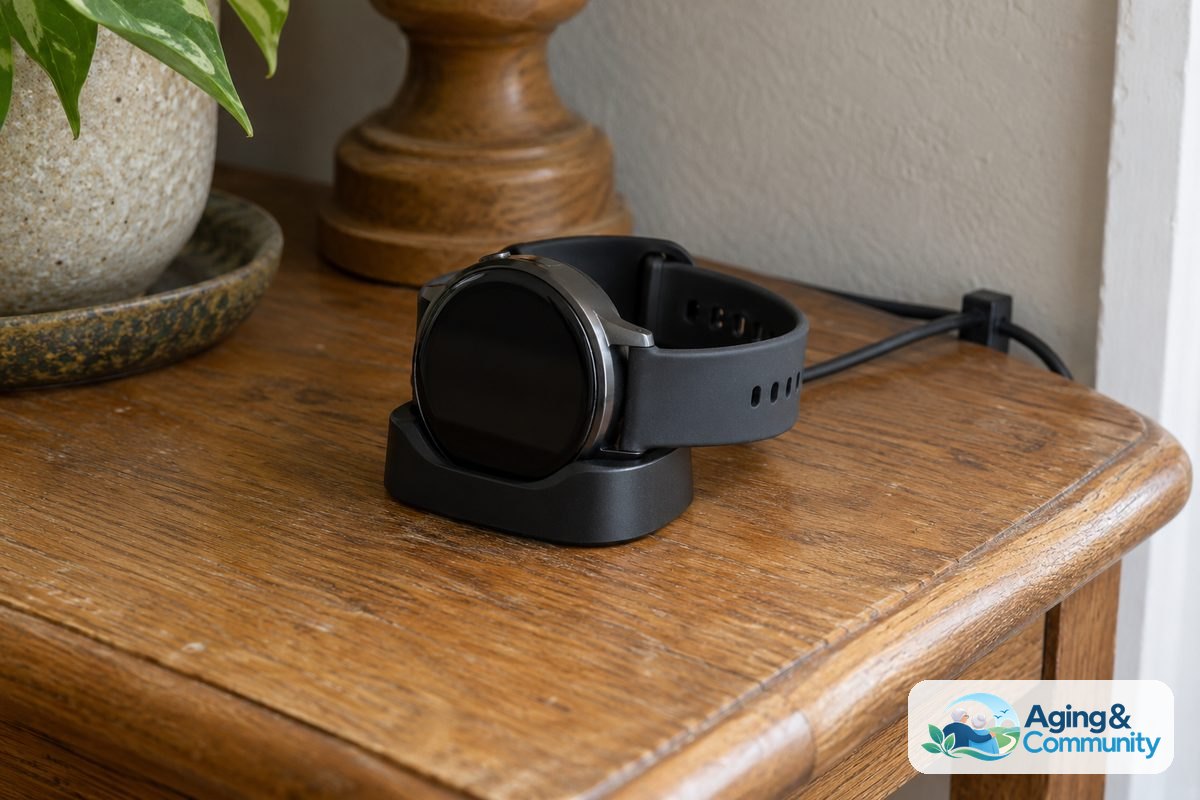
Battery life is another common issue. A device that needs frequent charging can become one more task in a busy day. Families may want a set charging spot, a backup plan, and a habit of checking battery status.
Comfort and dignity matter as much as technology. Some people do not want to wear a pendant or may feel watched by home sensors. A respectful conversation can help the person choose what feels acceptable rather than having a device chosen for them.
Privacy can also be a concern. Before using location sharing, cameras, or activity tracking, families should talk about who can see the information and why. The goal is support, not control.
Cost, service contracts, phone signal, internet access, and customer support may also affect the choice. Since needs can change, it may help to choose tools that are easy to adjust or stop using if they no longer fit.
How Prevention Fits With Detection
Detection is about response. Prevention is about lowering risk before a fall happens. The two work better together than either one alone.
The National Institute on Aging notes that steps such as exercise, vision checks, medicine reviews, and safer home spaces can lower the risk of falls. These steps should be discussed with a doctor, pharmacist, physical therapist, or occupational therapist, especially when balance, dizziness, foot pain, or medicines are involved.
Home changes are often simple. Better lighting, clear walkways, firm handrails, and grab bars in useful places may make daily movement easier. A room by room home safety checklist can help families notice hazards that are easy to miss during a normal day.
Footwear and daily habits also matter. Shoes that fit well, glasses that are current, and taking time when standing up can support steadier movement. If someone feels unsteady or has had a recent fall, it is wise to talk with a health professional rather than guessing at the cause.
Families often ask why falls happen in the first place. A plain language overview of common fall reasons can be a helpful starting point for a calmer conversation with a clinician.

Choosing a Fall Detection Option
The right choice depends on the person, the home, and the support network. A tool should match normal routines, not require the person to change everything about the day.
Start with where help may be needed most. Some people want support in the shower or hallway. Others want coverage when walking outside, driving, gardening, or visiting friends.
Ask practical questions before choosing a device or system. The answers can narrow the options quickly.
- Will the person wear or carry it every day?
- Does it work inside and outside the home?
- Who receives alerts, and what should they do first?
- Does it need Wi Fi, cell service, or a smartphone?
- How often does it need charging?
- Can the person cancel a false alert easily?
It can also help to write a response plan. Include trusted contacts, door access instructions, medicine lists, pet notes, and preferred hospital information if the person wants to share it. Keep the plan where family or helpers can find it.
For people comparing home updates as well as alert tools, a guide to fall prevention products can help organize ideas such as lighting, rails, mats, and seating.
Trends That May Shape the Future
Fall detection tools are likely to become less noticeable and more connected to daily life. More devices may use patterns from walking, sleep, and activity to notice changes sooner. Families should still treat these tools as support, not as a substitute for medical advice or personal check ins.
Another trend is more focus on prevention. Instead of only alerting after a possible fall, some tools may point out changes in movement or routines. If a device raises a concern, the next step should be a conversation with a doctor, physical therapist, or occupational therapist.
There is also growing attention to clear setup, simpler language, and better caregiver roles. A tool that is hard to set up may not be used well. A tool that sends too many alerts may be ignored.
The National Council on Aging also emphasizes practical fall risk reduction, including home safety, exercise programs, and medication review with qualified professionals. This wider approach is useful because technology is only one part of a safer routine.
What the Reader Can Do Next
Start with a calm home walk through. Look at lighting, rugs, cords, stairs, bathroom areas, and the path from the bed to the bathroom. Make notes without blame, then choose one or two easy changes to handle first.
Next, talk with the person who will use any device. Ask what would feel helpful and what would feel intrusive. A device that supports independence is more likely to be accepted than one that feels forced.
- Make a contact list for alerts and check ins.
- Choose who responds first, second, and after hours.
- Ask a doctor or pharmacist about medicines, dizziness, vision, and balance concerns.
- Ask a physical therapist or occupational therapist about movement, home setup, and daily routines.
- Set a weekly time to charge devices and test buttons if the maker recommends it.
- Review the plan after any fall, near fall, home change, or health change.
If local support is needed, the Eldercare Locator can help families look for community services. It may also be helpful to read more about fall prevention for seniors when planning next steps with a family member.
Frequently Asked Questions
What is the difference between fall detection and fall prevention?
Fall detection tries to notice that a fall may have happened and send an alert. Fall prevention focuses on changes that may lower the risk of a fall, such as safer home spaces, movement support, and review of health concerns with qualified professionals.
Do fall detection devices always work?
No device works every time in every situation. Some may miss a fall, and some may send false alerts. It is best to use fall detection as one part of a wider plan that includes check ins, home safety steps, and clear response instructions.
Is a watch, pendant, or home sensor better?
There is no single right answer. A watch or pendant may help outside the home if it has service there, while home sensors may suit someone who does not want to wear a device. The better choice is the one the person will use consistently.
What should families ask before buying a device?
Ask who gets alerts, whether the device works away from home, how it charges, how false alerts are canceled, and what happens if cell or internet service is weak. Also ask about privacy settings and who can see location or activity information.
Can home changes lower fall risk?
According to national aging resources, steps such as improving lighting, removing trip hazards, reviewing medicines, checking vision, and using suitable exercise programs can lower the risk of falls. A doctor, physical therapist, or occupational therapist can help decide which steps fit the person.
When should someone talk with a professional?
It is wise to talk with a doctor after a fall, near fall, new dizziness, balance changes, vision changes, or concerns about medicines. A physical therapist or occupational therapist can also offer guidance on movement, daily tasks, and safer home setup.