

Learning how to choose cpap settings begins with your sleep physician, who determines your baseline air pressure through an overnight sleep study. While your doctor prescribes the exact pressure range, you can adjust comfort features like humidity, tubing warmth, and ramp time to make breathing feel completely natural. Understanding these controls helps you wake up refreshed while keeping your night quiet and comfortable.
Understanding Your Prescription and Pressure Range
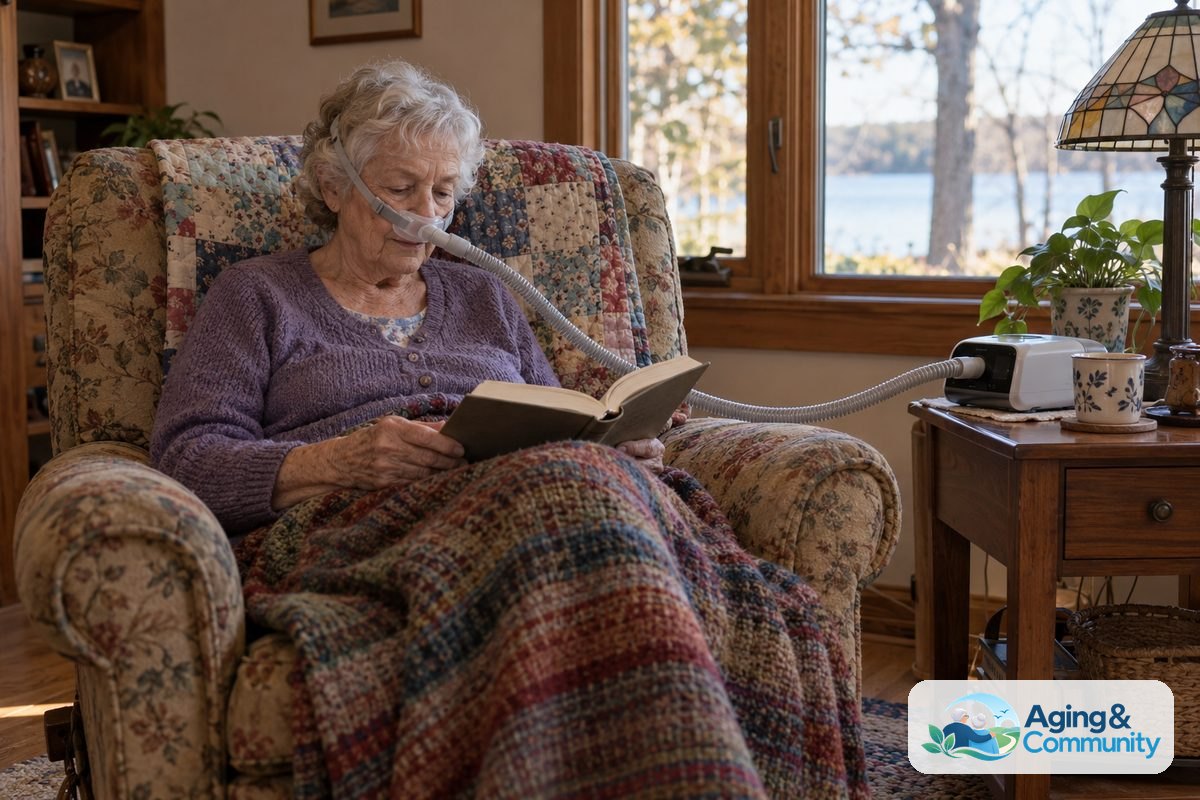
When you start therapy, you might wonder how to choose cpap pressure on your own. It is important to know that primary pressure levels must always be set by your doctor or equipment supplier. Air pressure is measured in centimeters of water, often written as cm H2O. A sleep specialist calculates the exact force needed to hold your airway gently open through the night.
Changing your prescribed pressure without guidance can lead to uncomfortable swallowing of air, dry throat, or restless sleep. If you ever feel like you are fighting against the incoming air, or if you feel like you are not getting enough breath, reach out to your care team. They can remotely adjust the machine or schedule a review of your sleep data to set a new pressure range.
Understanding your prescription is just one step in setting up your bedroom for success. If you are preparing your home for long-term comfort and independence, the aging in place guidance from the National Institute on Aging offers helpful ideas for creating a safe, relaxing nighttime space.
Using the Ramp Feature for Easy Breathing
One of the most helpful comfort settings on modern machines is the ramp feature. When you first lie down in bed, taking in full pressure can feel overwhelming. The ramp feature starts the airflow at a very low, gentle level so you can drift off to sleep without noticing the pressure.
Over a set period, usually between five and forty-five minutes, the machine slowly increases the pressure until it reaches your prescribed level. Most people prefer a ramp time of twenty minutes, which is usually plenty of time to fall asleep. If you wake up in the middle of the night to use the bathroom, you can simply press the ramp button again to restart the gentle cycle.
Many devices also feature an auto-ramp option. This clever setting uses built-in sensors to detect the exact moment your breathing rhythm changes into sleep. Once the machine knows you are asleep, it smoothly raises the pressure to your therapeutic level without waking you.
Setting Humidity and Tube Temperature
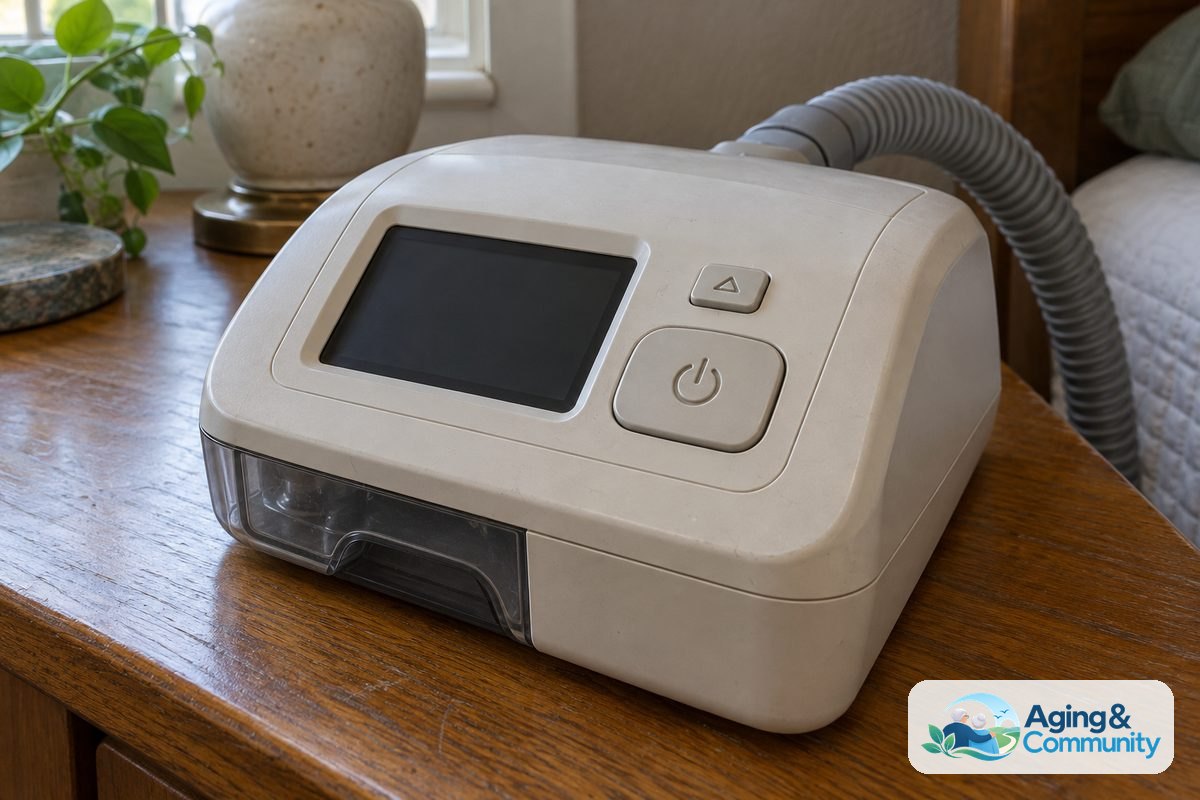
Dry air can cause nasal congestion, mouth dryness, and throat irritation. Modern devices include a heated humidifier to add soothing moisture to the air you breathe. Choosing the right humidity setting depends heavily on your local climate and the time of year.
- Low humidity (Levels 1 to 2): Helpful during warm, humid summer months or if you notice water droplets pooling inside your tubing.
- Medium humidity (Levels 3 to 4): A balanced setting that works well for most bedrooms throughout spring and autumn.
- High humidity (Levels 5 and above): Ideal for dry winter months when home heating systems dry out the indoor air.
If you wake up with moisture splashing your face, your machine may be experiencing what clinicians call rainout. This happens when warm, moist air cools down as it travels through the hose. You can solve this by turning down the humidity level slightly or using heated tubing to keep the air warm from the machine all the way to your face.
Exhalation Relief Settings
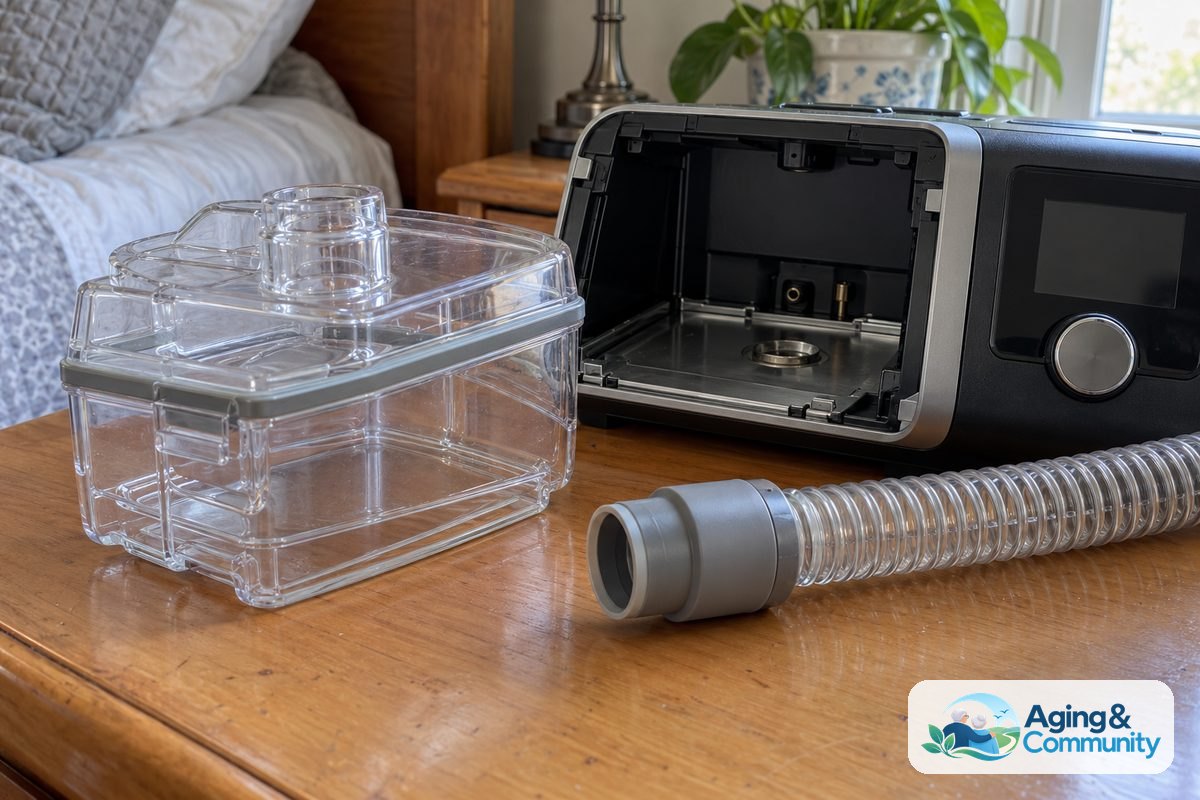
Breathing in against continuous air pressure is usually easy, but breathing out against that same steady flow can sometimes feel like blowing up a stiff balloon. To help with this, most machines offer an exhalation pressure relief setting, often labeled as EPR, Bi-Flex, or SensAwake depending on the brand.
This comfort feature slightly lowers the airflow pressure the moment you start to breathe out. As soon as you finish exhaling, the machine immediately returns to your prescribed pressure for your next inhalation. Most devices offer three levels of pressure relief, dropping the exhale resistance by one, two, or three points. Setting this feature to level two provides a very smooth, natural rhythm for most seniors.
Adjusting Mask Type and Fit Settings
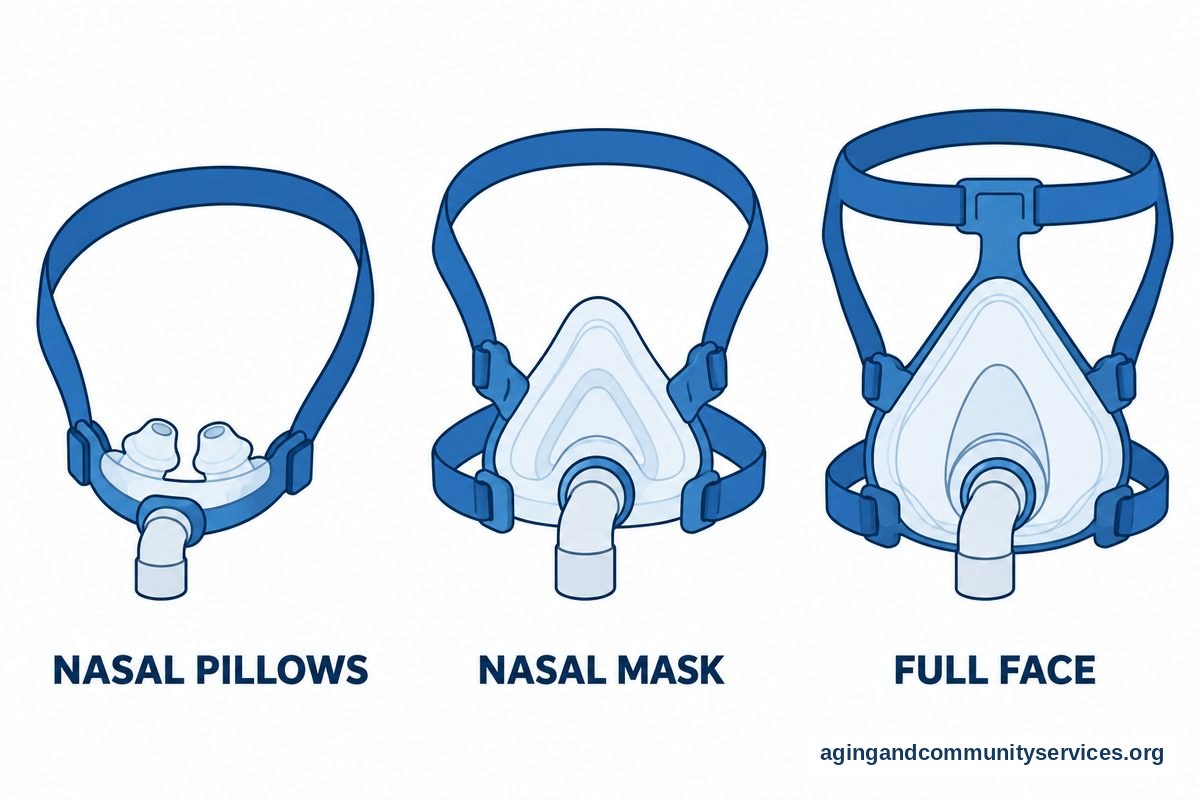
Your machine needs to know what kind of mask you wear so it can accurately calculate air volume and detect small leaks. When reviewing your settings, ensure the mask selection on your screen matches your actual gear. Most machines have three simple choices: nasal pillows, nasal mask, or full face mask.
A full face mask covers both the nose and mouth, requiring slightly different flow calculations than small silicone pillows that rest gently under the nostrils. If you need help picking out the right style of equipment, learning how to choose a cpap machine and mask can make a big difference in your nightly comfort.
Once your machine knows your mask style, you can use the built-in mask fit tool. This setting runs the air at full treatment pressure for a few seconds while you adjust the headgear straps. Look for a happy face icon or green ring on the screen, which confirms your seal is secure without having to pull the straps uncomfortably tight.
What to Do Next
Getting used to your nighttime routine takes a little patience, but taking practical steps during the day can make your nights much more restful. Here are helpful, non-medical actions you can take this week:
- Check your machine menu: Spend five minutes during daytime hours exploring your screen to locate the ramp, humidity, and comfort settings without the pressure of trying to sleep.
- Practice during the day: Sit in a comfortable chair and review how to use cpap machine features for twenty minutes while reading a book or watching television to get used to the airflow.
- Check your mask position: Review our guide on how to use cpap mask fittings in front of a mirror so you know how to adjust your headgear evenly without over-tightening.
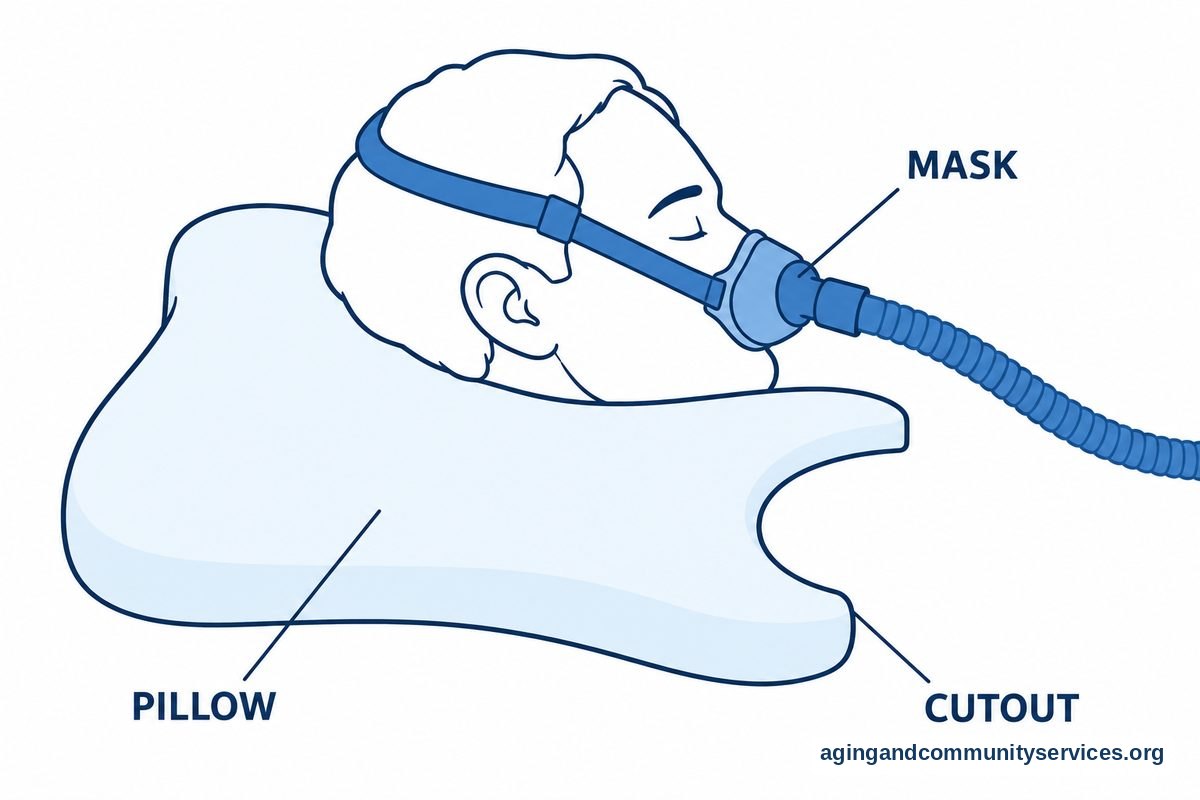
- Arrange your pillows: If your mask bumps against your bedding when you turn on your side, learning how to use cpap pillow cutouts can help keep your seal airtight.
- Keep a bedside log: Write down your comfort settings each morning alongside a quick note about how your nose, throat, and sleep felt during the night.
Frequently Asked Questions
How do I know if my CPAP pressure is set too low?
If your pressure is set lower than what your body needs, you may wake up frequently gasping for air, snoring loudly, or feeling unrefreshed in the morning. You might also wake up with a dry mouth from trying to breathe through your lips. If you notice these signs, contact your sleep clinic so they can review your machine data and evaluate your pressure prescription.
What should I do if my CPAP pressure feels too strong?
Air pressure often feels strongest right when you turn the machine on while fully awake. Make sure your ramp feature is turned on so the airflow starts low and builds slowly over twenty to thirty minutes. You can also turn on exhalation pressure relief, which reduces the resistance you feel when breathing out. If the pressure still feels like too much, talk with your doctor about adjusting your therapeutic range.
Can I change my CPAP pressure by myself?
You should never change your prescribed therapy pressure without direct instructions from your healthcare team. The pressure level is a medical prescription calculated to support your specific airway needs safely. However, you can freely change your comfort settings, such as humidity, tube temperature, ramp duration, and exhalation relief, until you find what feels best.
How does an automatic CPAP machine choose pressure?
An automatic machine, often called an APAP, uses internal sensors to monitor your breathing pattern on a breath-by-breath basis. Your doctor sets a safe minimum and maximum pressure range. As you sleep, the machine detects small changes in your airway resistance and raises the pressure only when needed, gently lowering it again when your breathing stays clear and steady.
Will my insurance help pay for adjustments and replacement supplies?
Most health plans provide coverage for regular equipment updates, replacement filters, tubing, and mask cushions when you meet basic usage requirements. If you have questions about what your benefits cover, reading about whether does medicare cover cpap machines can help clarify the rules and replacement schedules for older adults.