

Learning how to use a CPAP mask correctly takes a little patience, practice, and the right routine. You simply place the mask over your nose or mouth, gently pull the headgear into position, and make small strap adjustments while your therapy air runs. Taking your time each evening helps you get a secure seal without feeling pinched or sore.
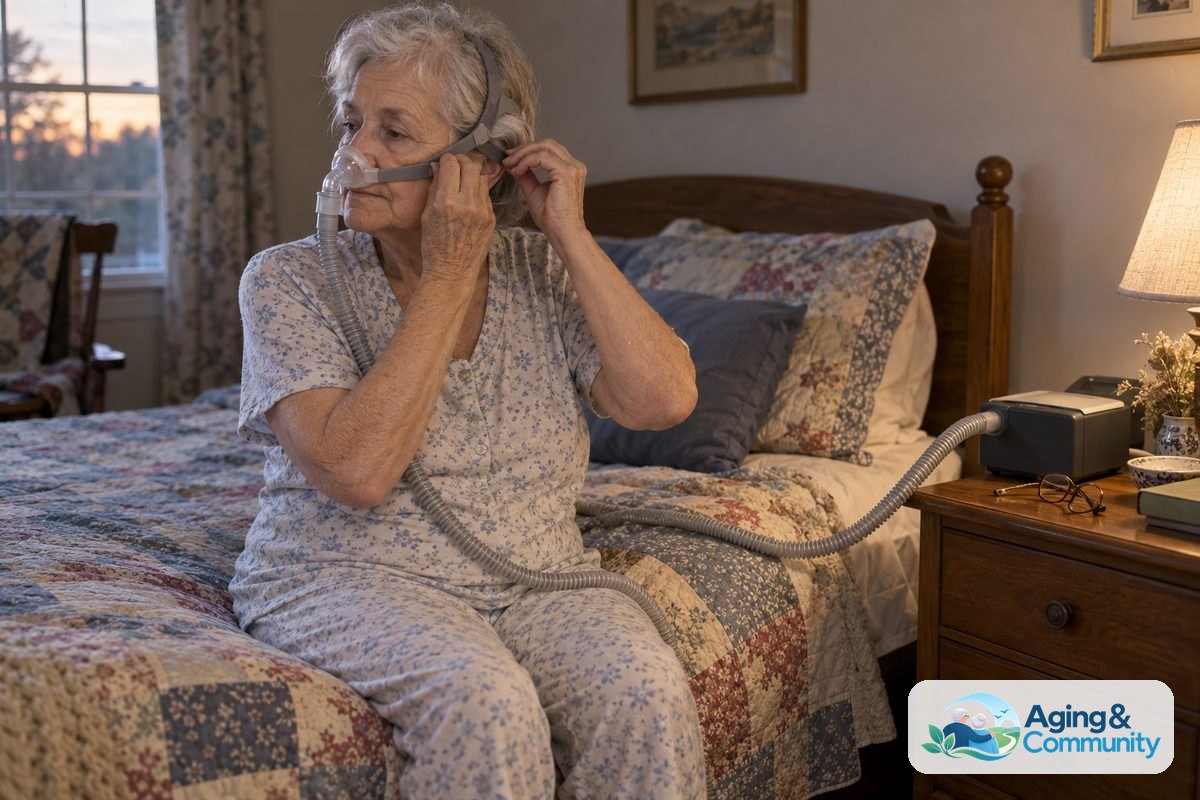
How to Put On and Adjust Your CPAP Mask
- Check your skin and mask cushion first. Wash your face with warm water and mild soap to remove facial oils, and make sure your mask cushion is clean and dry before bedtime.
- Place the mask against your face gently. Hold the cushion over your nose or mouth while sitting upright in bed, keeping the straps loose so the cushion sits naturally against your skin.
- Pull the headgear over the back of your head. Slide the headgear straps over your crown and behind your neck, checking that the fabric bands lie flat without twisting.
- Connect the tubing and start your airflow. Attach your flexible hose to your mask swivel and turn on your device, referring to simple tips on how to use cpap machine systems if you need a quick reminder on button settings.
- Fasten the side straps evenly. Pull the top and bottom straps at the same time until the mask feels snug, avoiding the urge to pull too hard against your skin.
- Lie down in your usual sleeping position. Rest your head on your pillow and make tiny adjustments to the straps, since your facial muscles shift when you lie flat.
- Check for steady air seals around the edges. Feel around the sides of your nose, cheeks, and chin for escaping air, lifting the cushion slightly away from your face to let it reseat if you feel a breeze.
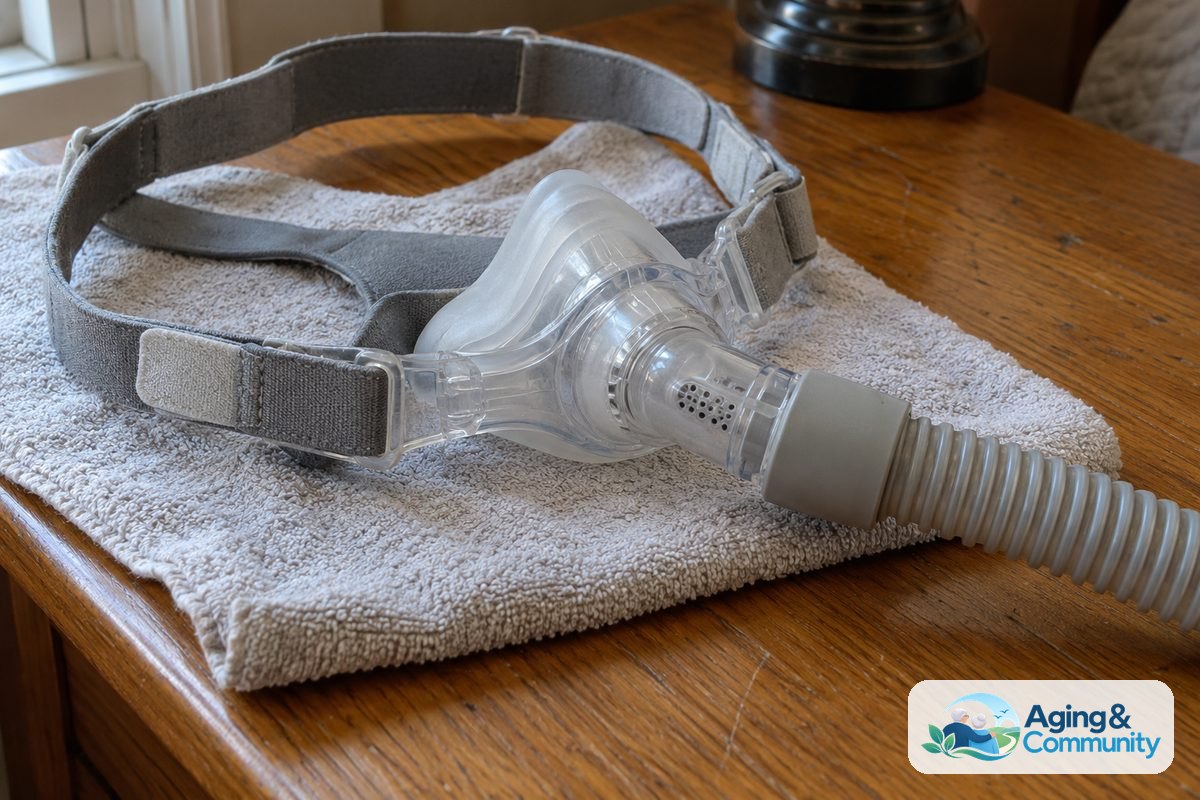
Common Mistakes to Avoid
- Overtightening the headgear straps: Pulling straps too tight can squash the soft silicone seal, cause deep red marks on your cheeks, and actually create new air leaks.
- Putting the mask on with heavy creams: Applying thick facial moisturizers right before bed makes the cushion slip around and breaks the seal during the night.
- Adjusting the fit while sitting up only: Your facial contours change when you lie back on your pillow, so always do your final strap checks while lying in your real sleeping posture.
- Ignoring dirty cushions and headgear: Skin oils and dust collect on soft silicone quickly, which weakens the grip and causes you to overtighten straps unnecessarily.
- Tucking the hose under heavy blankets: Trapping the flexible tubing limits your movement and can pull the cushion away from your face when you turn over.
When to Ask for Professional Guidance
It is normal to need a week or two to get used to new nighttime equipment, much like adjusting to covered trapeze bar equipment at home. However, persistent skin irritation, open sores on the bridge of your nose, or air blowing directly into your eyes mean something needs a professional review. You should never feel that you have to struggle in silence with an uncomfortable fit.
Reach out to your medical equipment supplier, respiratory therapist, or sleep doctor. Tell them the exact spots where air escapes, whether you wake up with dry mouth, and if you notice tender pressure marks that linger past breakfast. A respiratory therapist can check your cushion sizing, swap your cushion style, or suggest gentle comfort accessories like soft strap covers. If daytime fatigue makes home tasks tricky, local programs accessed through the Eldercare Locator can help older adults find helpful community resources.
How to Use CPAP Nasal Pillows and Nasal Masks
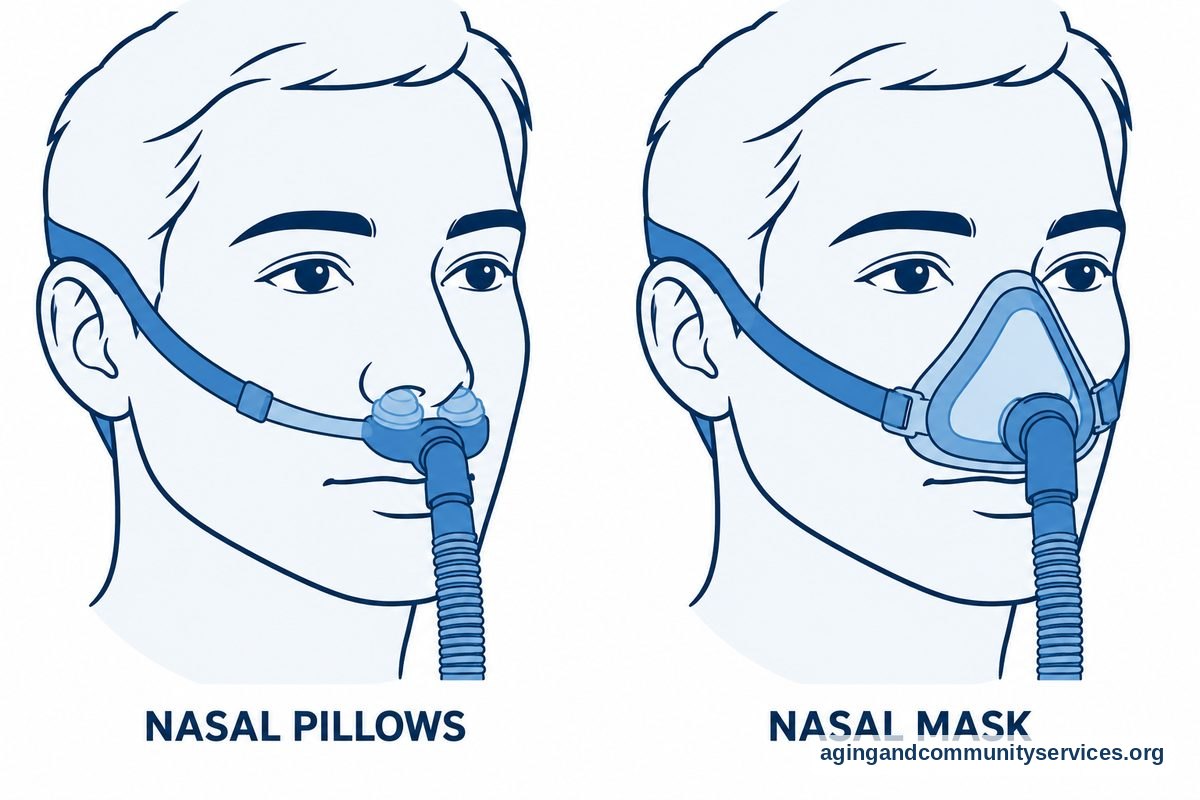
Many people prefer smaller headgear designs because they leave the line of sight open for evening reading or television. Knowing how to use CPAP nasal pillows starts with understanding how the small cones fit. These soft silicone cones rest right at the opening of your nostrils rather than covering the whole nose. You insert the cones gently into the nostril base, loop the headgear behind your head, and adjust the band just enough to keep the pillows resting upright without pushing upward into your nose.
If you prefer standard coverage over the nose, learning how to use a CPAP nasal mask is just as simple. Place the triangular cushion over your nasal bridge and down to the space above your upper lip. Tighten the top straps first to steady the mask, then fasten the lower straps around the base of your skull. When shopping for replacements, reviewing guidance on how to choose a cpap machine and mask can help you compare cushion sizes and shapes for your unique facial structure.
How to Use CPAP Chin Strap Support
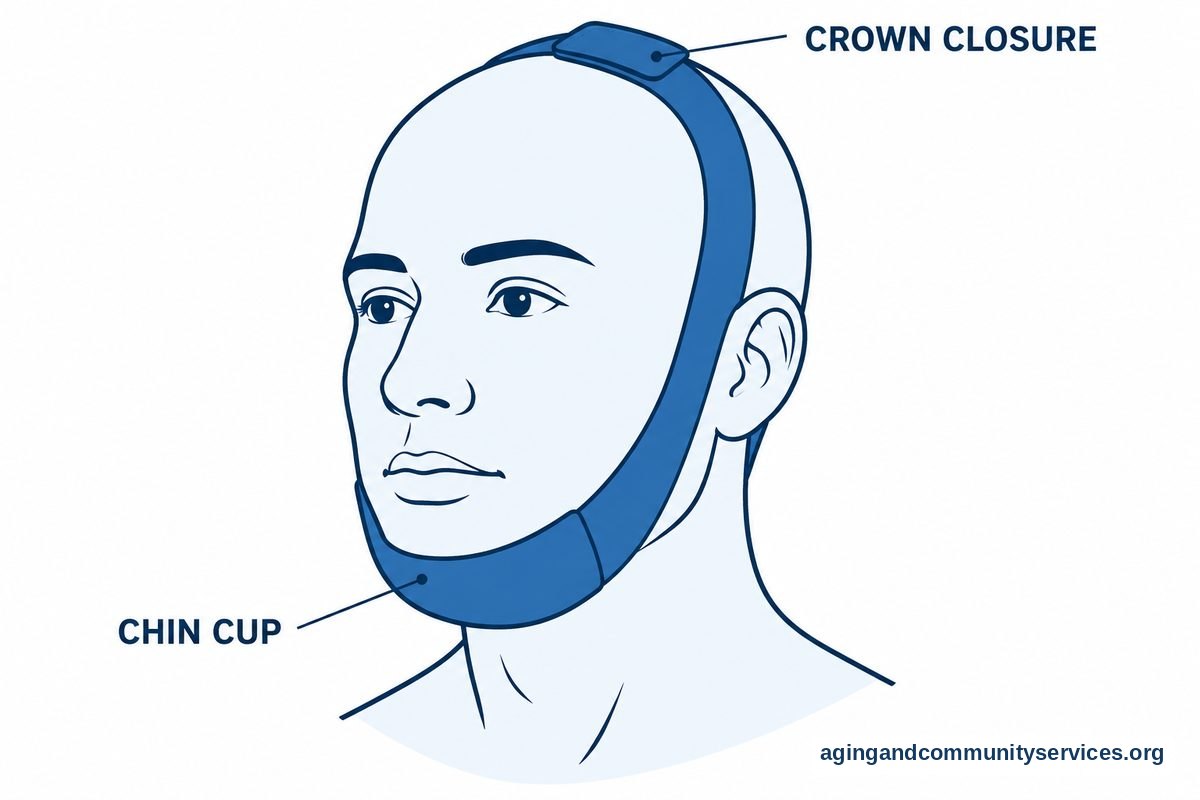
If you use a nasal cushion or nasal pillows, you must breathe through your nose all night. Some people find that their jaw drops open during deeper sleep stages, which lets air escape from the mouth and leads to dry throat. Learning how to use CPAP chin strap accessories can help keep your mouth closed naturally without forcing your jaw shut tight.
To put on a chin strap, place the cup of the strap under your chin first. Pull the fabric straps straight up along the sides of your jawline to the top of your head, fastening the hook-and-loop closure near your crown. Put the chin strap on before you put on your CPAP mask headgear so the mask straps stay stable on the outside. The chin strap should feel like a gentle sling supporting your lower jaw, never like a tight clamp on your teeth.
Simple Daily Care and Nighttime Safety
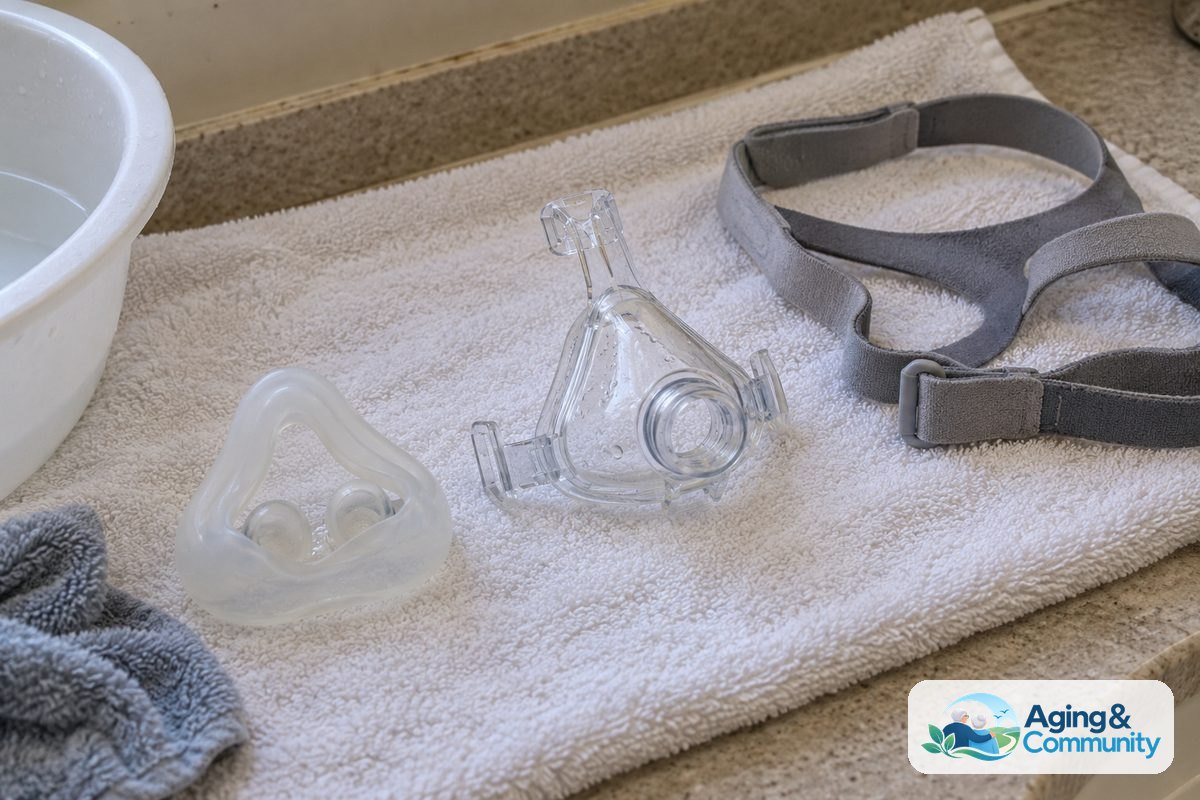
Keeping your gear clean is essential for a steady seal. Wipe your cushion every morning with a damp cloth or specialized mask wipe to clear away skin oils. Once a week, wash your cushion, frame, and headgear in warm water with mild, unscented dish soap, then let them air-dry away from direct sunlight.
Keeping bedroom pathways clear also helps you move safely during nighttime bathroom trips. Managing cords and hose lines neatly supports healthy daily routines, much like learning how to use a quad cane safely, or following the home safety guidance shared by the National Institute on Aging: Falls and Falls Prevention page. Route your CPAP hose so it does not dangle across walking paths or catch on nightstand corners when you get out of bed.
Frequently Asked Questions
How do I know if I am using my CPAP mask correctly?
You are using your mask correctly when the cushion rests softly against your skin without pinching, air does not blow into your eyes, and your machine reports low leak rates. The cushion should gently inflate against your face as the air pressure turns on. You should be able to breathe comfortably without clenching your jaw or overtightening the headgear straps.
How to use CPAP nasal mask styles if I sleep on my side?
Side sleepers can use nasal masks easily by choosing a low-profile frame or a cushion with soft fabric wraps over the plastic cheeks. When you lie on your side, position your face near the edge of your pillow so the cushion hangs slightly off the edge. This prevents the pillow from pressing the cushion sideways and breaking your seal.
What should I do if my CPAP mask leaks around my eyes?
Air blowing toward your eyes usually means the top straps are either too loose or pulled far too tight. Gently lift the mask an inch off your face while the machine runs, let the cushion fill with air, and set it back down evenly on the bridge of your nose. If you deal with seasonal stuffiness that affects your mask seal, reading about how to use cpap when congested can provide safe ways to clear your airway.
Why does my CPAP chin strap slip off during the night?
A chin strap usually slips if it is placed too far back toward the neck rather than pulling straight upward toward the crown of your head. Make sure the main support strap sits right at the top of your head. You can also look for chin straps with dual bands, where one strap cradles the back of your head while the other pulls up under your chin.
How tight should my CPAP mask straps feel?
Your mask straps should feel snug enough to hold the cushion in place, but loose enough that you can easily slide two fingers between the strap and your cheek. Modern cushions use air pressure to puff up like a tiny balloon against your face. If you pull the straps too tight, you flatten that cushion balloon and cause air to escape.