

A fall prevention blow up pad for seniors is usually an inflatable cushion, floor pad, or bedside mat meant to soften the area where a person may step, sit, or land. It is not a medical device that can stop every fall, but it may be one part of a safer home setup when chosen and placed with care.
These pads are most often considered for bedrooms, beside favorite chairs, or other spots where getting up and down is harder. The right choice depends on the person’s balance, mobility, floor surface, and daily routine, so it is wise to ask a doctor, physical therapist, or occupational therapist for guidance if falls are a concern.
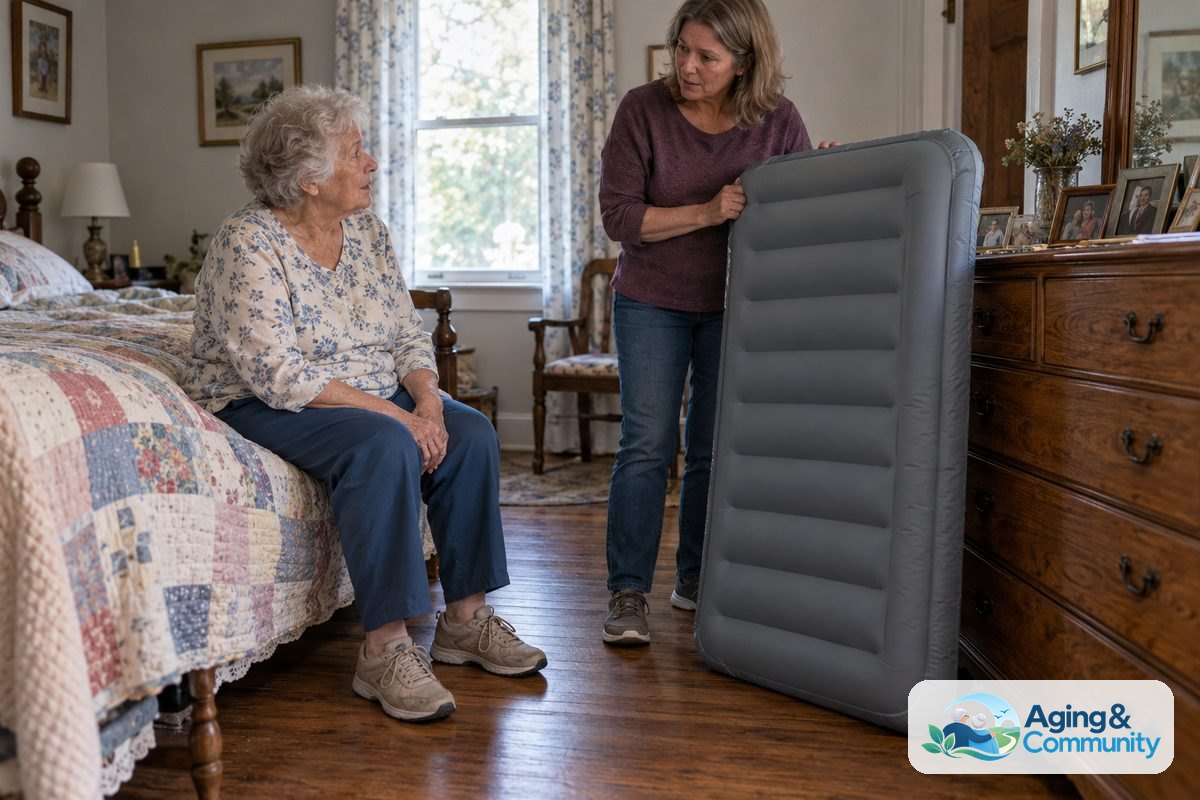
What A Blow Up Pad Is, And What It Is Not
A blow up pad is an inflatable surface filled with air. Some are made for use beside a bed. Others are more like cushions or mats that can be moved from room to room. The goal is usually to add padding where a hard floor may be a problem.
It is important to be clear about limits. A pad does not keep someone from losing balance. It also does not replace good lighting, sturdy shoes, handrails, grab bars, or a review of medicines and vision. The National Institute on Aging explains that several home and health steps can lower the risk of falls when used together.
Inflatable pads can also create a new tripping point if they are too thick, loose, curled, or placed in a walking path. For that reason, they should be used only where they make sense, not spread across busy areas of the home.
Common Types Of Blow Up Pads And Bedside Mats
People often use the phrase blow up pad in different ways. Before buying, look closely at what the product is meant to do and where it is meant to be used.
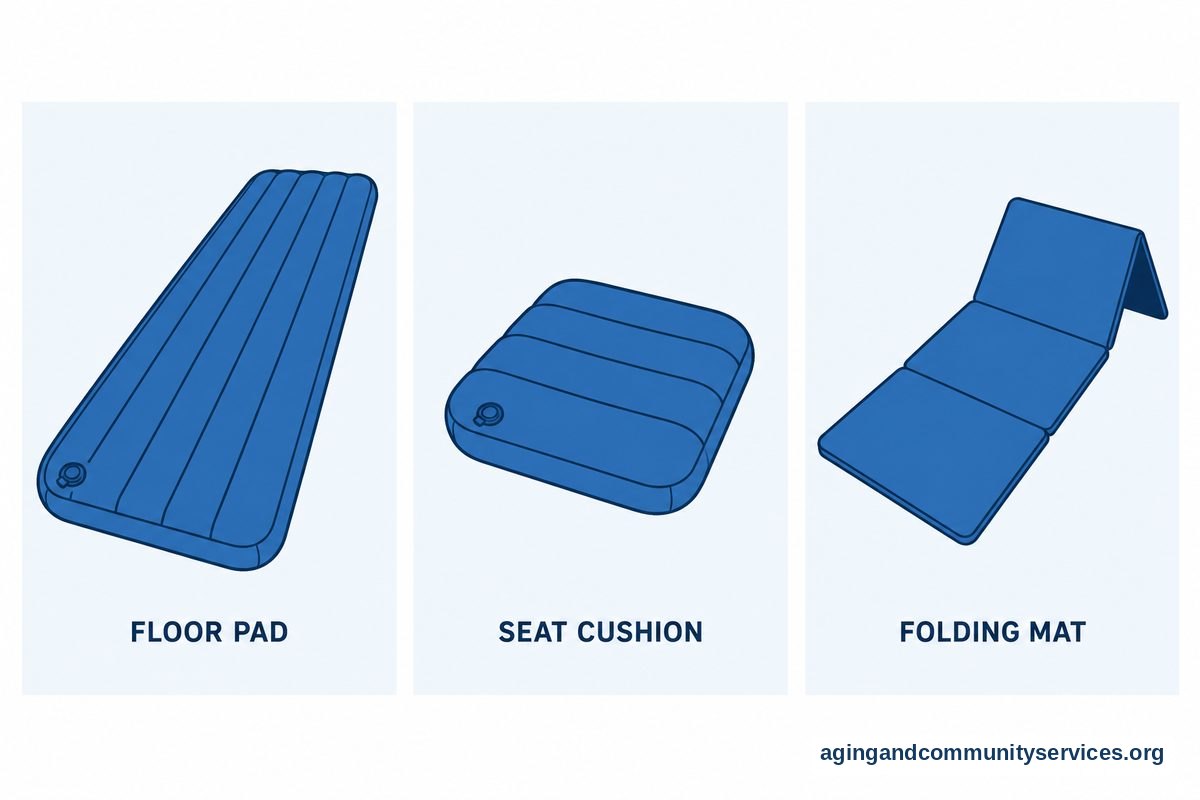
- Inflatable bedside floor pad: This sits on the floor next to a bed and adds a softer surface near the spot where a person gets in or out.
- Inflatable cushion: This may be used on a chair or wheelchair seat, depending on the product directions. It is not the same as a floor mat.
- Foldable padded mat: This may not inflate, but many families compare it with air-filled options because it is used beside a bed.
- Sensor pad: Some pads are paired with an alert system. These are meant to notify a caregiver when weight is placed on the pad, not to stop a fall.
If the main concern is getting out of bed, compare inflatable options with bedside fall mats that are made for floor use. A non-inflatable mat may be simpler for some homes because it does not need air checks, pumps, or valve care.
Where A Pad May Help In The Home
The bedroom is the most common place families think about using a blow up pad. It may be placed on the side of the bed where the person usually stands. It should lie flat and should not block a walker, cane, commode, or clear path to the bathroom.
A pad may also be considered near a favorite chair if the person often slides forward or has trouble standing. In that case, it is worth asking an occupational therapist to look at chair height, armrests, lighting, and the walking path. Sometimes a better chair setup is more useful than adding padding to the floor.
Bathrooms are usually not a good match for inflatable pads unless the product is clearly made for that setting. Water, slick flooring, and tight spaces can make loose items risky. For bathrooms, it is often better to focus on grab bars, non-slip surfaces, clear lighting, and safe transfer space.
A room-by-room look can help you decide where padding fits and where other changes matter more. A guide to preventing falls at home can help families notice small hazards in bedrooms, halls, bathrooms, kitchens, and living rooms.
Features To Check Before Choosing One
Not every inflatable pad is suitable for every person. Read the product directions and look for clear information about size, thickness, weight limit, surface material, and cleaning. If the directions are vague, that is a good reason to keep looking.
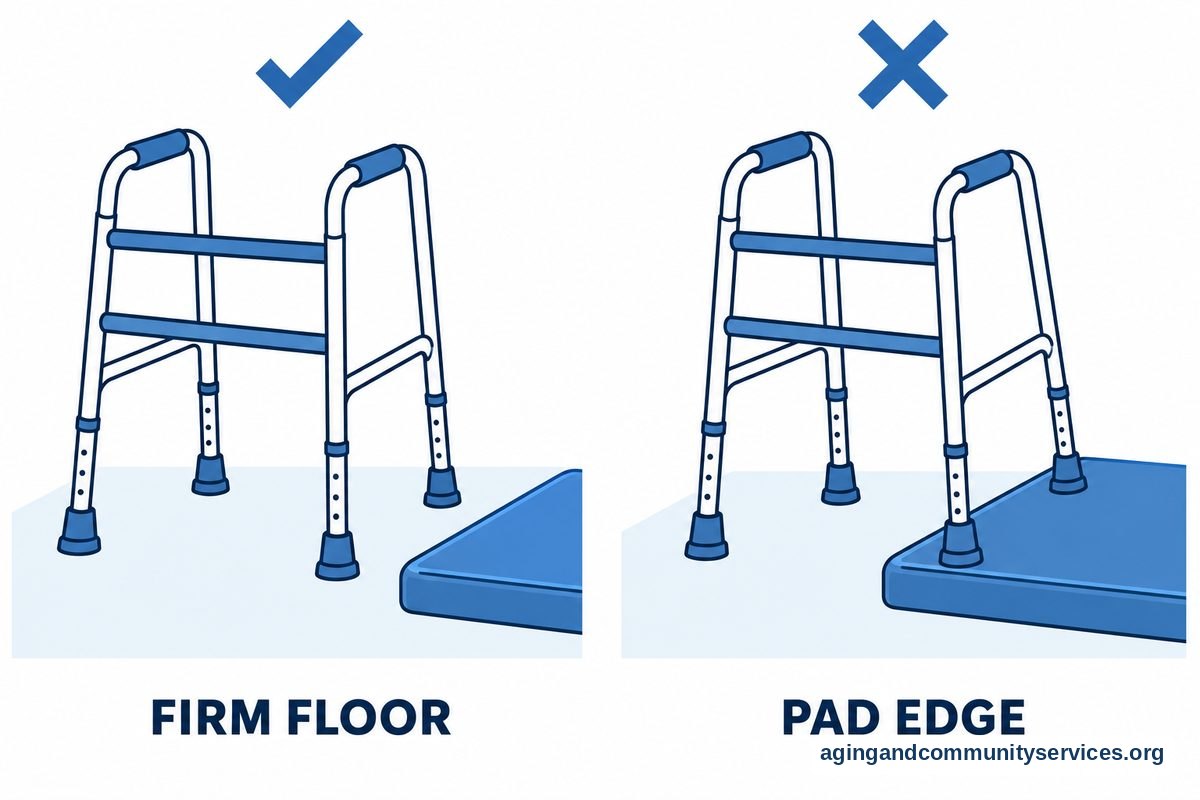
Size matters. A pad should cover the area where the person is likely to step or sit, but it should not cover so much floor that it blocks normal walking. If a walker is used, there must be enough firm floor space for all walker legs to sit evenly.
Thickness also matters. A thicker pad may feel softer, but it may be harder to step onto or over. A very soft air pad may shift underfoot. For someone with balance trouble, that movement can be uncomfortable or unsafe.
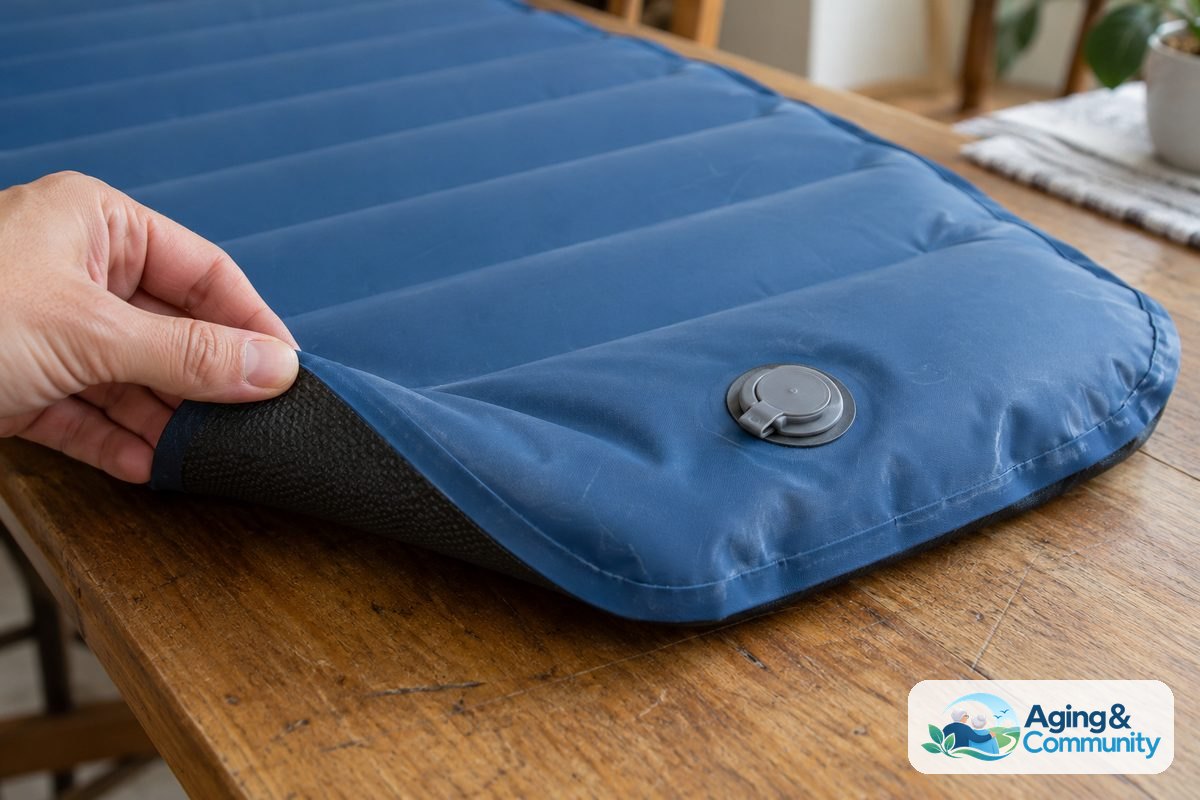
Look at the bottom surface. A pad that slides on tile, wood, or low-pile carpet can cause problems. Some pads have non-slip backing, but it still helps to check the fit on your own floor and to follow the maker’s directions.
Cleaning is another practical point. Spills, dust, and skin oils can make surfaces slick or unpleasant. Choose a pad that can be wiped clean and dried well. If the pad has seams or folds, check whether they collect dirt or moisture.
Safety Questions To Ask Before Using A Blow Up Pad
Before placing a pad, watch the person’s normal routine. How do they get out of bed? Which foot touches the floor first? Do they pause before standing? Do they reach for furniture instead of a stable support?
These details matter because a pad in the wrong place can get in the way. A pad should not become something the person has to climb over. It should not cover cords, hide uneven flooring, or bunch under furniture.
Ask these questions before using it every day:
- Does the pad stay flat when stepped on?
- Can the person use a cane or walker without the pad shifting?
- Is the pad easy to see in normal lighting?
- Does it leave a clear path to the bathroom?
- Can a caregiver move or clean it without strain?
- Does the person feel steady around it?
If the answer to any question is no, pause and get advice. A physical therapist or occupational therapist can suggest changes based on the person’s movement, strength, balance, and home layout.
How It Fits With A Wider Fall Safety Plan
A blow up pad is only one tool. A wider plan may include home changes, daily habits, and support from health professionals. The National Council on Aging notes that falls risk can be lowered through steps such as exercise, medication review, vision checks, and home safety changes.
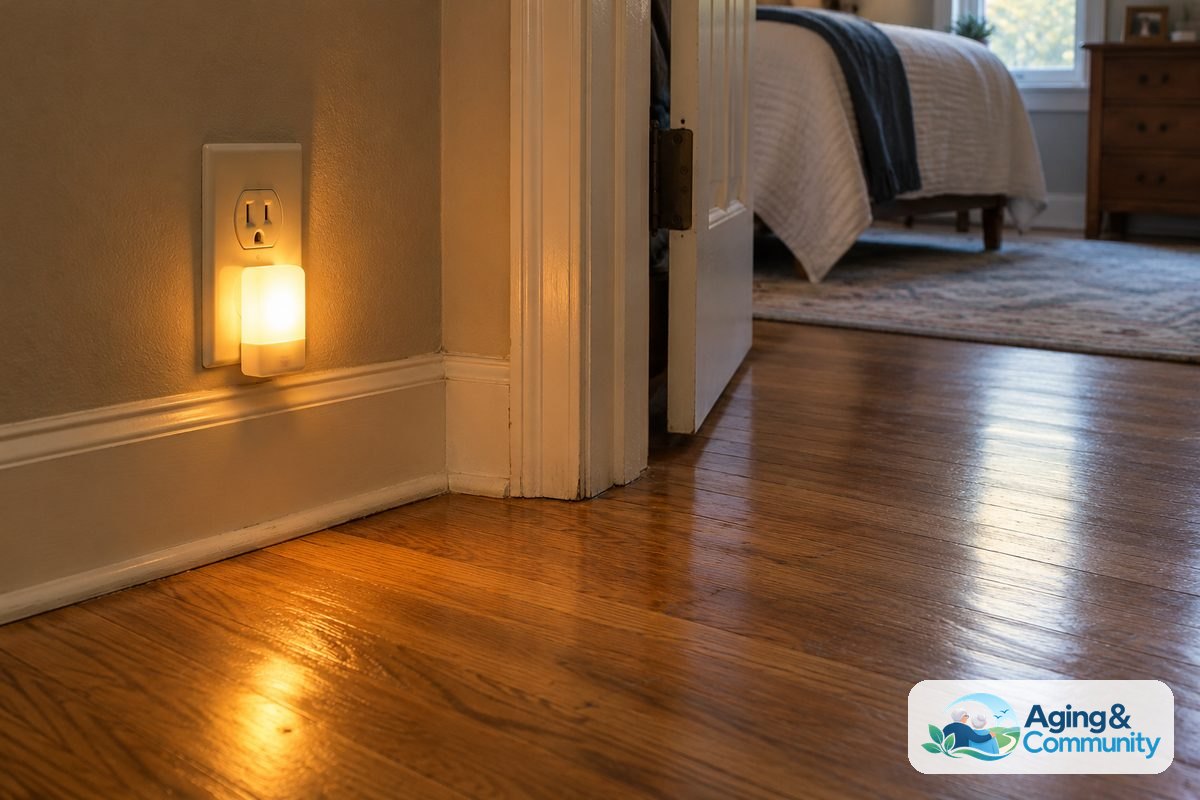
At home, start with simple fixes. Remove loose throw rugs or secure them well. Keep cords out of walkways. Use night lights between the bed and bathroom. Store daily items where they can be reached without a step stool.
Footwear can also matter. Shoes or slippers should fit well and have a sole that grips the floor. Socks alone may be slippery on smooth surfaces. If foot pain, numbness, or swelling affects walking, ask a health professional what type of support may be helpful.
Some families also consider alert tools, especially when a loved one spends time alone. These do not stop a fall, but they may help someone call for help. A guide to fall alert devices can help explain common options and limits.
If you are building a more complete setup, review home fall safety products as a group. That can make it easier to choose items that work together instead of adding too many things to the floor.
What The Reader Can Do Next
Start with the exact spot that worries you most. Is it beside the bed, near a recliner, in the hallway, or on the way to the bathroom? Fixing one area at a time is easier than trying to change the whole home in one day.
- Watch the routine: Notice when balance looks hardest, such as standing up, turning, reaching, or walking in dim light.
- Clear the path: Move cords, clutter, loose rugs, pet bowls, and low furniture out of walking areas.
- Improve lighting: Add easy-to-reach lamps or night lights, especially between the bed and bathroom.
- Measure the space: Check the floor area before choosing any pad, mat, or cushion.
- Ask for guidance: Talk with a doctor, physical therapist, or occupational therapist if falls, near falls, dizziness, weakness, or walking changes are happening.
- Check often: If you use an inflatable pad, look for air loss, slipping, damage, or curled edges as part of the daily routine.
Keep the person involved in the choice when possible. Comfort, dignity, and ease of use matter. A product that feels awkward or embarrassing may sit unused, while a simple change that fits daily life may be easier to keep.
Frequently Asked Questions
What Is A Fall Prevention Blow Up Pad For Seniors?
It is usually an inflatable pad, mat, or cushion used near a bed, chair, or other high-use area. It is meant to add padding or support, depending on the product design. It does not replace medical advice, safe footwear, clear walkways, or proper support when standing and walking.
Can A Blow Up Pad Stop Someone From Falling?
No product can promise that. A blow up pad may soften a floor area or make a setup feel more comfortable, but it does not control balance, dizziness, strength, or walking. If falls or near falls are happening, ask a doctor, physical therapist, or occupational therapist for a full review.
Is An Inflatable Pad Better Than A Bedside Fall Mat?
It depends on the person and the room. An inflatable pad may be lighter or easier to store, but it may need air checks and may move more underfoot. A bedside mat may feel firmer and simpler, but it still must be flat, visible, and placed out of the main walking path.
Where Should A Blow Up Pad Be Placed?
Place it only where it supports the person’s normal routine and does not create a tripping hazard. Common spots include the side of the bed or near a chair, but the pad should never block a walker, cane, commode, doorway, or bathroom path. Follow the product directions closely.
Who Should I Ask Before Buying One?
A doctor can help review health concerns that may affect balance. A physical therapist can look at strength, walking, and transfers. An occupational therapist can suggest practical home changes and help decide whether a pad, mat, grab bar, chair change, or other support makes sense.